Safaris
Safaris in Masai Mara National Reserve
Showing 1–9 of 13 safaris that visit the park.
Park guide
Masai Mara National Reserve guide
Overview
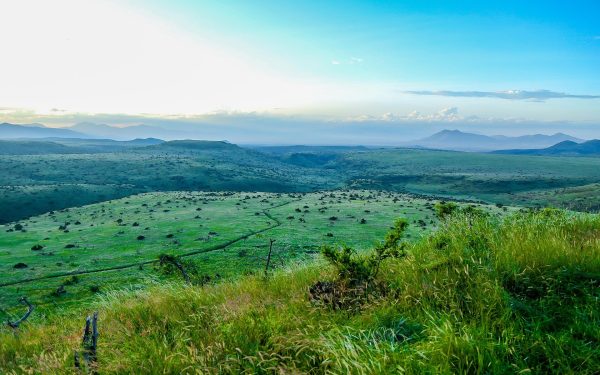
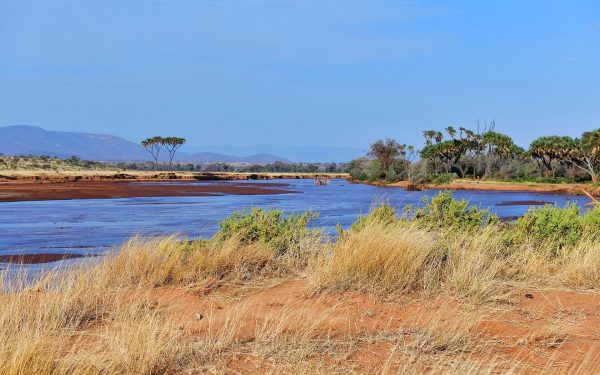
The Masai Mara is Kenya’s most celebrated wildlife area and, for many travellers, the place that first made them want to go on safari. Rolling red-oat grasslands stretch to the horizon, broken by lone acacias, riverine forest along the Mara and Talek rivers and the long wall of the Oloololo Escarpment to the west. The reserve covers about 1,510 km² of Narok County in south-western Kenya and forms the northern end of the great Mara–Serengeti ecosystem, running seamlessly into Tanzania’s Serengeti National Park.
The reserve has two parts. The larger Narok sector lies east of the Mara River and is managed by the Narok County Government. The Mara Triangle, between the river and the escarpment, is run by the not-for-profit Mara Conservancy and is known for well-kept roads, strong anti-poaching work and some of the best river-crossing points.
Around the reserve’s northern and eastern edges lie the Maasai Mara conservancies, private wildlife areas leased from Maasai landowners. They limit the number of vehicles and beds, and allow activities the reserve does not, such as walking safaris and night drives. Many of the finest luxury camps are found here, and a stay that combines a conservancy with days in the reserve gives you the best of both: exclusivity and the full drama of the open plains.
Wildlife
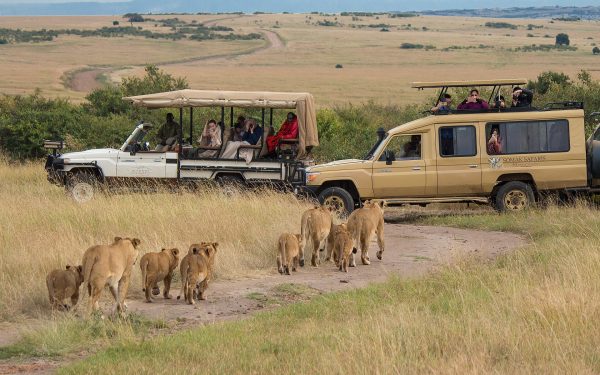
The Mara is above all big-cat country. Lion prides are large and easy to watch on the open grass, cheetah hunt in full view across the plains, and leopard are regularly seen in the riverine forest and along the Talek. The reserve is home to some of the best-studied predators in Africa, with long-running research projects monitoring its lions and cheetahs.
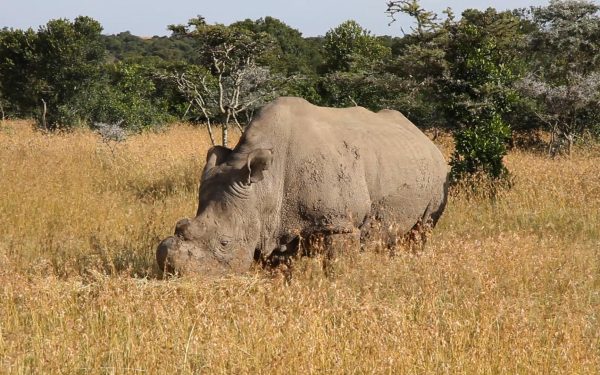
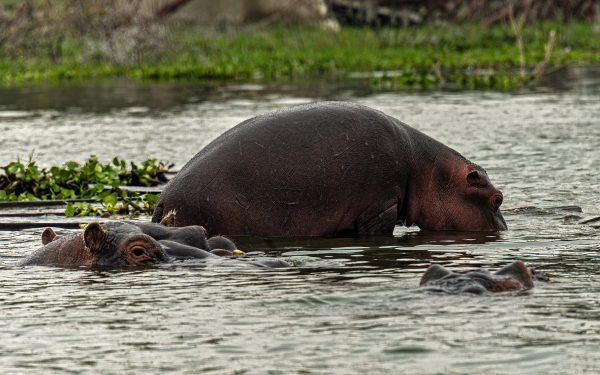
All of the Big Five are present. Elephant and buffalo are common, and the Mara is one of the few places in Kenya with an indigenous population of black rhino; the Mara Conservancy reported a stable population of around 25 to 30 in 2023. Hippo and Nile crocodile crowd the Mara River, and the plains support resident herds of topi, eland, Grant’s and Thomson’s gazelle, giraffe and zebra, as well as spotted hyena, jackal and bat-eared fox.
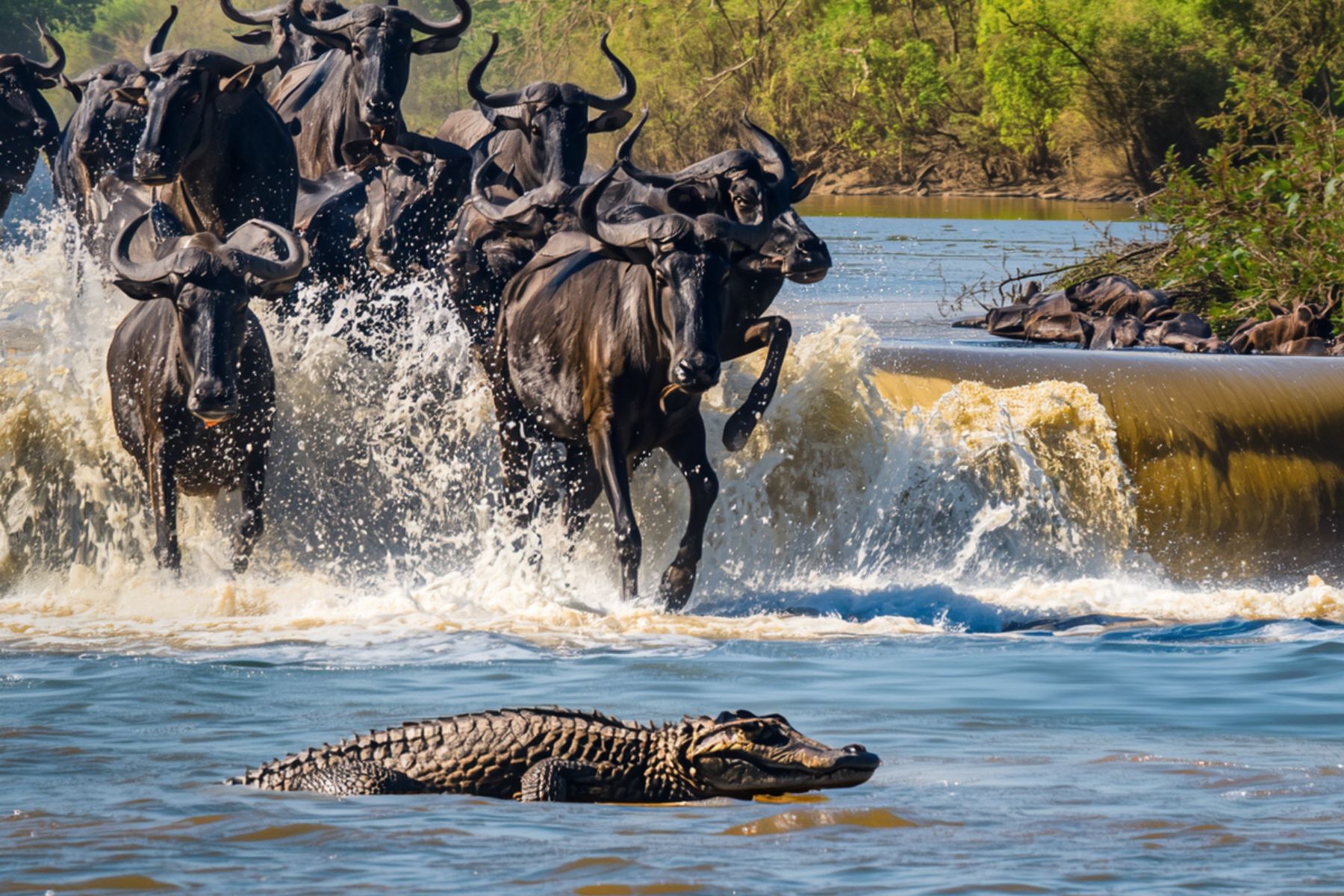
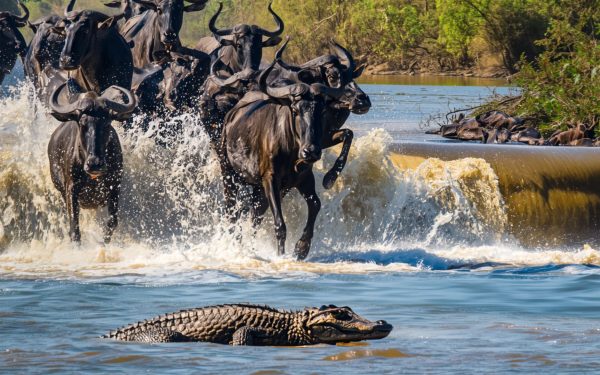
Then there is the migration. Each year, more than a million wildebeest, along with hundreds of thousands of zebra and gazelle, cross from the Serengeti into the Mara in search of fresh grazing. The Mara River crossings, with herds plunging down steep banks past waiting crocodiles, are some of the most spectacular wildlife events on the planet. They are also unpredictable: herds can gather for days before crossing, so patience and an experienced guide make all the difference.
Key wildlife
Best Time to Visit
Short answer: Jul–Oct. Also good: Dec–Mar, Jun.
Peak Good Quieter
The migration usually reaches the Mara in July and stays until around October, making these the peak months for river crossings and predator action. It is also the busiest time, when park fees are higher and popular crossing points can draw many vehicles. Staying in a conservancy, or visiting early or late in the season, helps keep the experience special.
The Mara is excellent all year, however. Its resident wildlife stays put when the herds leave, and the dry months from December to March bring superb game viewing, fewer visitors and lower park fees from January. June can be lovely too, with the grass still green and the first herds arriving towards the end of the month.
The long rains usually fall in April and May, when some camps close and tracks can become muddy. Short rains arrive in November, typically as afternoon showers that freshen the plains without disrupting much game viewing. Evenings and early mornings are cool throughout the year, as the Mara lies at around 1,500 to 2,100 m above sea level, so pack a warm layer for morning drives.
Getting There
International flights arrive at Jomo Kenyatta International Airport (NBO) in Nairobi. From Nairobi’s Wilson Airport (WIL), scheduled light-aircraft flights reach the Mara in under an hour, landing at airstrips across the reserve and conservancies, including Keekorok Airstrip (KEU), Mara Serena (MRE), Ol Kiombo and Musiara. Your camp will meet you at the strip, and the drive to camp is often your first game drive.
By road, the drive from Nairobi takes most of a day via Narok, with the last stretch on rougher roads to the gates, the most commonly used being Sekenani and Talek. The Mara also combines easily with other Kenyan parks by air, such as Amboseli for elephants beneath Kilimanjaro or the Laikipia Plateau for rhino and wild dog.
Light-aircraft luggage limits are strict, usually around 15 kg per person in soft-sided bags, and road departures from the reserve should be timed carefully, as leaving after 10:00 can mean paying for an extra day’s entry.
Fees & Access
Entrance fees
Entry fees are set by Narok County and charged per person for a 12-hour ticket (06:00 to 18:00). Non-resident adults pay US$200 from 1 July to 31 December and US$100 from 1 January to 30 June. Children aged 9–17 pay US$50, and children aged 8 and under enter free. Vehicle entry is charged separately.
Guests leaving by road should exit the reserve by 10:00, and those flying out should be at the airstrip by 10:00, or an extra day’s fee applies. The Mara Triangle accepts card or M-Pesa only, with no cash. Conservancy fees are separate and usually included in your camp rate.
Gate hours
Tickets are valid 06:00–18:00 (12 hours).
Health
Malaria risk: Moderate. Ask a travel clinic about antimalarials before you go.
Fees and gate times change. Check the latest rates with the park authority before you travel.
Things to Do
Game drives in open or pop-top vehicles are the heart of a Mara safari. Full-day drives with a picnic lunch let you follow the herds to the river and wait for a crossing without rushing back to camp.
Hot-air balloon flights take off at dawn over the plains, ending with a champagne breakfast in the bush. It is the classic Mara splurge and best booked in advance for the migration months.
Walking safaris and night drives are offered in the private conservancies, where Maasai guides share their knowledge of tracks, plants and the smaller creatures you miss from a vehicle. After dark, a spotlight may reveal aardvark, serval, genet or a hunting lion.
Maasai cultural visits give a respectful introduction to the community that has shared this land with wildlife for centuries, and many conservancy camps support local schools, clinics and conservation projects you can visit.
We do not yet list a Masai Mara itinerary, but it is one of the easiest places to build a safari around. Combine it with the Serengeti for the full migration story, browse our safaris for inspiration, or plan your safari with us.
Location
Where is Masai Mara National Reserve?
Good to know
Masai Mara National Reserve FAQs
When is the best time to visit the Masai Mara?
July to October is peak season, when the migration is in the Mara and river crossings are most likely. December to March is also excellent, with dry weather, strong resident game, fewer vehicles and lower park fees from January. The long rains usually fall in April and May.
How much is the Masai Mara entry fee?
Non-resident adults pay US$200 per person for a 12-hour ticket from 1 July to 31 December, and US$100 from 1 January to 30 June. Children aged 9–17 pay US$50, and children aged 8 and under are free. Fees are set by Narok County; check the latest rates before you travel.
What is the difference between the Masai Mara reserve and the conservancies?
The national reserve is open to all visitors and is where most river crossings happen. The private conservancies around it limit vehicles and beds, and allow walking safaris, night drives and off-road driving, which the reserve does not. Many travellers combine both.
How do you get to the Masai Mara?
Most visitors fly by light aircraft from Nairobi’s Wilson Airport (WIL) to one of the Mara airstrips, such as Keekorok (KEU) or Mara Serena (MRE), in under an hour. The drive from Nairobi via Narok takes most of a day.
Can you see the Big Five in the Masai Mara?
Yes. Lion, leopard, elephant and buffalo are seen often, and the Mara has a small indigenous population of black rhino, though rhino sightings take some luck.
Is the Masai Mara a malaria area?
Yes. The Mara has a moderate malaria risk. Ask a travel clinic about antimalarials before you go, and use repellent in the evenings.
Keep exploring
More parks in Kenya
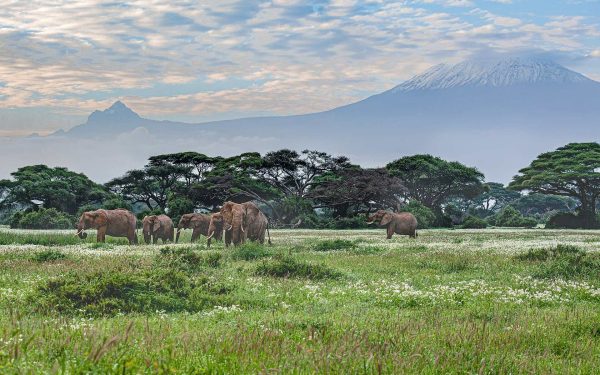 National Park
Amboseli National Park
Kenya's iconic park offering unrivalled views of Mount Kilimanjaro as a backdrop to large elephant herds.
Explore park →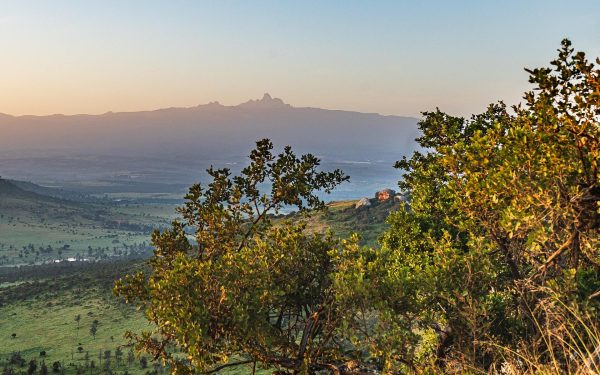 Conservation AreaBig Five
Laikipia Plateau
Kenya's wildlife heartland — a vast mosaic of private ranches and conservancies supporting more wildlife than any other…
Explore park →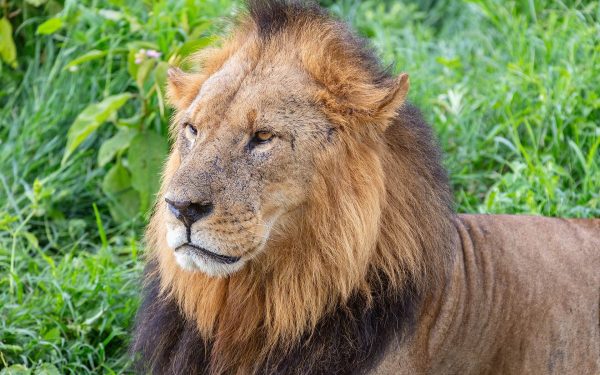 National Park
Lake Nakuru National Park
A compact Kenyan park famous for its flamingo-lined alkaline lake and excellent rhino conservation.
Explore park →Begin your journey
Ready to experience Masai Mara National Reserve?
Tell us when you want to travel and what you want to see, and we will match you with the right safari.
Plan your safari