
Safaris
Safaris in Sabi Sand Game Reserve
1 safari that visits the park.
Park guide
Sabi Sand Game Reserve guide
Overview
The Sabi Sand Game Reserve is South Africa’s most celebrated private reserve, and for many travellers it is the benchmark for a luxury Big Five safari. Covering around 650 km² on the south-western edge of the Kruger National Park, it was formally established in 1948, when neighbouring landowners joined forces to manage the land as a single conservation area. It is often described as one of the oldest private reserves in the country.
There is no fence between the Sabi Sand and Kruger, so wildlife moves freely across the boundary through the wider Greater Kruger ecosystem. The reserve takes its name from the two rivers that define it: the Sabie River along its southern boundary and the Sand River, which flows through its heart and provides a lifeline for wildlife in the dry season.
What sets the Sabi Sand apart is the quality of the experience. Lodges here range from intimate bush camps to some of the most acclaimed safari properties in Africa, and access is limited to guests staying in the reserve. Game drives are led by experienced guides and trackers, vehicles can usually go off-road to follow animals, and sightings are shared between a small number of vehicles, so encounters feel personal rather than crowded. Neighbouring MalaMala Game Reserve shares the same unfenced landscape.
Wildlife
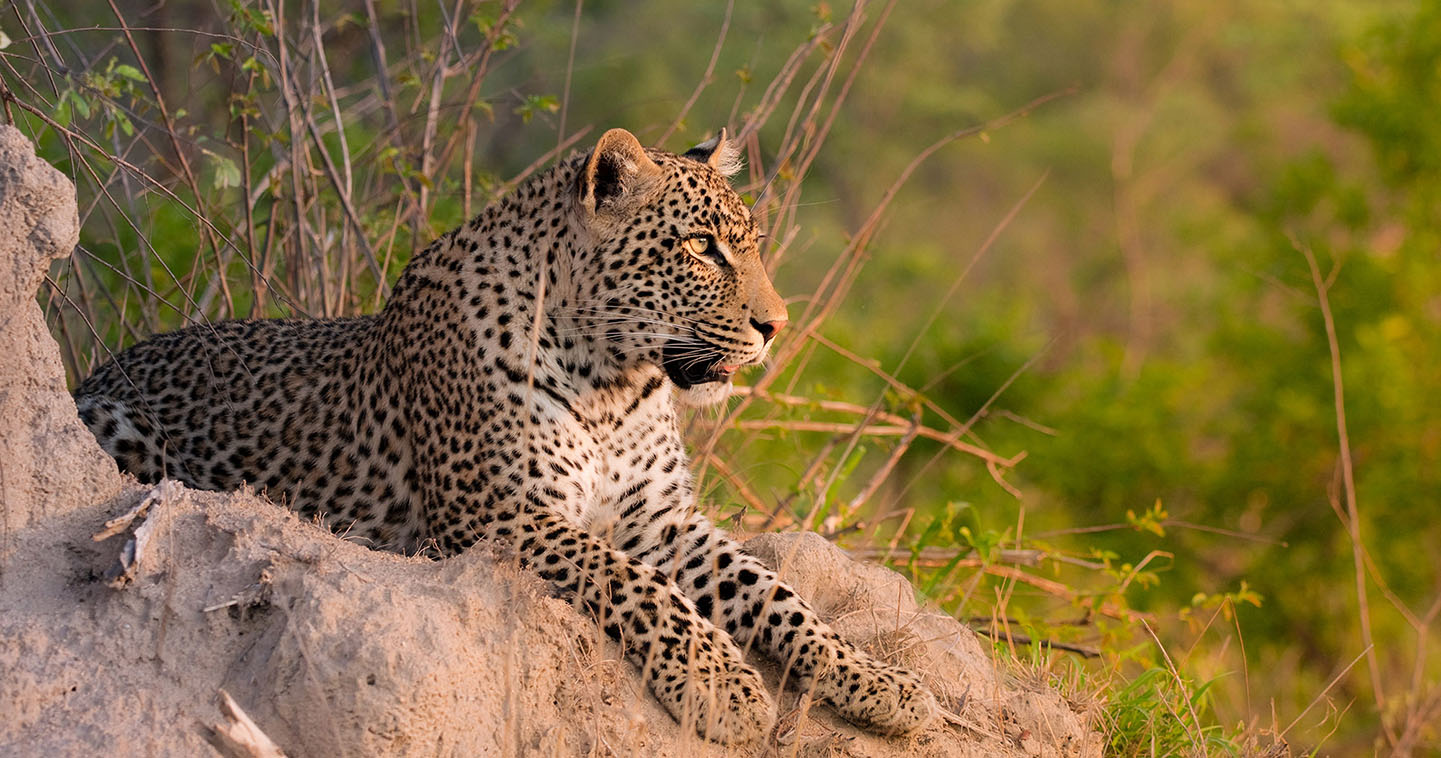
The Sabi Sand is famous above all for leopards. Generations of these cats have grown used to safari vehicles, so they can often be watched at close range going about their lives, hunting, resting in trees or raising cubs. Few places in Africa offer leopard viewing of this quality.
It is also a superb place to see the rest of the Big Five. Lion prides patrol the reserve, elephant and buffalo herds move through the bushveld, and rhino are present, although their locations are kept confidential to protect them from poaching. Wild dog pass through regularly and sometimes den in the area, and cheetah are occasionally seen in the more open parts of the reserve.
The supporting cast includes giraffe, zebra, blue wildebeest, kudu, nyala, impala and waterbuck, as well as spotted hyena, hippo and Nile crocodile along the rivers. Night drives reveal genets, civets, bushbabies and owls. Around 500 bird species are recorded in the area, from colourful lilac-breasted rollers to ground hornbills, vultures and a range of eagles.
Key wildlife
Best Time to Visit
Short answer: May–Sep. Also good: Oct–Nov, Mar–Apr.
Peak Good Quieter
The Sabi Sand offers excellent game viewing all year, which is one of its strengths. The dry winter months from May to September are the classic safari season. The bush thins out, animals concentrate around the rivers and waterholes, and the days are mild and sunny, although early mornings and evenings can be chilly on open vehicles.
October and November are hot and often the last months of the dry season before the rains, with good game viewing and the first green growth. The summer rains from about November to March bring lush landscapes, newborn impala and other young animals, migratory birds and dramatic thunderstorms. Wildlife can be harder to spot in thick vegetation, but the quality of guiding means sightings remain excellent. Summer is also when some lodges offer better rates.
Getting There
The easiest way to reach the Sabi Sand is by air. Skukuza Airport (SZK), inside the Kruger National Park close to the reserve, has scheduled flights from Johannesburg and Cape Town, with lodge transfers from there. Kruger Mpumalanga International Airport (MQP) near Nelspruit and Hoedspruit Airport (HDS) are other options. Many lodges have their own airstrips, served by scheduled light-aircraft flights and charters from Johannesburg and other airports.
By road, the Sabi Sand is roughly a six-hour drive from Johannesburg, with entry through gates such as Newington, Gowrie and Shaw’s. The reserve gates are open from 05:00 to 23:00, and your lodge will confirm arrival times and directions. Self-drive visitors can only enter the reserve with a confirmed booking at one of its lodges.
Arriving by road, you pay a reserve gate fee on entry, charged per vehicle and per person; guests who fly in to a lodge airstrip do not pay it. Every guest also pays the reserve’s Guest Conservation Contribution, which supports habitat management, anti-poaching work and community partnerships. The amount depends on the lodge’s tier, and lodges usually add it to your invoice per night, some capping it at three nights, so check with your planner what applies to your stay.
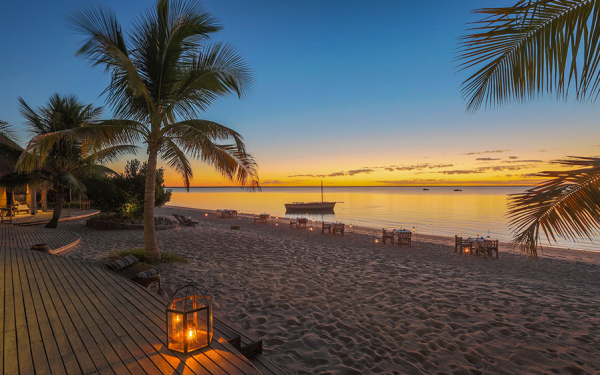
The Sabi Sand pairs naturally with Cape Town, the Garden Route or the Mozambique coast. See our Kruger to coast safari and sea itinerary for a bush-and-beach idea.
Fees & Access
Entrance fees
Guests arriving by road pay a reserve gate fee of R370 per light vehicle plus R170 per person (2026, VAT included). Guests who fly in to a lodge airstrip do not pay the gate fee.
All guests also pay the Sabi Sand Guest Conservation Contribution, which depends on the lodge’s tier: R106.38, R310.19, R574.00 or R957.38 per guest in 2026. Lodges usually add it to the invoice per night, and some cap it at three nights. There are no day visitors; entry is for guests with a lodge booking.
Gate hours
Reserve gates 05:00–23:00. Entry for lodge guests only.
Health
Malaria risk: Moderate. Ask a travel clinic about antimalarials before you go.
Fees and gate times change. Check the latest rates with the park authority before you travel.
Things to Do
Game drives in open vehicles, usually at dawn and in the late afternoon, are the heart of a Sabi Sand safari. They often end with sundowners in the bush and continue after dark with a spotlight.
Guided bush walks with an armed guide are offered by many lodges, focusing on tracks, plants, insects and the smaller details of the bush.
Photography is a big draw. Close, unhurried sightings of leopards and other animals make this one of the best places in Africa for wildlife photography, and some lodges offer dedicated photographic vehicles and guides.
Hide and deck time at lodges overlooking waterholes or rivers lets you watch wildlife between drives.
Wellness and family stays are also well catered for, with spa treatments at many lodges and children’s programmes at family-friendly properties.
Explore other private reserves in the Greater Kruger such as the Timbavati, browse all safaris, or plan your safari with us.
Location
Where is Sabi Sand Game Reserve?
Good to know
Sabi Sand Game Reserve FAQs
What fees do you pay in the Sabi Sand?
Guests arriving by road pay a gate fee of R370 per light vehicle plus R170 per person (2026). All guests pay the reserve’s Guest Conservation Contribution, which ranges from R106.38 to R957.38 per guest depending on the lodge, and is usually added to your lodge invoice.
Is the Sabi Sand fenced off from Kruger?
No. There is no fence between the Sabi Sand and the Kruger National Park, so wildlife moves freely across the boundary through the Greater Kruger ecosystem.
Can you see the Big Five in the Sabi Sand?
Yes. The Sabi Sand is one of the best places in Africa to see the Big Five, and it is especially famous for relaxed leopards. Rhino are present, but their locations are kept confidential to protect them.
Can you visit the Sabi Sand on a day trip?
No. Entry is for guests staying at lodges in the reserve, and day visitors are not admitted. Most guests stay at least three nights to get the most from the game drives.
How do you get to the Sabi Sand?
Fly to Skukuza Airport (SZK), Kruger Mpumalanga International (MQP) or Hoedspruit (HDS) and transfer to your lodge, or take a light-aircraft flight to a lodge airstrip. By road it is roughly six hours from Johannesburg.
Is the Sabi Sand a malaria area?
Yes. The Sabi Sand is in a malaria area, with the highest risk in the rainy summer months from about November to April. Speak to a travel clinic about prevention before you travel.
Keep exploring
More parks in South Africa
 National ParkBig Five
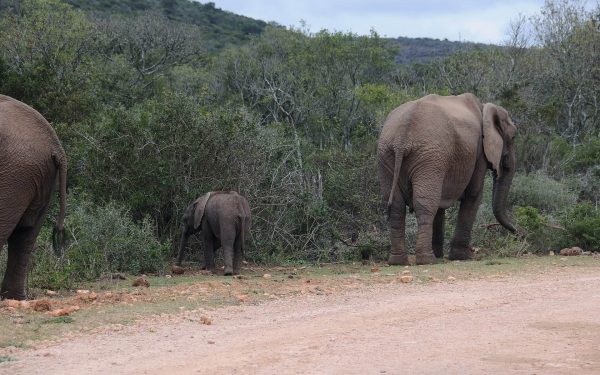
Addo Elephant National Park
South Africa's third-largest national park and the best Big Five destination in the malaria-free Eastern Cape.
Explore park →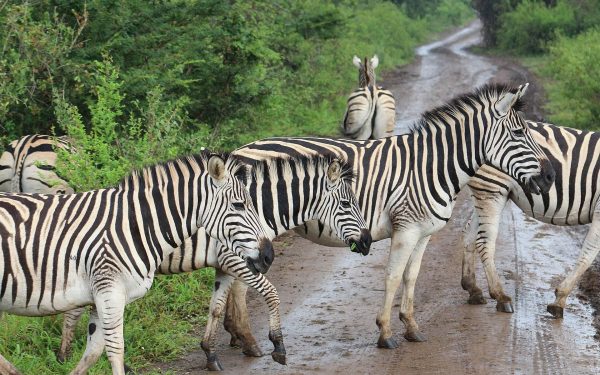 Nature ReserveBig Five
Hluhluwe-iMfolozi Park
The oldest proclaimed nature reserve in Africa and the park that saved the southern white rhino from extinction.
Explore park →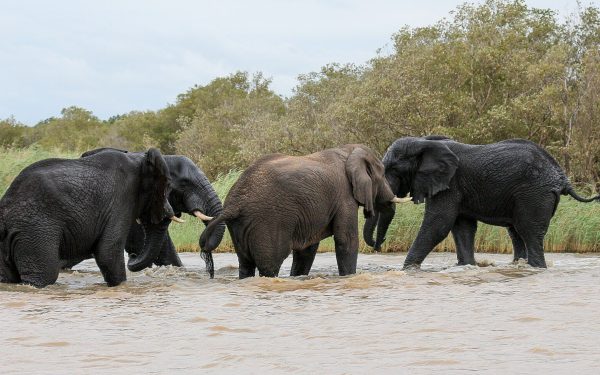 UNESCOBig Five
iSimangaliso Wetland Park
South Africa's first UNESCO World Heritage Site — a mosaic of lakes, wetlands, beaches, and coral reefs on…
Explore park →Begin your journey
Ready to experience Sabi Sand Game Reserve?
Tell us when you want to travel and what you want to see, and we will match you with the right safari.
Plan your safari