
Safaris
Safaris in Timbavati Private Nature Reserve
2 safaris that visit the park.
Park guide
Timbavati Private Nature Reserve guide
Overview
The Timbavati Private Nature Reserve is one of the best-known private reserves in the Greater Kruger, covering around 53,000 hectares of bushveld on the western boundary of the Kruger National Park, near the town of Hoedspruit. Founded in 1956 by landowners who joined together to manage the area for conservation, it is today an association of private landowners and lodges committed to protecting its wildlife.
There are no fences between the Timbavati and Kruger, or between Timbavati and its neighbouring private reserves, so animals move freely through one of Africa’s largest protected landscapes. The Timbavati is part of the wider Great Limpopo Transfrontier Conservation Area, which extends into Mozambique and Zimbabwe.
The Timbavati is famous around the world for its white lions, a rare colour variant caused by a recessive gene, which were first documented here in the 1970s. Sightings of white lions are never guaranteed and vary over the years, but the reserve continues to offer excellent Big Five game viewing. Accommodation ranges from intimate tented camps and classic safari lodges to exclusive luxury properties, and the reserve receives far fewer vehicles than the public areas of Kruger.
Every visitor to the Timbavati pays a nightly conservation levy, collected by the lodges on the reserve’s behalf. Because the reserve receives no state funding, these levies pay for its management and, above all, for the security operations that protect its rhino and other wildlife. Ten percent of levy income goes to community development projects through the Timbavati Foundation. Many lodges include the levy in their rates, so check with your planner what is covered.
Wildlife
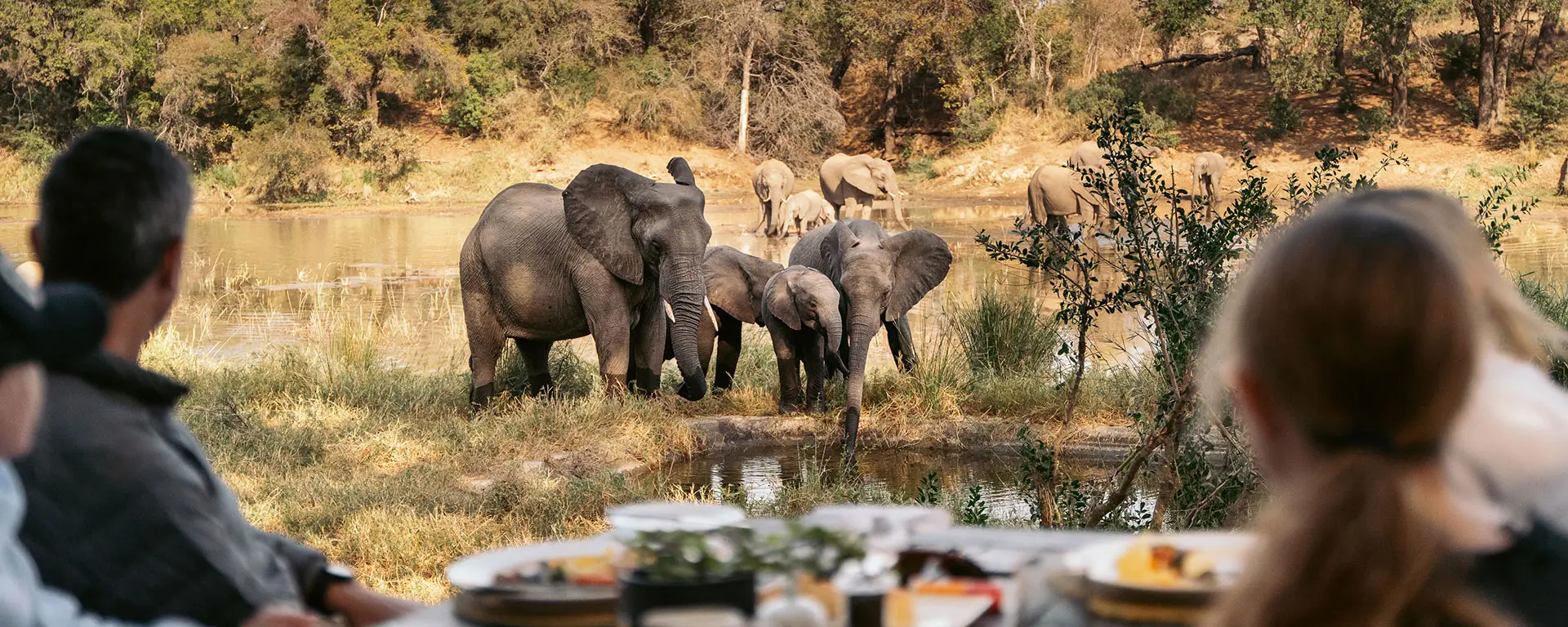
The Timbavati is home to all of the Big Five. Lion prides are well established, leopards are regularly seen, and elephants and buffalo herds move across the reserve, especially near the Timbavati River and the reserve’s waterholes in the dry season. Rhino are present, but their locations are kept confidential to protect them from poaching.
Wild dog regularly pass through, cheetah are occasionally seen in the more open areas, and spotted hyena are common. Giraffe, zebra, blue wildebeest, kudu, waterbuck, impala and warthog are widespread, and hippo and crocodile live in the larger dams.
Night drives reveal genets, civets, porcupines, bushbabies and owls, and birdlife is excellent, with species such as ground hornbills, vultures, bateleurs and lilac-breasted rollers, as well as many migrants in the summer months.
Key wildlife
Best Time to Visit
Short answer: May–Sep. Also good: Oct–Nov, Mar–Apr.
Peak Good Quieter
The Timbavati offers good game viewing throughout the year. The dry winter months from May to September are the classic safari season, when the bush thins and animals gather around the remaining water. Days are mild and sunny, but early mornings and evenings can be cold on open vehicles.
October and November are hot, with good game viewing before the rains. The summer rains, usually from November to March, bring green landscapes, newborn animals and excellent birding, with afternoon thunderstorms. Wildlife can be harder to spot in dense vegetation, but the experience of the bush in summer is beautiful, and some lodges offer better rates. The Timbavati lies in a malaria area, with the highest risk in the summer months.
Getting There
Hoedspruit Eastgate Airport (HDS) is only about 12 km from the Timbavati’s Enkhulu Gate, with daily flights from Johannesburg and Cape Town. Most lodges arrange transfers from the airport, and some have their own airstrips for charter flights. Kruger Mpumalanga International Airport (MQP) near Nelspruit is around three hours away by road.
By road, the Timbavati is roughly a six-hour drive from Johannesburg. The Enkhulu Gate is open from 05:00 to 22:00; if you expect to arrive outside these hours, your lodge can arrange special permission. Visitors arriving by road pay a gate fee per vehicle.
The Timbavati combines well with Cape Town, the Panorama Route and the Mozambique coast. See our 5-day essential Kruger safari.
Fees & Access
Entrance fees
Every visitor pays the Timbavati conservation levy, collected by the lodges on the reserve’s behalf. For 1 January to 31 December 2026, guests at fully catered lodges pay R660 per adult (12 and over) per night; different rates apply to children and to self-catering and day visitors. Ten percent of levy income funds community projects through the Timbavati Foundation.
Vehicles entering by road pay a gate fee at Enkhulu Gate, published as R340 per car or minibus and payable by cash or card. Many lodges include the levy in their rates.
Gate hours
Enkhulu Gate 05:00–22:00. Outside these hours, arrange special permission through your lodge.
Health
Malaria risk: Moderate. Ask a travel clinic about antimalarials before you go.
Fees and gate times change. Check the latest rates with the park authority before you travel.
Things to Do
Game drives in open vehicles, in the early morning and late afternoon, are the heart of a Timbavati safari, usually continuing after dark with a spotlight.
Walking safaris with an armed guide are a highlight, and several lodges specialise in walking, from morning walks to multi-night trails.
Sleep-outs on raised platforms or in tree houses are offered by some lodges for a night under the stars.
Photography is rewarding, with relaxed animals and few vehicles at sightings.
Day trips to the Blyde River Canyon, one of the largest canyons in Africa, and other sights of the Panorama Route are easy from Hoedspruit.
Compare the Sabi Sand to the south, browse all safaris, or plan your safari with us.
Location
Where is Timbavati Private Nature Reserve?
Good to know
Timbavati Private Nature Reserve FAQs
What fees do you pay in the Timbavati?
Every visitor pays a nightly conservation levy, which in 2026 is R660 per adult per night at fully catered lodges, with different rates for children and self-catering guests. Vehicles arriving by road also pay a gate fee at Enkhulu Gate. Many lodges include the levy in their rates.
Can you still see white lions in the Timbavati?
White lions are a rare colour variant caused by a recessive gene, first documented in the Timbavati in the 1970s. They are still born here from time to time, but sightings are never guaranteed and vary over the years.
Is the Timbavati fenced off from Kruger?
No. There are no fences between the Timbavati and the Kruger National Park or the neighbouring private reserves, so wildlife moves freely across the Greater Kruger.
How do you get to the Timbavati?
Hoedspruit Eastgate Airport (HDS) is about 12 km from Enkhulu Gate, with flights from Johannesburg and Cape Town. By road it is roughly six hours from Johannesburg. The gate is open from 05:00 to 22:00.
Can you do walking safaris in the Timbavati?
Yes. Walking with an armed guide is a highlight of the Timbavati, and several lodges specialise in walking safaris, from morning walks to multi-night trails.
Is the Timbavati a malaria area?
Yes. The Timbavati is in a malaria area, with the highest risk in the rainy summer months from about November to April. Speak to a travel clinic about prevention.
Keep exploring
More parks in South Africa
 National ParkBig Five
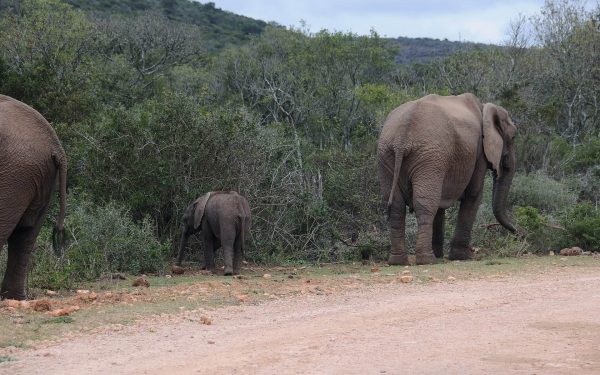
Addo Elephant National Park
South Africa's third-largest national park and the best Big Five destination in the malaria-free Eastern Cape.
Explore park →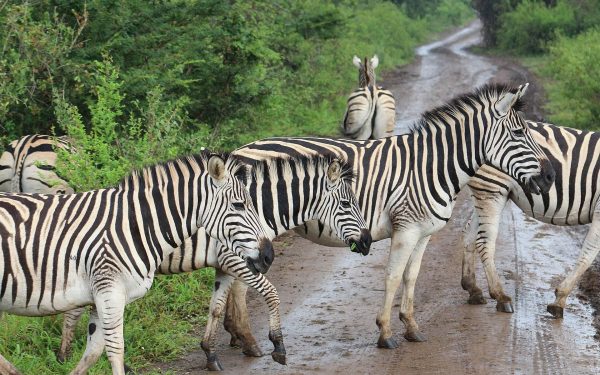 Nature ReserveBig Five
Hluhluwe-iMfolozi Park
The oldest proclaimed nature reserve in Africa and the park that saved the southern white rhino from extinction.
Explore park →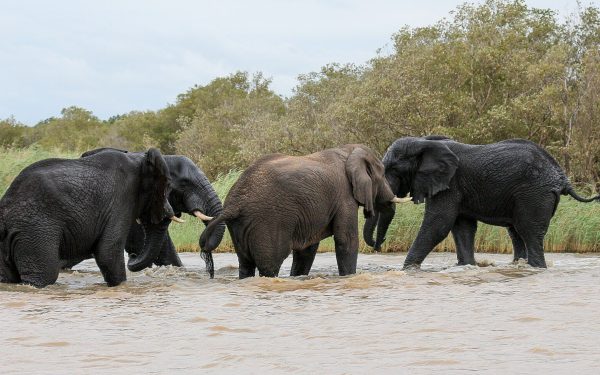 UNESCOBig Five
iSimangaliso Wetland Park
South Africa's first UNESCO World Heritage Site — a mosaic of lakes, wetlands, beaches, and coral reefs on…
Explore park →Begin your journey
Ready to experience Timbavati Private Nature Reserve?
Tell us when you want to travel and what you want to see, and we will match you with the right safari.
Plan your safari