Safaris
Safaris in Serengeti National Park
2 safaris that visit the park.
Park guide
Serengeti National Park guide
Overview
Few places live up to their reputation the way the Serengeti does. Its name comes from the Maasai word for “endless plains”, and for once the description is no exaggeration: 14,763 km² of short-grass savannah, acacia woodland and granite kopjes running from the Ngorongoro highlands towards Lake Victoria and north to the Kenyan border. It was declared a national park in 1951 and a UNESCO World Heritage Site in 1981, and it remains the heart of an ecosystem that also takes in the Ngorongoro Conservation Area, several game reserves and, across the border, Kenya’s Masai Mara.
The park is best understood as several quite different safaris in one. The central Seronera Valley, threaded with rivers and dotted with kopjes, holds game all year and is the classic place for big cats. The southern plains are where the herds gather to give birth early in the year. The Western Corridor follows the Grumeti River towards Lake Victoria, and the remote north around Kogatende and Lamai is where the Mara River crossings play out in the dry season.
That variety shapes how you plan. Rather than trying to see everything, the best Serengeti safaris pick one or two areas to match the month, then stay long enough to settle into the rhythm of the plains. Lodges and tented camps range from permanent properties near Seronera to seasonal mobile camps that move with the migration, so it is usually possible to be close to the action without long drives.
Wildlife
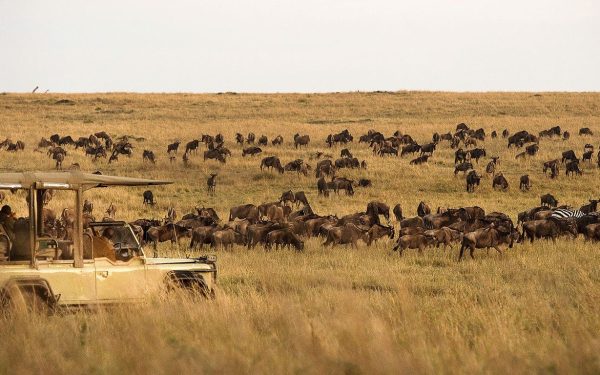
The Serengeti’s great draw is the migration: according to UNESCO, around two million wildebeest move through the ecosystem each year with hundreds of thousands of zebra and gazelle, on a circuit of roughly 1,000 km between Tanzania and Kenya. Watching a column of wildebeest stream across the plains, or a herd hesitate on a riverbank before the first animal jumps, is one of the defining sights of African travel.
Where there are herds there are predators. UNESCO counts around 4,000 lions, 1,000 leopards and 3,500 spotted hyenas in the wider ecosystem, giving the Serengeti one of the highest concentrations of large predators anywhere. Cheetah hunt on the open southern plains, leopard favour the sausage trees and kopjes along the Seronera River, and lion prides lounge on the granite outcrops made famous by countless documentaries.
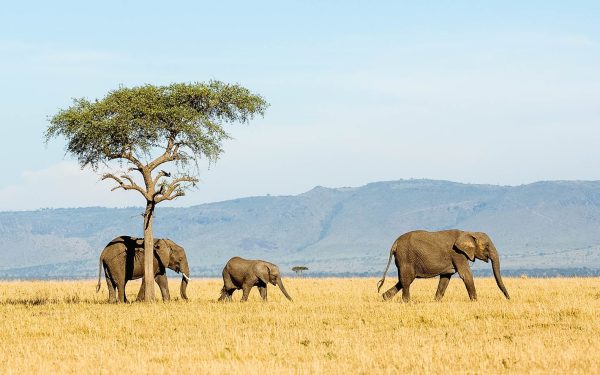
All of the Big Five are present, though rhino are the hardest to find: a small, closely protected population of black rhino lives around the Moru Kopjes. Elephant and buffalo are more common in the woodland of the north and west. Look out too for topi on termite mounds, eland, giraffe and the park’s ostriches, and bring binoculars, because more than 500 bird species have been recorded here.
Key wildlife
Best Time to Visit
Short answer: Jun–Oct. Also good: Dec–Mar.
Peak Good Quieter
There is no bad month in the Serengeti, only different ones, because the migration is always somewhere in the ecosystem. The long dry season from June to October is the classic time: the grass is short, animals are easy to see and the herds move from the Western Corridor, where the Grumeti River crossings usually begin around June, to the far north, where Mara River crossings are most likely from July to October.
From December to March the herds settle on the short-grass plains of the southern Serengeti and the neighbouring Ndutu area. Calving peaks around February, when thousands of young are born each day and predators are never far away. It is a wonderful, less crowded time to visit, with green landscapes and dramatic skies.
The long rains in April and May bring the quietest months. Some camps close, roads can be muddy and the herds are on the move, but the light is beautiful, rates are often lower and you may have sightings to yourself. Short rains usually fall in November as the herds drift south again through the eastern Serengeti.
Remember that the migration follows the rain, not the calendar. Timings shift by a few weeks from year to year, which is why choosing a camp in the right area for your month matters more than chasing a single crossing.
Getting There
Most international visitors fly into Kilimanjaro International Airport (JRO), between Arusha and Moshi, and spend a night in Arusha before continuing. From Arusha Airport (ARK) and Kilimanjaro, scheduled light-aircraft flights connect to airstrips throughout the park, often stopping at Lake Manyara on the way. Seronera Airstrip (SEU) serves the central Serengeti, while Kogatende and Lamai serve the north and Grumeti and Fort Ikoma the west.
Flying is the most comfortable option on a luxury itinerary and turns a full day on the road into an hour or two in the air, with the plains unfolding below. Bags on light aircraft are usually limited to around 15 kg per person in soft-sided luggage, so pack accordingly.
By road, the Serengeti is the natural finale of Tanzania’s northern circuit. Most itineraries drive from Arusha via Tarangire or Lake Manyara and the Ngorongoro highlands, entering the park at Naabi Hill Gate. The drive from Arusha to Seronera takes most of a day, so it is best broken with a night or two at the crater rim.
Fees & Access
Entrance fees
Conservation fees are charged per person per 24 hours. In peak season (16 May 2026 to 14 March 2027) non-resident adults pay US$70 plus 18% VAT (US$82.60); TANAPA now quotes this as TZS 178,850. In the low season (15 March to 15 May) the published rate is US$60 plus VAT (US$70.80). Children aged 5–15 pay US$20 plus VAT (US$23.60), and under-5s enter free.
Fees are paid electronically, by card or through your safari operator, and are normally included in a lodge or safari package. Camps inside the park also pay a nightly concession fee, which is usually built into the rate.
Gate hours
Game driving 06:00–18:00. Night drives are not permitted inside the national park.
Health
Malaria risk: Moderate. Ask a travel clinic about antimalarials before you go.
Fees and gate times change. Check the latest rates with the park authority before you travel.
Things to Do
Game drives are the backbone of a Serengeti safari. Early mornings and late afternoons are best for predators, and many camps offer full-day drives with a picnic so you can follow the herds. Night drives are not allowed inside the national park, and vehicles keep to designated tracks, which helps keep the plains unspoilt.
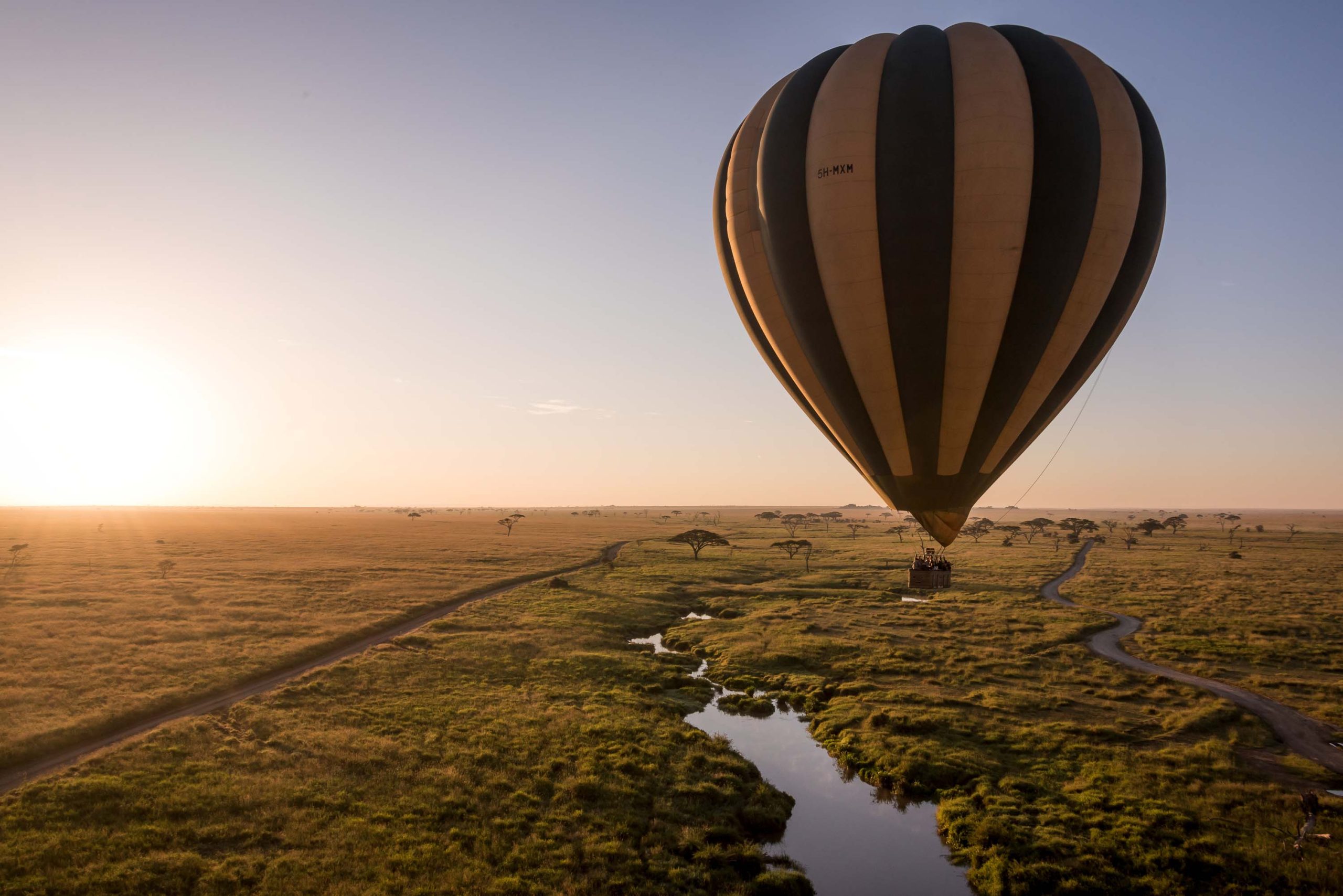
Hot-air balloon safaris lift off at dawn from the central, western and northern Serengeti. Drifting silently over the plains as the sun rises, then landing for a bush breakfast, is a highlight for many travellers, so book well ahead in the dry season.
Walking safaris are available in some areas and private concessions bordering the park. With an armed ranger, a walk reveals the smaller details of the bush: tracks, birds, plants and the reassuring scale of the landscape.
Cultural visits to Maasai communities on the edges of the ecosystem offer an insight into the people who have lived alongside this wildlife for generations, and combine well with time at Ngorongoro.
Combine it with the coast. The Serengeti pairs beautifully with a few days on Zanzibar or a stay in Nyerere National Park in the south. Browse our Tanzania luxury safari or all our safaris for ideas, or tell us what you have in mind and we will help shape a trip around the right months and areas.
Location
Where is Serengeti National Park?
Good to know
Serengeti National Park FAQs
When is the best time to see the Great Migration in the Serengeti?
It depends on what you want to see. Calving takes place on the southern plains and around Ndutu from about late January to March, the Grumeti River crossings in the Western Corridor usually begin around June, and the Mara River crossings in the north are most likely from July to October. The herds follow the rain, so timings shift by a few weeks each year.
How much are Serengeti park fees?
For 16 May 2026 to 14 March 2027, non-resident adults pay US$70 plus 18% VAT (US$82.60) per 24 hours, and children aged 5–15 pay US$20 plus VAT (US$23.60). Under-5s are free. From 15 March to 15 May the adult rate is US$60 plus VAT. Fees are usually included in a safari package; check the latest rates with Tanzania National Parks (TANAPA) before you travel.
Which airport is closest to the Serengeti?
Seronera Airstrip (SEU) in the central Serengeti is the main airstrip, with further strips at Kogatende and Lamai in the north and Grumeti and Fort Ikoma in the west. International travellers usually fly into Kilimanjaro International Airport (JRO) and connect by light aircraft from Kilimanjaro or Arusha (ARK).
Can you see the Big Five in the Serengeti?
Yes. Lion, leopard, elephant and buffalo are seen regularly, and a small, protected population of black rhino lives around the Moru Kopjes in the central Serengeti, although rhino sightings are never guaranteed.
Is the Serengeti a malaria area?
Yes. The Serengeti has a moderate malaria risk all year, highest in the rainy months. Speak to a travel clinic about antimalarials, and use repellent and cover up in the evenings.
How many days do you need in the Serengeti?
Plan at least three nights, ideally in one area chosen for the month you travel. With four to six nights you can split your stay between two areas, for example the central Serengeti and the north in the dry season, and combine it with Ngorongoro, Tarangire or Zanzibar.
Keep exploring
More parks in Tanzania
 National Park
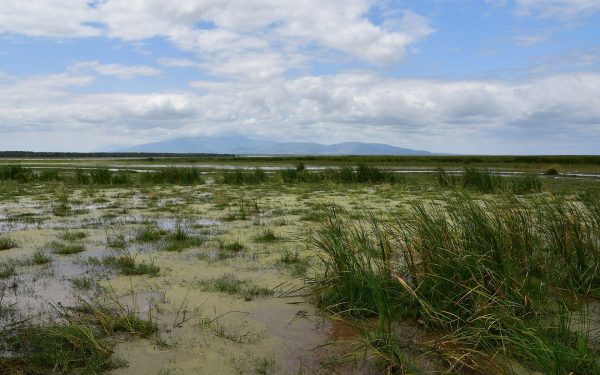
Lake Manyara National Park
A compact Tanzanian gem famous for tree-climbing lions and vast flamingo flocks against the dramatic Rift Valley escarpment.
Explore park →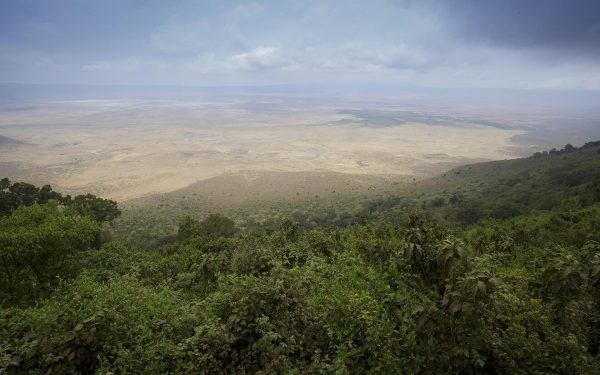 Conservation AreaBig Five
Ngorongoro Crater
A UNESCO World Heritage Site and the world's largest intact volcanic caldera — home to an extraordinary concentration…
Explore park →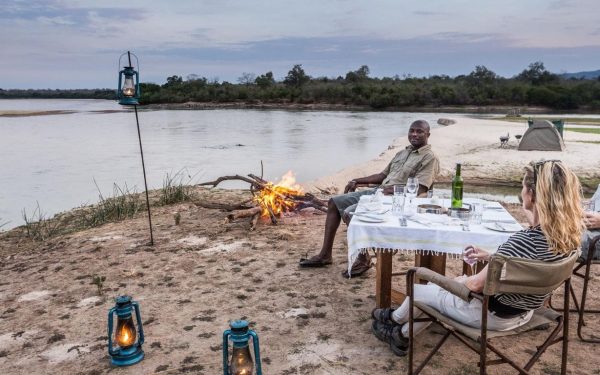 National Park
Nyerere National Park
Africa's largest national park — formerly the Selous Game Reserve — a vast and remote wilderness in southern…
Explore park →Begin your journey
Ready to experience Serengeti National Park?
Tell us when you want to travel and what you want to see, and we will match you with the right safari.
Plan your safari