Overview
Kruger National Park is South Africa’s flagship wildlife destination and one of the largest game reserves on the African continent.
Spanning nearly two million hectares across the provinces of Limpopo and Mpumalanga, the park stretches approximately 360 kilometres from north to south and up to 65 kilometres from east to west, an area roughly the size of Wales.
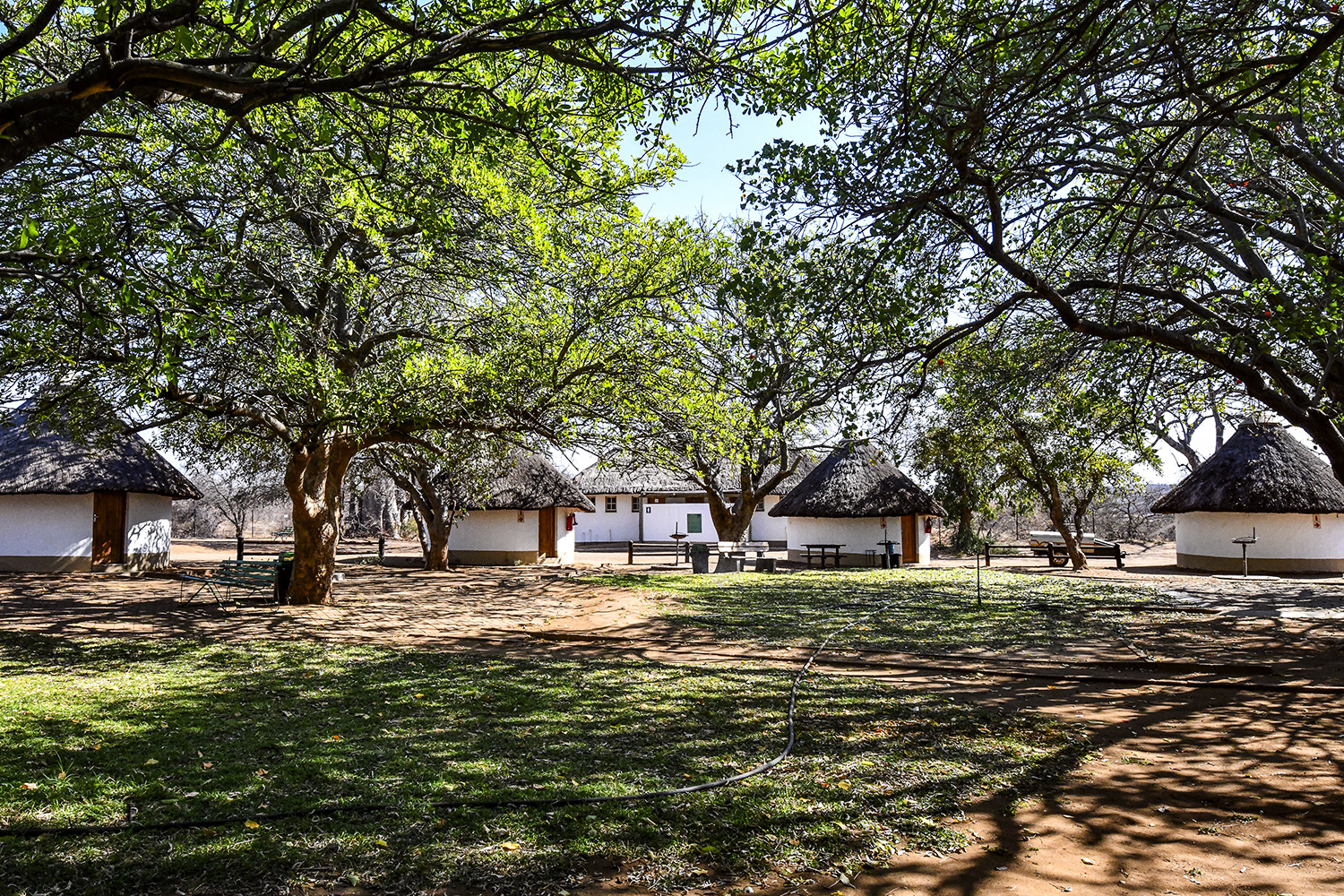
With 12 main rest camps, five bushveld camps, two bush lodges, four satellite camps within the public park, and a collection of world-class private lodges in the adjacent Greater Kruger reserves, the park caters to every style of safari. From self-drive adventurers to travellers seeking the finest luxury bush experience.
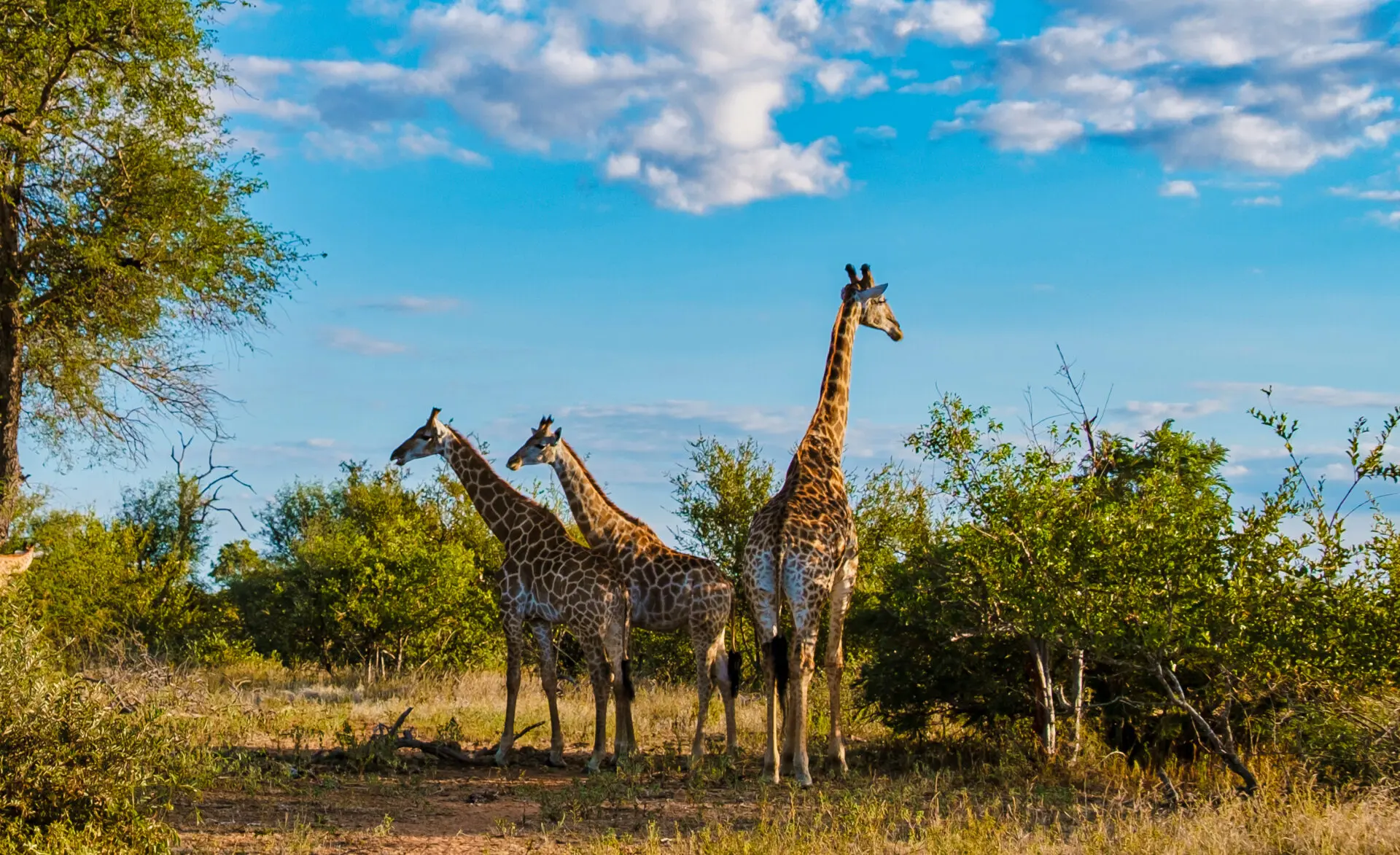
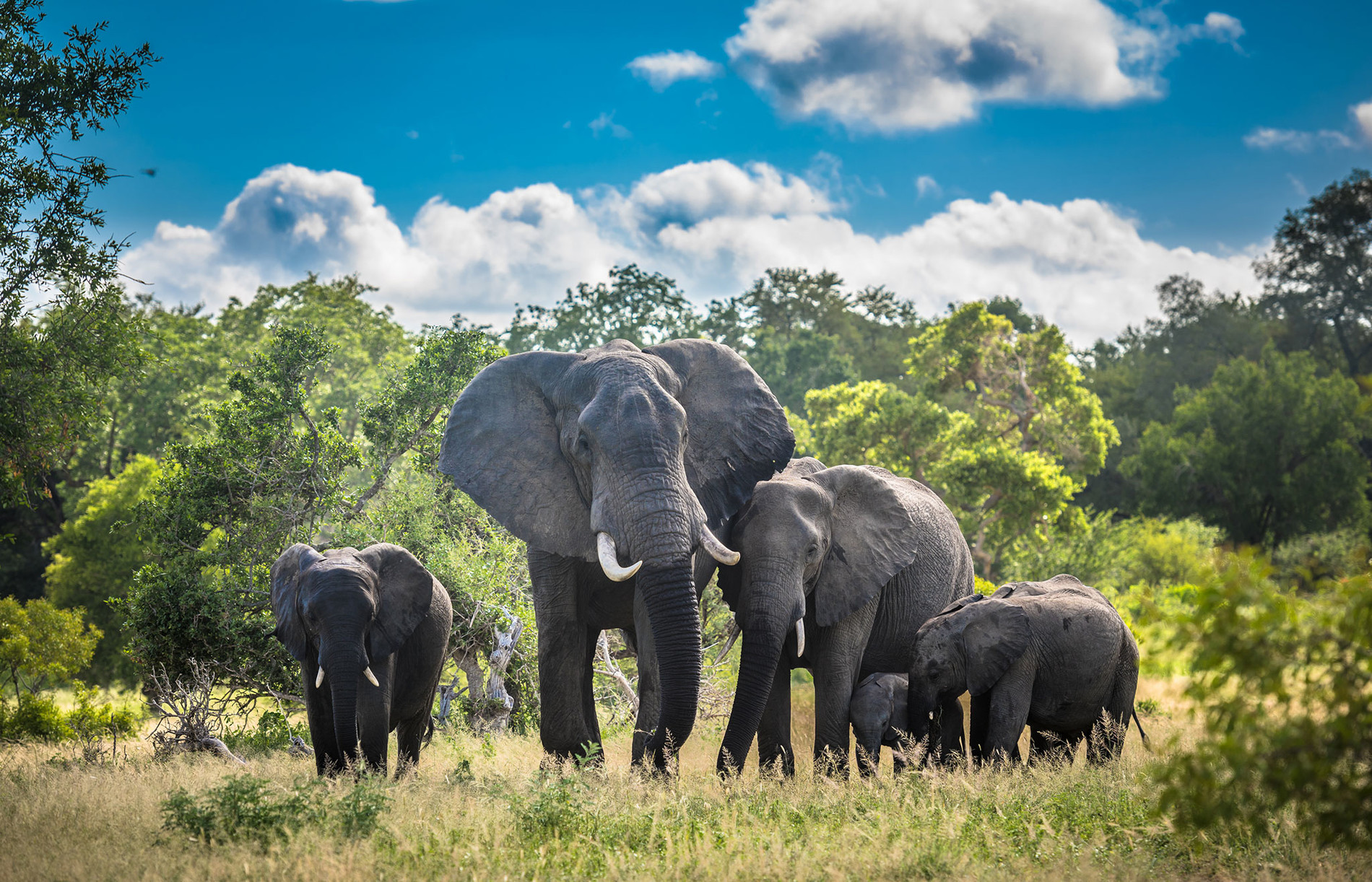
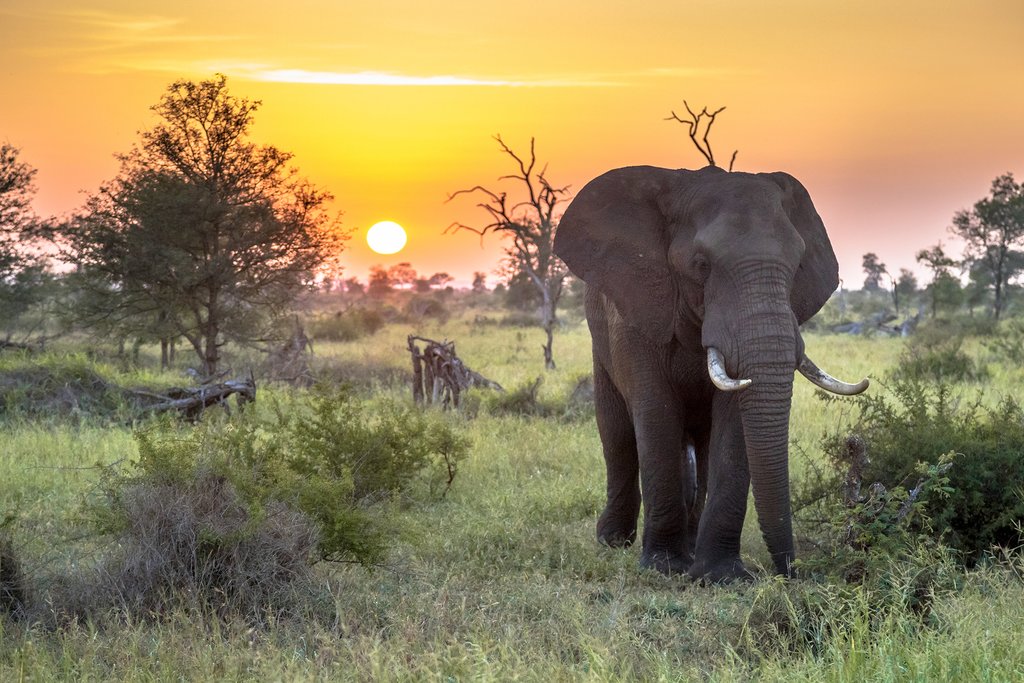
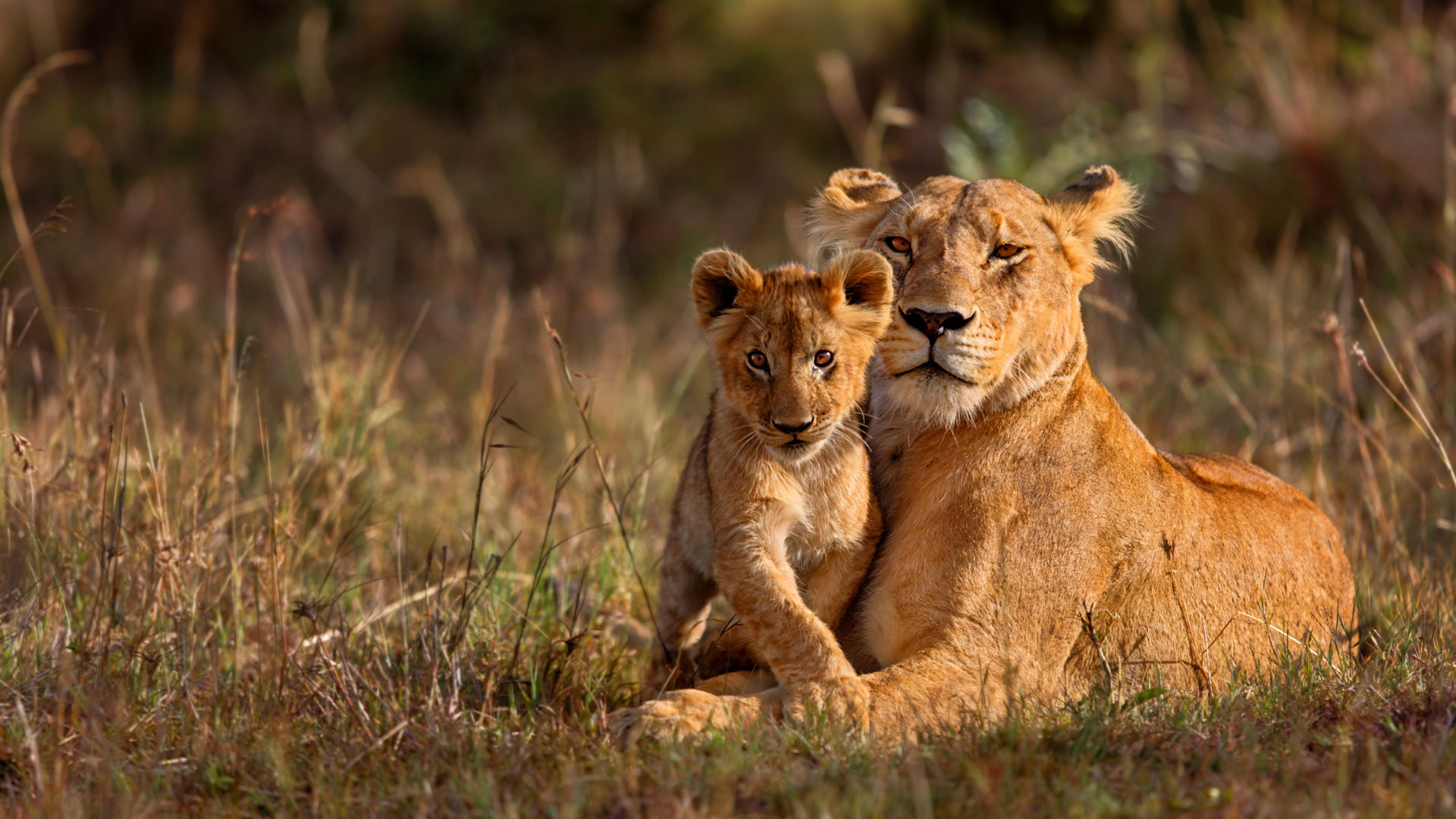
Kruger is home to 147 mammal species, 507 bird species, 114 reptile species, 49 fish species, and over 330 tree species. All five of Africa’s iconic Big Five are found within its borders.
It holds the world’s largest population of wild white rhinoceros, and the park is home to approximately 400 of South Africa’s remaining African wild dogs. For birders, Kruger is exceptional.
Getting There
The most convenient airport for the southern section of the park is Kruger Mpumalanga International Airport (KMIA), located near Nelspruit (Mbombela).
KMIA receives daily flights from Johannesburg, Cape Town, and Durban, and the drive from the airport to the nearest park gates — Numbi or Malelane — takes under an hour.
For the central section, Hoedspruit Eastgate Airport serves the Orpen Gate area and the private reserves of Timbavati, Klaserie, and Thornybush. Skukuza Airport, located inside the park itself near the main rest camp, offers daily scheduled flights from Johannesburg and Cape Town.
Many luxury private lodges in the Greater Kruger reserves offer direct charter transfers from Johannesburg to private bush airstrips, with flight times of around 90 minutes.
For self-drive visitors, Johannesburg is approximately four to five hours from the park’s southern gates via the N4 or N12 highways.
Best Time to Visit
Kruger is a year-round destination, but the dry winter months from May to September are widely considered the best period for wildlife viewing.
September and October mark the transition to spring. The bush is at its driest and most open, producing some of the year’s best game viewing.
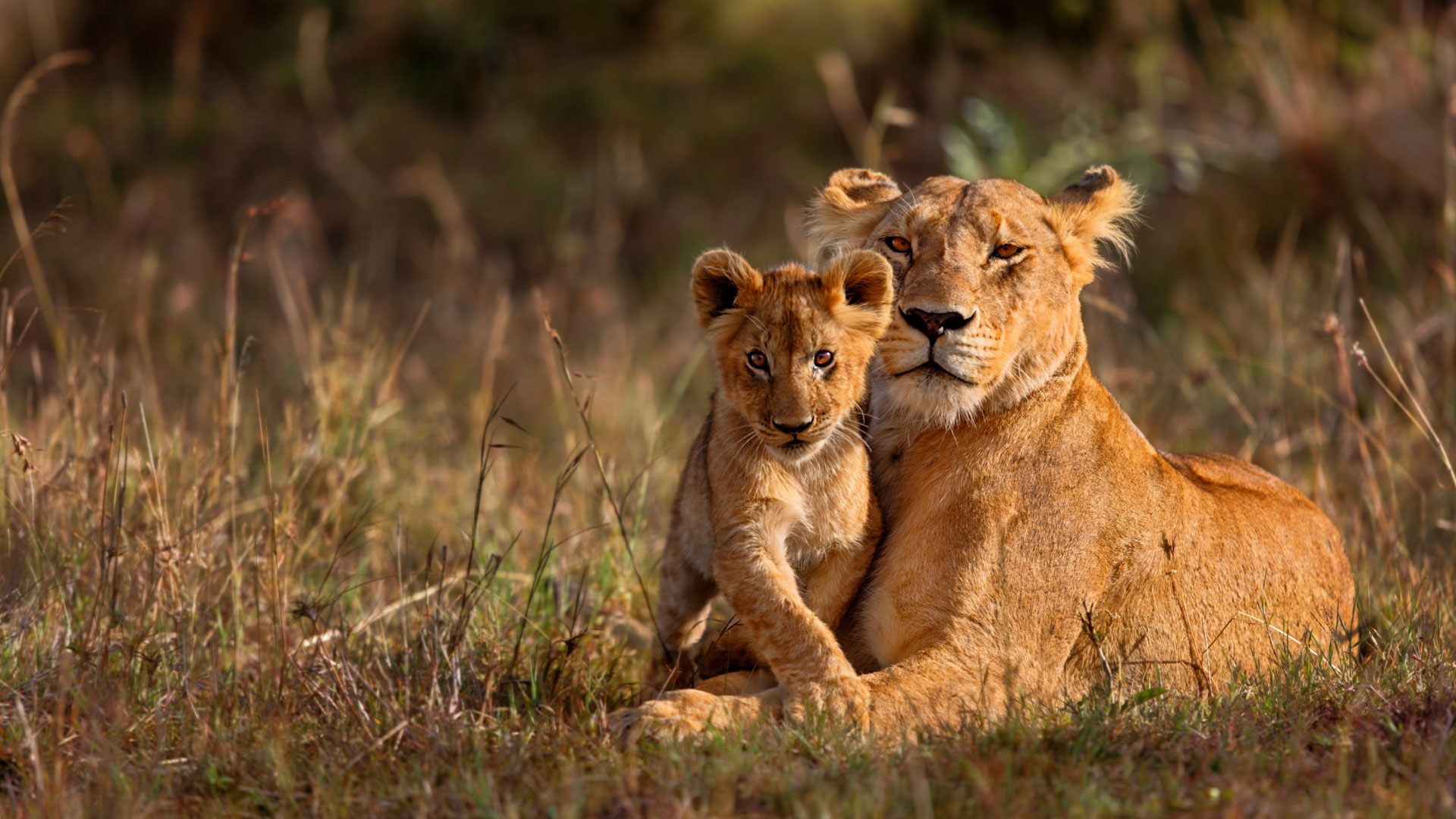
The wet summer months from November to March is the best season for birdwatching, and it is also when many animals give birth. Seeing newborns alongside their mothers is one of the most memorable experiences Kruger has to offer.
Note that Kruger falls within a malaria zone. The risk is highest during the wet summer months when mosquito activity peaks.
Things to Do in Kruger
Kruger offers far more than game drives. The park’s scale and diversity of habitats make it one of Africa’s most activity-rich destinations, with experiences ranging from self-drive exploration to guided wilderness trails.
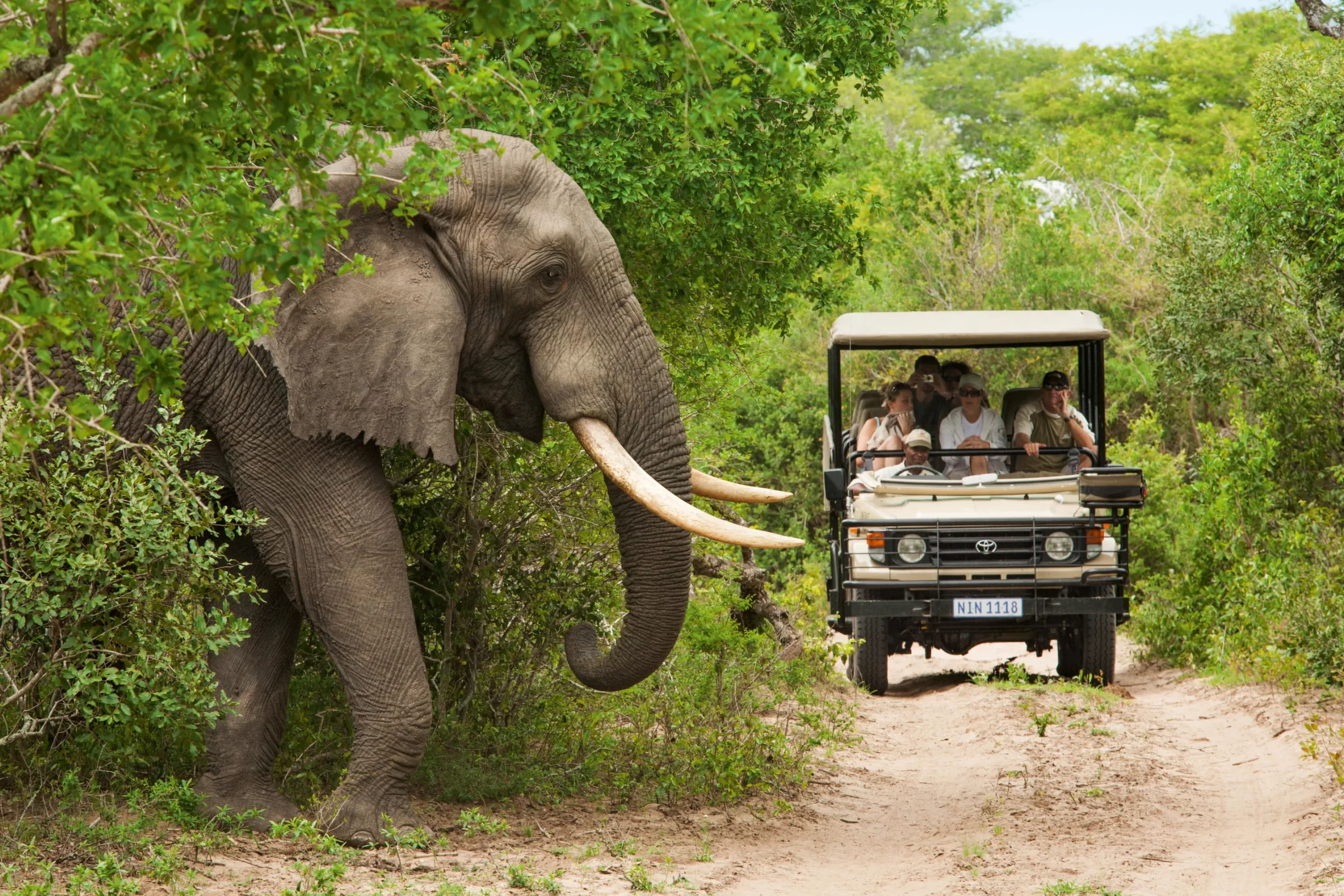
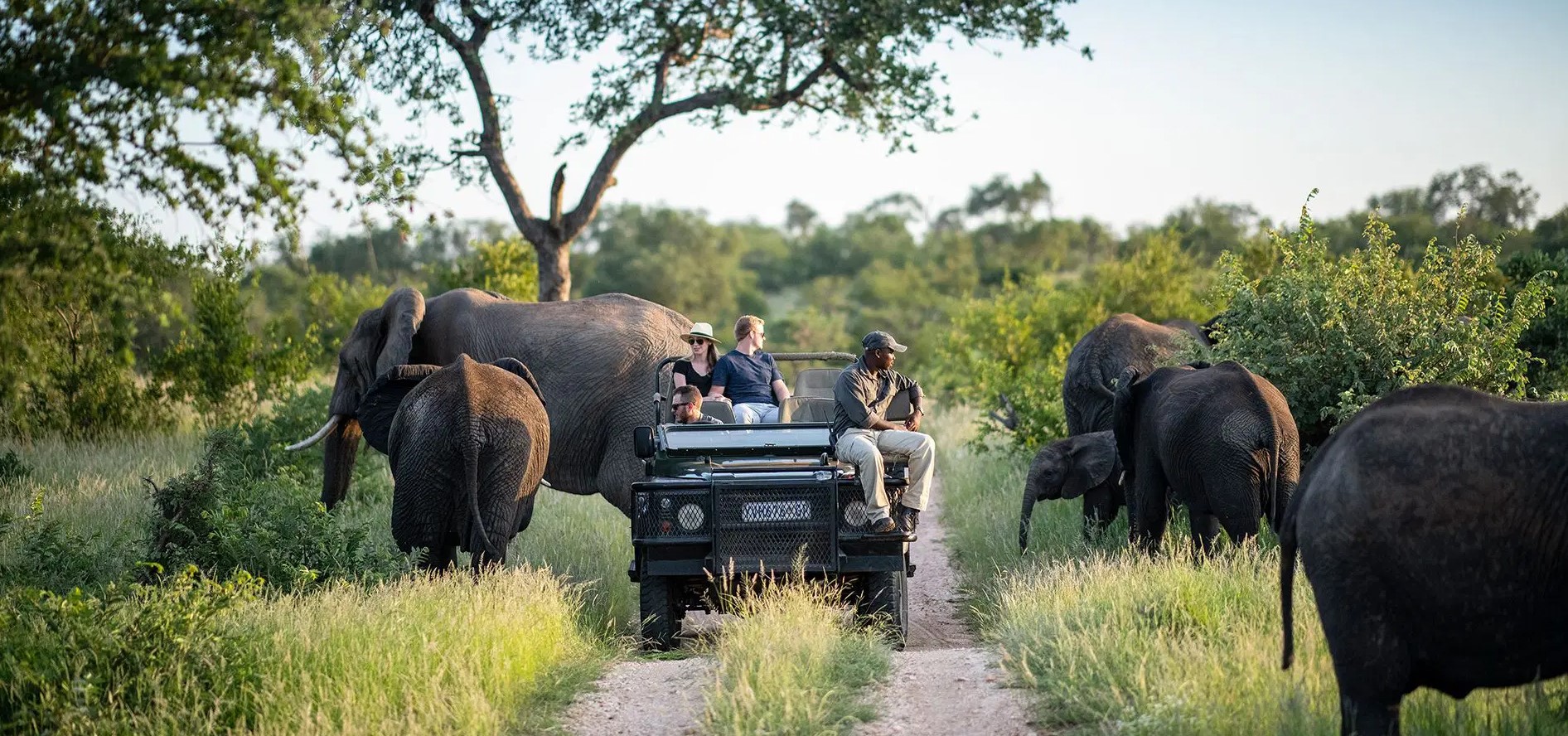
Self-drive game drives — Kruger’s 1,800 km road network is among the most accessible in Africa. Armed with a map and a good field guide, self-drive visitors can spend days exploring independently, following the S-roads (gravel routes) that offer the best off-the-beaten-path sightings.
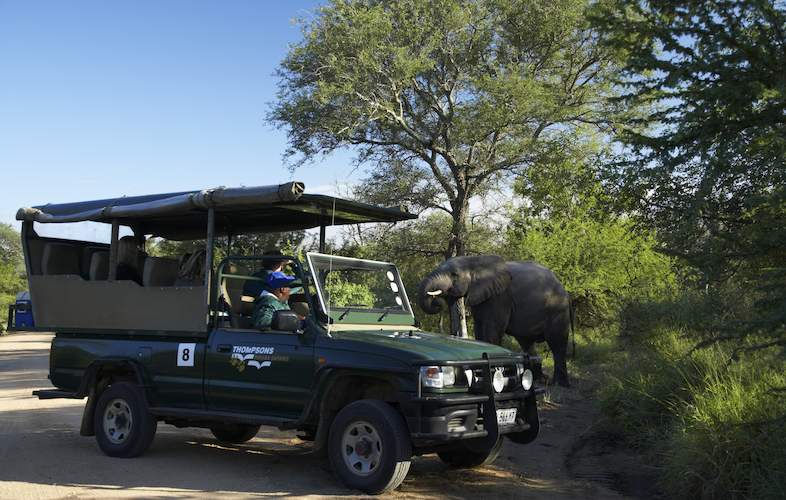
Guided open-vehicle safaris — SANParks offers guided morning and evening drives from most rest camps in open Land Rovers. Private lodge guests have exclusive access to off-road driving and spotlight night drives, dramatically increasing wildlife encounter rates.
Wilderness trails — Kruger is one of the few parks in Africa where you can walk among the Big Five on a fully guided multi-day wilderness trail. Five designated trails (Olifants, Wolhuter, Metsi-Metsi, Nyalaland, and Sweni) operate from remote fly camps, with a maximum of eight participants per trail.
Bush braai and night drives — Several rest camps offer bush braai experiences and night drives with spotlight searches for nocturnal species including leopard, hyena, civet, and aardvark.
Birding — With 507 recorded species, Kruger is a world-class birding destination. The Pafuri region in the far north is considered the park’s premier birding area, home to sought-after species like the Pel’s fishing owl, racket-tailed roller, and Bohm’s spinetail.