
Safaris
Safaris in Lake Nakuru National Park
5 safaris that visit the park.
Park guide
Lake Nakuru National Park guide
Overview
Lake Nakuru National Park lies on the floor of Kenya’s Great Rift Valley, about 160 km northwest of Nairobi, right on the edge of the city of Nakuru. It is a compact park of around 188 km², centred on a shallow alkaline lake and ringed by grassland, yellow-barked acacia woodland, rocky ridges and the Rift Valley escarpment. Protection began in 1961, and the park was later enlarged.
Lake Nakuru first became famous for its flamingos, which at times gathered in such numbers that the shoreline turned pink. Today it is just as important as a rhino stronghold. In 1987 it became Kenya’s first fenced rhino sanctuary, and it now protects both black and white rhino, making it one of the most reliable places in the country to see them.
The lake itself changes from year to year. From around 2010 its level rose sharply, flooding parts of the shoreline, roads and old buildings, and the water became less salty. Flamingo numbers fall when that happens, and many birds move to other Rift Valley lakes such as Bogoria. When the water level drops and the lake becomes more alkaline again, the flamingos can return in large numbers.
Because it is small, fenced and easy to reach, Lake Nakuru fits neatly into a Rift Valley itinerary between Nairobi and the Masai Mara, or as a stop on the way north to Laikipia and Samburu.
Wildlife
Rhino are the park’s greatest draw. White rhino often graze on the open grasslands near the lakeshore, while the shyer black rhino prefer thicker bush and woodland. Seeing both species on the same game drive is quite possible here.
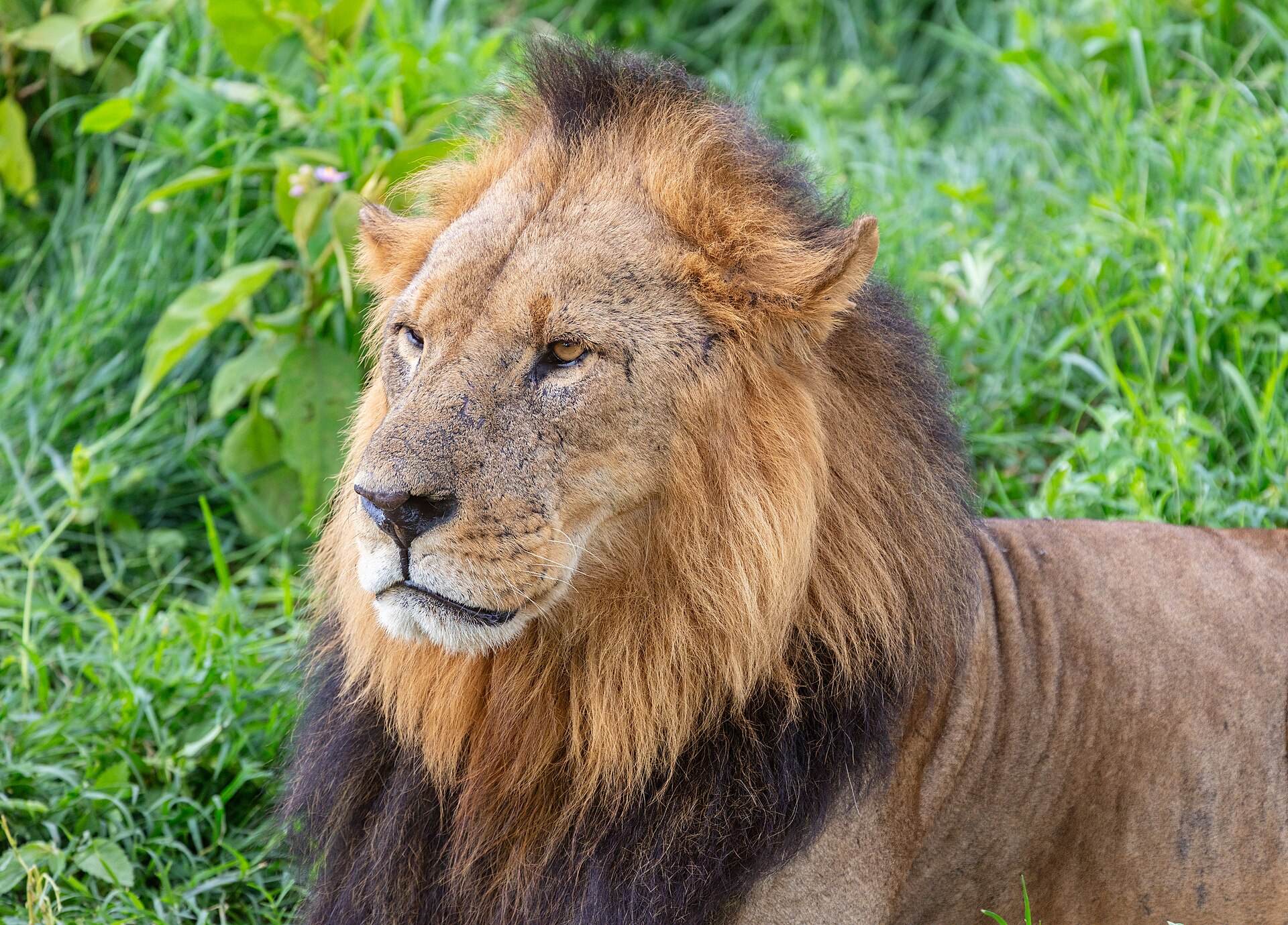
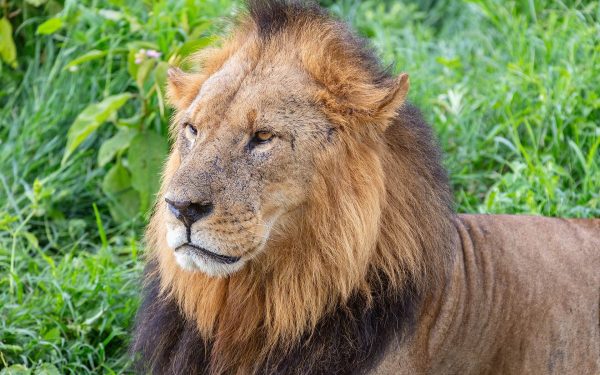
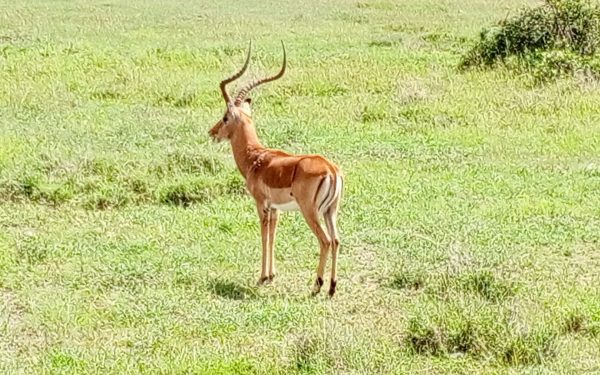
Lake Nakuru is also a sanctuary for the endangered Rothschild’s giraffe, a subspecies first brought into the park in the 1970s. Buffalo, waterbuck, plains zebra, impala, Bohor reedbuck and olive baboons are common, and eland and warthog are often seen. Lion live in the park and are sometimes found resting in the acacia trees, and leopard are present in the woodland and on the rocky slopes, though they are harder to find. Spotted hyena and the occasional rock python complete the picture. There are no elephants, so Lake Nakuru is not a Big Five destination.
Birdlife is outstanding, with more than 450 species recorded. Depending on the lake level, lesser and greater flamingos, great white pelicans, cormorants, storks and waders line the shore, while fish eagles, augur buzzards and long-crested eagles hunt over the woodland.
Key wildlife
Best Time to Visit
Short answer: Jun–Oct. Also good: Jan–Feb.
Peak Good Quieter
Lake Nakuru is a year-round destination. The dry seasons, from about June to October and from January to February, offer the easiest game viewing. Roads are firmer, grass is shorter and animals are easier to spot.
The long rains usually fall from around March to May, and the short rains in November and December. The park becomes lush and green and there are fewer visitors, but some tracks can be slippery. Migrant birds are present from about October to April.
At around 1,750 metres above sea level, Lake Nakuru has pleasant days and cool nights, so pack a warm layer for early morning game drives. Flamingo numbers depend on the lake’s water and food supply rather than the calendar, so ask your safari planner about current conditions if flamingos are a priority.
Getting There
Most visitors travel by road from Nairobi, which takes about three to four hours depending on traffic. The road follows the Rift Valley escarpment and offers sweeping views over the valley floor. International visitors usually arrive at Jomo Kenyatta International Airport (NBO) in Nairobi.
The Main Gate is on the edge of Nakuru town, and there are also entrances at Lanet and Nderit. From Lake Nakuru, it is a scenic drive to Lake Naivasha or onward to the Masai Mara, and it is also a convenient stop on the way to the Laikipia Plateau.
Park fees are cashless and must be paid in advance through the Kenya Wildlife Service’s eCitizen system, so make sure your safari operator or lodge has arranged them before you arrive.
Fees & Access
Entrance fees
Conservation fees are set by the Kenya Wildlife Service and charged per person for a single entry of up to 24 hours. Non-resident adults pay US$90 and children aged 5–17 US$45. African citizens pay US$50 (child US$25), Kenya residents KSh 2,025 and East African citizens KSh 1,500. Children under 5 are free. A vehicle with fewer than six seats pays KSh 600 per day.
Payment is cashless and must be made in advance through KWS’s eCitizen system, usually by your safari operator or lodge.
Gate hours
6:00 AM - 6:00 PM
Health
Malaria risk: Low. Ask a travel clinic about antimalarials before you go.
Fees and gate times change. Check the latest rates with the park authority before you travel.
Things to Do
Game drives are the main activity, combining rhino and giraffe sightings on the grasslands with birdwatching along the lakeshore.
Baboon Cliff is a viewpoint high above the western shore, where you can get out of your vehicle and look across the lake and the Rift Valley.
Makalia Falls, in the south of the park, is a seasonal waterfall that is at its best after the rains.
Birdwatching is rewarding all year, from flamingos and pelicans on the water to raptors and woodland birds in the acacias.
Photography is excellent in the soft early-morning light, when rhino graze in the open and the lake is often calm.
Explore Kenya’s other parks, such as the Masai Mara and Samburu, browse all safaris, or plan your safari with us.
Location
Where is Lake Nakuru National Park?
Good to know
Lake Nakuru National Park FAQs
How much are Lake Nakuru National Park fees?
Non-resident adults pay US$90 and children aged 5–17 pay US$45 per entry of up to 24 hours. African citizens, Kenya residents and East African citizens pay lower rates, and children under 5 are free. Payment is cashless through KWS’s eCitizen system.
Can you see rhino at Lake Nakuru?
Yes. Lake Nakuru became Kenya’s first fenced rhino sanctuary in 1987, and it protects both black and white rhino. White rhino are often seen grazing near the lakeshore.
Are there still flamingos at Lake Nakuru?
Sometimes. Flamingo numbers depend on the lake’s water level and salinity. When the lake rose sharply after around 2010, many flamingos moved to other Rift Valley lakes. Numbers can recover when conditions change, so check current conditions before you travel.
Does Lake Nakuru have the Big Five?
No. Lake Nakuru has rhino, lion, leopard and buffalo, but there are no elephants in the park.
How far is Lake Nakuru from Nairobi?
The park is about 160 km northwest of Nairobi, around three to four hours by road. The Main Gate is on the edge of Nakuru town.
When is the best time to visit Lake Nakuru?
Lake Nakuru can be visited year-round. The dry seasons from June to October and January to February offer the easiest game viewing, while the rainy months are greener and quieter.
Keep exploring
More parks in Kenya
 National Park
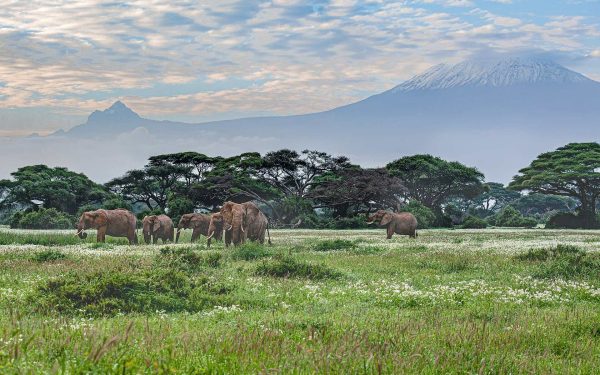
Amboseli National Park
Kenya's iconic park offering unrivalled views of Mount Kilimanjaro as a backdrop to large elephant herds.
Explore park →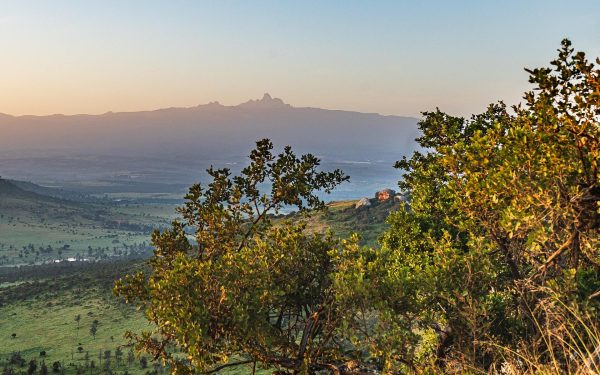 Conservation AreaBig Five
Laikipia Plateau
Kenya's wildlife heartland — a vast mosaic of private ranches and conservancies supporting more wildlife than any other…
Explore park →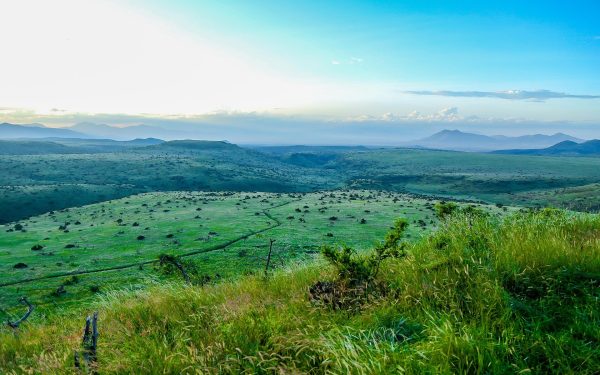 ConservancyBig Five
Lewa Wildlife Conservancy
A pioneering Kenyan conservancy that has become a global model for community-based rhino conservation.
Explore park →Begin your journey
Ready to experience Lake Nakuru National Park?
Tell us when you want to travel and what you want to see, and we will match you with the right safari.
Plan your safari