
Safaris
Safaris in Lewa Wildlife Conservancy
2 safaris that visit the park.
Park guide
Lewa Wildlife Conservancy guide
Overview
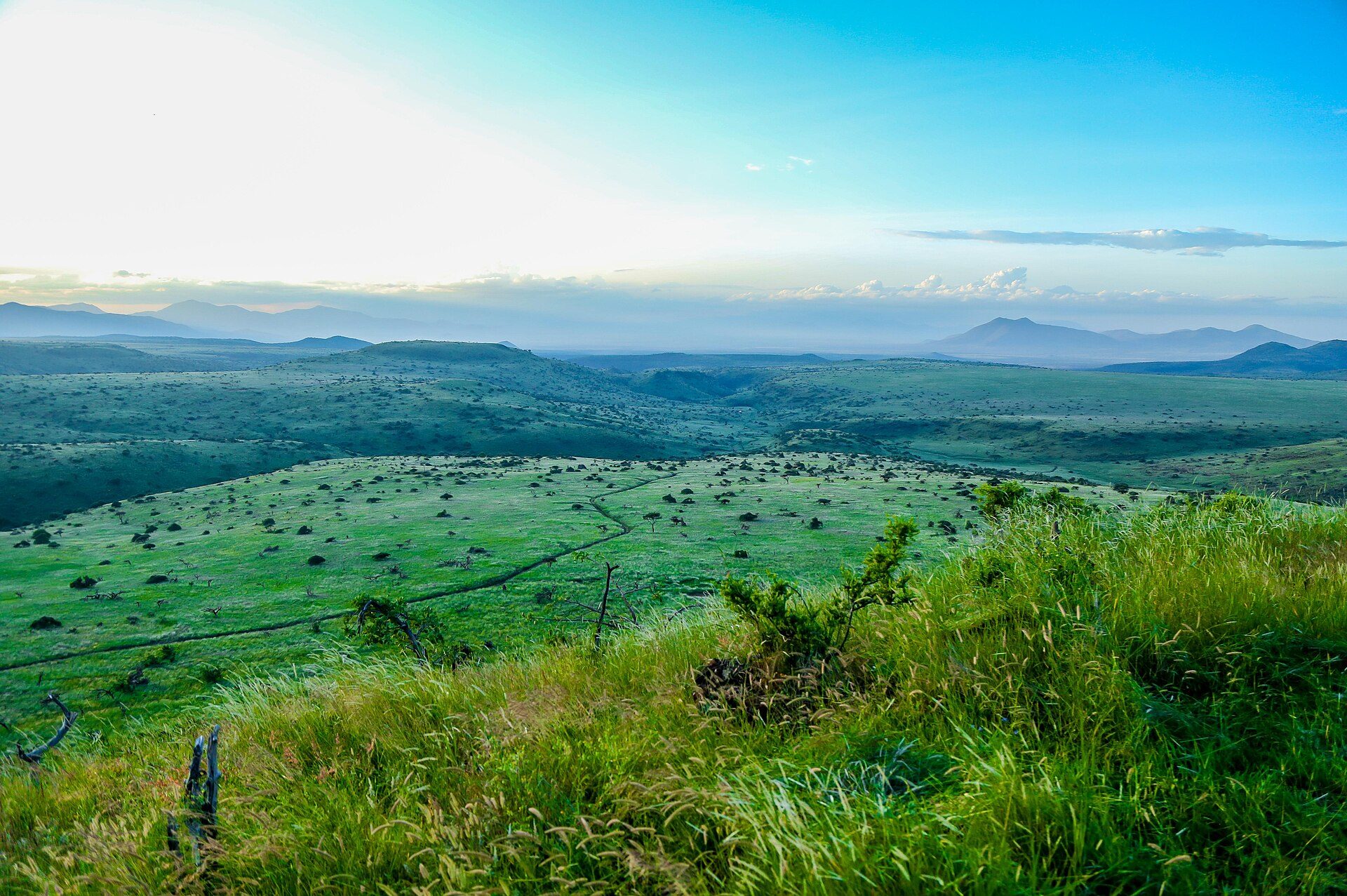
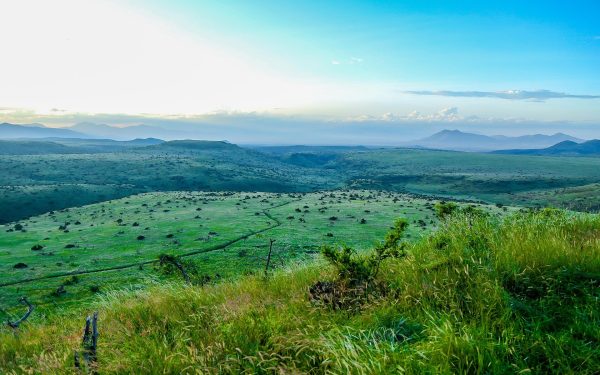
Lewa Wildlife Conservancy lies in northern Kenya, between the foothills of Mount Kenya and the dry plains that stretch towards Samburu. It covers about 250 km² of grassland, acacia woodland, rocky hills and wetland, and is one of Africa’s best-known conservation success stories.
Lewa began as a cattle ranch. In 1983 part of it became a sanctuary for black rhino, at a time when poaching had driven their numbers in Kenya to a critical low. The sanctuary was later extended to the whole ranch, and in 1995 Lewa became a non-profit wildlife conservancy. Today it is a key refuge for both black and white rhino and for the endangered Grevy’s zebra.
Together with the neighbouring Ngare Ndare Forest, Lewa is part of the Mount Kenya UNESCO World Heritage Site. The conservancy also works closely with neighbouring communities, supporting schools, health care, water projects and other programmes, funded in part by visitor conservation fees. Each year it hosts the Lewa Safari Marathon, a well-known fundraising race run on the conservancy’s tracks.
Lewa is a small, exclusive safari destination with only a handful of camps and lodges, and it is often combined with Samburu to the north and the wider Laikipia Plateau to the west.
Wildlife
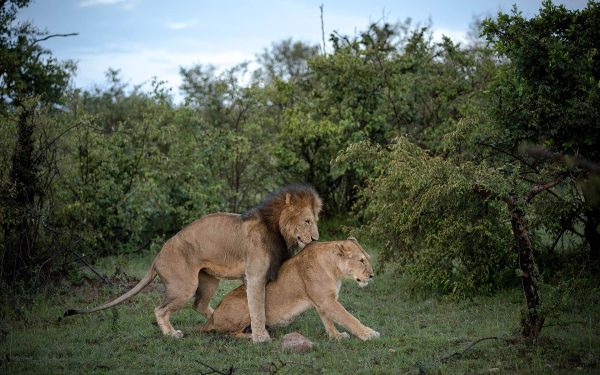
All of the Big Five live on Lewa. Black and white rhino are the conservancy’s pride, and sightings are good. Elephant, buffalo, lion and leopard are present, along with cheetah, spotted and striped hyena and, at times, African wild dog.
Lewa holds one of the largest populations of Grevy’s zebra in the world, and it is a good place to see other northern Kenya species such as reticulated giraffe, Beisa oryx, gerenuk and Somali ostrich. Plains zebra, eland, impala, Grant’s gazelle, waterbuck and sitatunga in the swamps complete the picture.
Ranger teams monitor Lewa’s rhinos every day, and the conservancy’s security and anti-poaching work is coordinated with neighbouring conservancies and the Kenya Wildlife Service.
More than 400 bird species have been recorded, from raptors and bustards to colourful sunbirds and weavers.
Key wildlife
Best Time to Visit
Short answer: Jun–Oct. Also good: Jan–Feb.
Peak Good Quieter
Lewa can be visited year-round. The dry seasons, from about June to October and from January to February, offer the best game viewing, with clear skies and wildlife gathering near water.
The long rains usually fall from around late March to May, and the short rains in November. The landscape turns green and birdlife is at its best, though some camps may close for part of the wet season.
At around 1,700 metres above sea level, Lewa has warm days and cool nights. Malaria risk is low, but speak to a travel clinic before you travel.
Getting There
Scheduled light-aircraft flights from Nairobi’s Wilson Airport reach Lewa’s airstrip in about an hour. International visitors usually arrive at Jomo Kenyatta International Airport (NBO) in Nairobi.
By road, Lewa is about five to six hours from Nairobi via Nanyuki and Meru. Only authorised vehicles are allowed in the conservancy, so most visitors use their camp’s vehicles and transfers.
Lewa’s airstrip is also a convenient hub for light-aircraft hops to Samburu, other Laikipia conservancies and the Masai Mara, making it easy to build a multi-stop safari.
Fees & Access
Entrance fees
Lewa charges a conservation fee that funds rhino protection, wildlife monitoring and community programmes. For 2026, non-resident overnight guests pay US$126 per adult per night and non-resident day visitors US$198 per adult; Kenyan and East African residents pay KSh 2,800 overnight or KSh 8,074 for a day visit. Children aged 6–12 pay half, and children under 6 are generally free.
The fee is usually included in, or added to, your camp’s rate. Rates are subject to change, so confirm with your safari planner.
Gate hours
6:00 AM - 6:30 PM
Health
Malaria risk: Low. Ask a travel clinic about antimalarials before you go.
Fees and gate times change. Check the latest rates with the park authority before you travel.
Things to Do
Game drives by day and at night are the main activity, with excellent chances of rhino, Grevy’s zebra and the Big Five.
Guided walks with experienced guides offer a closer look at tracks, plants and smaller creatures.
Horse riding and camel walks are offered by some camps and are a memorable way to explore among the wildlife.
Conservation visits introduce you to Lewa’s rhino monitoring, anti-poaching and community programmes.
The Ngare Ndare Forest nearby offers a canopy walkway and waterfalls with natural swimming pools.
Explore other parks in northern Kenya, such as Ol Pejeta and Samburu, browse all safaris, or plan your safari with us.
Location
Where is Lewa Wildlife Conservancy?
Good to know
Lewa Wildlife Conservancy FAQs
How much is the Lewa conservation fee?
For 2026, non-resident overnight guests pay US$126 per adult per night, and day visitors US$198 per adult. Children aged 6–12 pay half. The fee is usually included in, or added to, your camp’s rate.
Can you see the Big Five at Lewa?
Yes. Lewa is home to elephant, buffalo, lion, leopard and both black and white rhino.
Why is Lewa important for rhino?
Lewa began as a black rhino sanctuary in 1983 and has become one of Kenya’s key rhino strongholds, protecting both black and white rhino with daily ranger monitoring.
How do you get to Lewa?
Scheduled flights from Nairobi’s Wilson Airport reach Lewa’s airstrip in about an hour. By road it is about five to six hours from Nairobi. Only authorised vehicles may enter.
Is Lewa part of a World Heritage Site?
Yes. Lewa and the neighbouring Ngare Ndare Forest are part of the Mount Kenya UNESCO World Heritage Site.
When is the best time to visit Lewa?
The dry seasons from June to October and January to February offer the best game viewing. Some camps close during the long rains.
Keep exploring
More parks in Kenya
 National Park
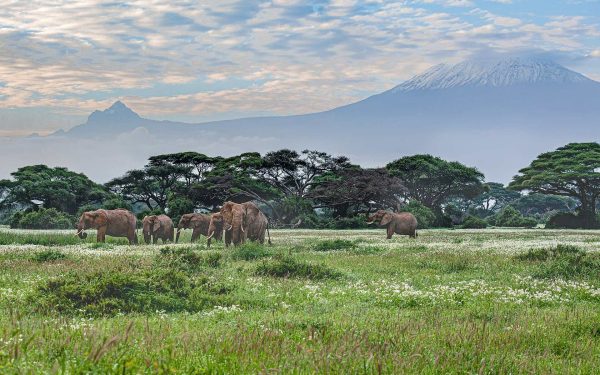
Amboseli National Park
Kenya's iconic park offering unrivalled views of Mount Kilimanjaro as a backdrop to large elephant herds.
Explore park →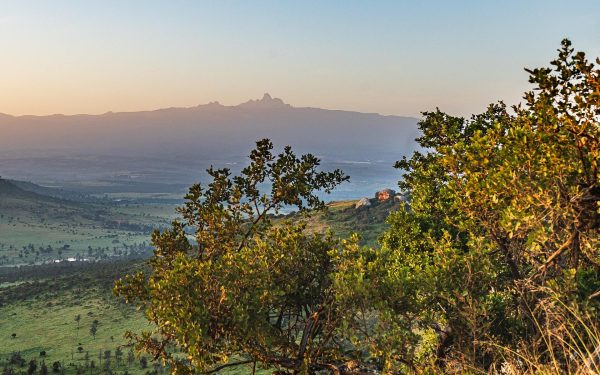 Conservation AreaBig Five
Laikipia Plateau
Kenya's wildlife heartland — a vast mosaic of private ranches and conservancies supporting more wildlife than any other…
Explore park →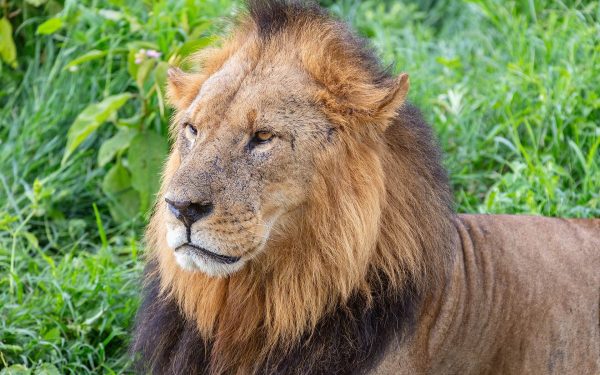 National Park
Lake Nakuru National Park
A compact Kenyan park famous for its flamingo-lined alkaline lake and excellent rhino conservation.
Explore park →Begin your journey
Ready to experience Lewa Wildlife Conservancy?
Tell us when you want to travel and what you want to see, and we will match you with the right safari.
Plan your safari