
Safaris
Safaris in Ol Pejeta Conservancy
3 safaris that visit the park.
Park guide
Ol Pejeta Conservancy guide
Overview
Ol Pejeta Conservancy lies on the Laikipia Plateau in central Kenya, between the Aberdare Range and Mount Kenya, just outside the town of Nanyuki. Covering about 360 km² of open plains, acacia woodland and riverine forest, it is a non-profit wildlife conservancy that combines tourism, wildlife protection and cattle ranching.
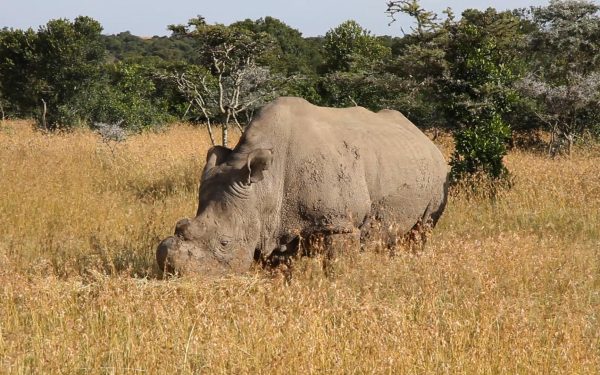
Ol Pejeta is best known for its rhinos. It is the largest black rhino sanctuary in East Africa and also protects a large population of southern white rhino. It is home to the world’s last two northern white rhinos, both females, cared for under round-the-clock protection while scientists work on assisted-reproduction techniques to save the subspecies.
Ol Pejeta was a cattle ranch for much of the twentieth century. In 2004 it was bought with the help of the conservation charity Fauna & Flora and turned into a non-profit conservancy, with the aim of protecting endangered species while showing that wildlife and livestock can thrive on the same land.
The conservancy also includes the Sweetwaters Chimpanzee Sanctuary, a refuge for orphaned and rescued chimpanzees, which are not native to Kenya. Revenue from tourism supports conservation and community programmes in the surrounding area, and Ol Pejeta’s cattle herds are managed alongside the wildlife.
Because it is easy to reach by road from Nairobi, Ol Pejeta is a popular first or last stop on a Kenya safari, and it pairs well with Lewa and Samburu.
Wildlife
All of the Big Five are found at Ol Pejeta: elephant, buffalo, lion, leopard, and black and white rhino. Cheetah, spotted and striped hyena, black-backed jackal and, at times, African wild dog also roam the conservancy.
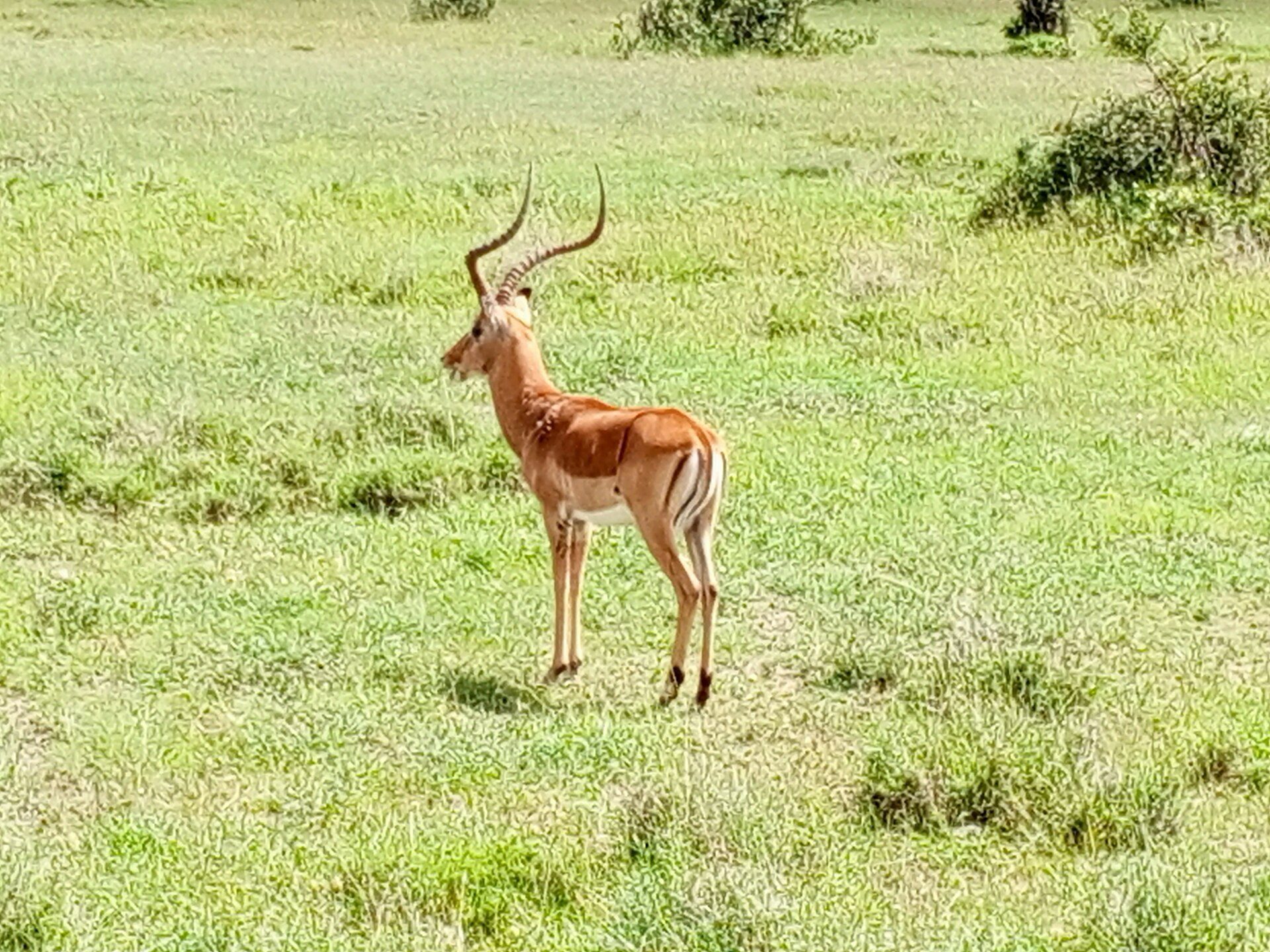
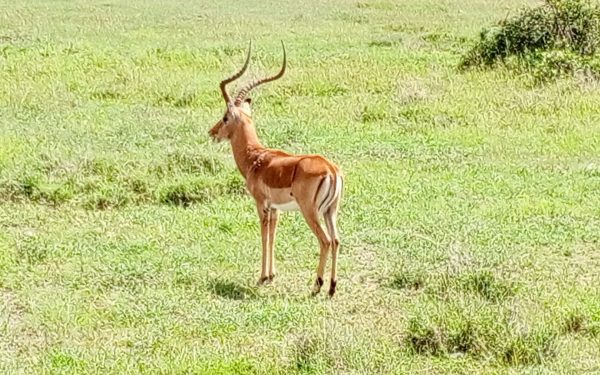
The plains support large numbers of plains zebra, Grevy’s zebra, reticulated giraffe, eland, Jackson’s hartebeest, impala, Grant’s and Thomson’s gazelle, oryx and waterbuck. Hippo live along the Ewaso Nyiro River, and more than 300 bird species have been recorded.
Key wildlife
Best Time to Visit
Short answer: Jun–Oct. Also good: Jan–Feb.
Peak Good Quieter
Ol Pejeta can be visited year-round. The dry seasons, from about June to October and from January to February, offer the best game viewing, with clear views of Mount Kenya on many mornings.
The long rains usually fall from around March to May and the short rains in November. The landscape turns green and there are fewer visitors, but some tracks can become muddy.
The conservancy lies on the equator at around 1,800 metres, so days are warm and nights can be cold. Malaria risk is low, but speak to a travel clinic before you travel.
Getting There
Ol Pejeta is about three to four hours by road from Nairobi, via Nanyuki. Gates are open from 07:00 to 19:00, and entry and exit are only through the Rongai and Serat gates. International visitors usually arrive at Jomo Kenyatta International Airport (NBO).
Scheduled light-aircraft flights from Nairobi’s Wilson Airport serve Nanyuki airstrip, about 30 minutes from the conservancy, and some camps also have their own airstrips.
The conservancy gates are cashless, and entry tickets can be booked online in advance.
Fees & Access
Entrance fees
Ol Pejeta’s 2026 tariff charges a daily entrance fee: a single entry for day visitors, or 24 hours for overnight guests. Non-resident adults pay US$110, children aged 3–11 US$55 and students US$32. East African citizens pay KSh 2,000 and East African residents KSh 3,500 per adult. A vehicle with up to six seats pays KSh 1,000. Children under 3 are free.
The gates are cashless, and tickets can be booked online in advance. Experiences such as meeting the northern white rhinos, lion tracking and night game drives are charged separately. Accommodation rates do not include the entry fee.
Gate hours
07:00–19:00. Entry and exit only through Rongai and Serat gates.
Health
Malaria risk: Low. Ask a travel clinic about antimalarials before you go.
Fees and gate times change. Check the latest rates with the park authority before you travel.
Things to Do
Game drives by day are the main activity, with good chances of rhino, lion and elephant.
Meeting the northern white rhinos is a moving experience that explains the efforts to save this subspecies.
Lion tracking and night game drives, run by the conservancy, give an insight into predator research and nocturnal wildlife.
The Sweetwaters Chimpanzee Sanctuary tells the story of rescued chimpanzees and the threats facing them in the wild.
Guided bush walks, bird walks and behind-the-scenes conservation experiences are also available.
Explore other parks in northern Kenya, such as Lewa and the Laikipia Plateau, browse all safaris, or plan your safari with us.
Location
Where is Ol Pejeta Conservancy?
Good to know
Ol Pejeta Conservancy FAQs
How much does it cost to enter Ol Pejeta?
For 2026, non-resident adults pay US$110, children aged 3–11 US$55 and students US$32. East African citizens and residents pay in shillings. Entry is a single entry for day visitors or 24 hours for overnight guests, and the gates are cashless.
Can you see the northern white rhinos at Ol Pejeta?
Yes. Ol Pejeta is home to the world’s last two northern white rhinos, both females. Visits can be booked as a separate experience.
Are there chimpanzees at Ol Pejeta?
Yes, at the Sweetwaters Chimpanzee Sanctuary, a refuge for orphaned and rescued chimpanzees. Chimpanzees are not native to Kenya.
What are the gate times at Ol Pejeta?
Gates are open from 07:00 to 19:00, and entry and exit are only through the Rongai and Serat gates.
How far is Ol Pejeta from Nairobi?
Ol Pejeta is about three to four hours by road from Nairobi via Nanyuki. Scheduled flights from Wilson Airport serve Nanyuki airstrip.
Can you see the Big Five at Ol Pejeta?
Yes. Elephant, buffalo, lion, leopard and black and white rhino all live in the conservancy.
Keep exploring
More parks in Kenya
 National Park
Amboseli National Park
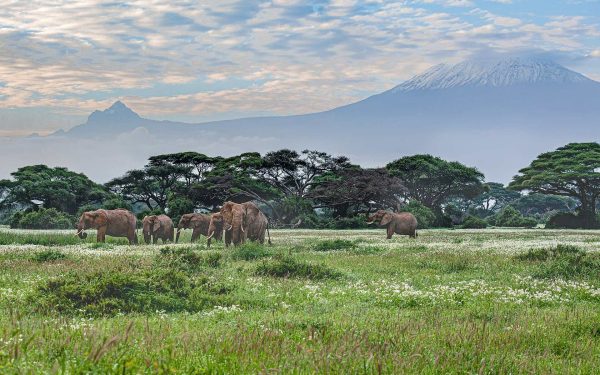
Kenya's iconic park offering unrivalled views of Mount Kilimanjaro as a backdrop to large elephant herds.
Explore park →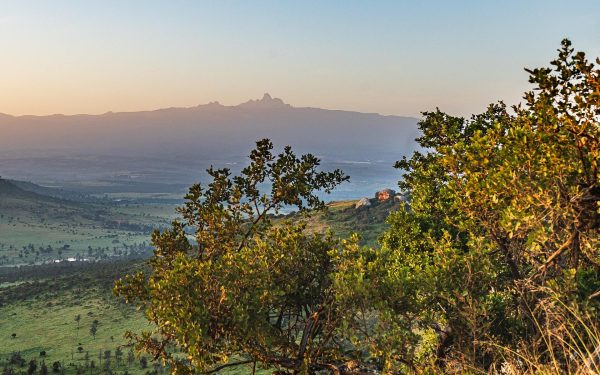 Conservation AreaBig Five
Laikipia Plateau
Kenya's wildlife heartland — a vast mosaic of private ranches and conservancies supporting more wildlife than any other…
Explore park →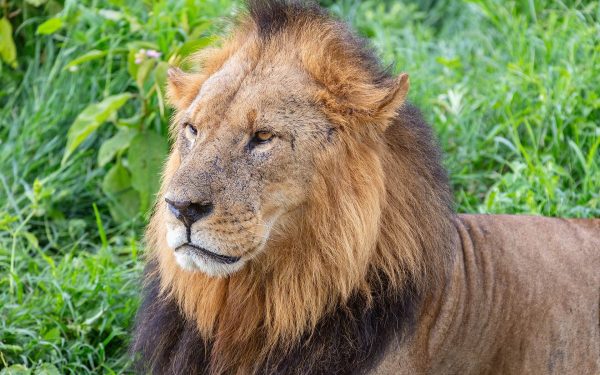 National Park
Lake Nakuru National Park
A compact Kenyan park famous for its flamingo-lined alkaline lake and excellent rhino conservation.
Explore park →Begin your journey
Ready to experience Ol Pejeta Conservancy?
Tell us when you want to travel and what you want to see, and we will match you with the right safari.
Plan your safari