

Tanzania is the only country in Africa where you can watch the Great Migration calving season in January, the Grumeti River crossings in June, the Mara River crossings in August, and the herds beginning their return south in November, all within a single national park. The Serengeti is that large, and the Migration moves through it that completely.
This makes Tanzania a more complex planning proposition than most safari destinations. The right time to visit depends not just on the season but on which part of the country you are visiting and which phase of the Migration you want to see. This guide covers Tanzania’s main safari areas month by month, with a clear breakdown of what each season delivers and who it suits.
Tanzania’s safari seasons at a glance
Tanzania follows a broadly similar seasonal pattern to Kenya, with two rainy seasons and two drier periods. The key difference from southern Africa is that the Serengeti offers meaningful game viewing year-round, with the season affecting the migration experience more than the resident wildlife.
| Period | Months | Character |
|---|---|---|
| Short dry season | December to February | Warm and dry. Calving season in southern Serengeti. Good general game viewing. Lower rates than peak. |
| Long rains | March to May | Wettest period. Some road closures in remote areas. Very low rates, minimal crowds. Strong birding. |
| Peak dry season | June to October | Classic safari conditions. Migration river crossings. Highest rates and demand. Outstanding wildlife. |
| Short rains | November | Brief afternoon showers. Herds moving south. Good game viewing, lower rates, lush landscapes building. |
Note for 2026 travellers: &Beyond Ngorongoro Crater Lodge is closed for a full rebuild throughout 2026 and is scheduled to reopen in January 2027. If Ngorongoro Crater Lodge was on your shortlist, alternatives include Lemala Ngorongoro and Entamanu Ngorongoro. Verify current property status with your operator before booking any Ngorongoro accommodation.
The Migration by month: where the herds are
Understanding the Migration calendar is the key to planning a Tanzania safari, and our guide to the Great Migration path sets out the full annual loop. The herds follow a predictable annual circuit driven by rainfall and grazing. The specific timing varies year to year, but the broad pattern is consistent.
| Month | Where the herds are | Migration highlight |
|---|---|---|
| Jan–Feb | Southern Serengeti and Ndutu (Ngorongoro Conservation Area) | Calving season. Around 8,000 wildebeest calves born daily at peak. Intense predator activity. |
| March | Southern and central Serengeti | Calving ending. Herds beginning to drift northwest. Long rains arriving late in the month. |
| April–May | Central and western Serengeti | Herds moving through the western corridor. Long rains. Some tracks impassable. |
| June | Western corridor (Grumeti River) | Grumeti River crossings begin. Crocodiles and lions at crossing points. Dry season establishing. |
| July | Northern Serengeti (Kogatende/Lamai area) | Herds massing at the Mara River. First major crossings into Kenya. Peak season begins. |
| Aug–Sep | Northern Serengeti and Masai Mara (Kenya) | Peak river crossings. Herds moving back and forth across the Mara River. Highest demand. |
| October | Northern Serengeti, beginning drift south | Herds starting southward return. Short rains approaching. Strong resident predator activity. |
| November | Central and southern Serengeti | Short rains trigger southward movement. Herds heading to calving grounds. Landscape greening. |
| December | Southern Serengeti | Herds settling on southern plains ahead of calving. Good general game viewing. Rates easing. |
Month-by-month guide for the main safari areas
| Month | Serengeti | Ngorongoro Crater | Tarangire | Rates |
|---|---|---|---|---|
| January | Exceptional. Calving on southern plains. Predator action outstanding. Southern Serengeti and Ndutu the focus. | Good year-round. Clear skies, good visibility. Black rhino sightings possible. | Good. Elephants still concentrated along the river. | Mid-range |
| February | Peak calving. Some of the best predator sightings of the year. Photography outstanding. | Good. Warmer with occasional brief showers. Wildlife consistently present. | Good. Dry conditions, concentrated wildlife. | Mid-range |
| March | Good early in the month. Long rains begin mid to late March. Herds drifting northwest. | Good. Crater floor green and photogenic. Fewer vehicles than peak. | Good early March. Roads can become difficult later in the month. | Low to shoulder |
| April | Long rains. Some tracks closed. Lush and green. Very few vehicles. Strong birding. | Beautiful. Green crater floor, dramatic skies. Near-empty. Some rim lodges may close. | Some areas impassable. Wildlife viewing reduced. Not recommended for first visits. | Low (best rates of year) |
| May | Rains tapering. Herds in western corridor. Still quiet. Excellent value. | Rains easing. Crater access usually maintained. Very quiet. | Rains tapering. Wildlife beginning to concentrate again. | Low |
| June | Dry season begins. Grumeti crossings. Central Serengeti excellent. Rates rising. | Excellent. Short grass, clear skies, good visibility. Crowds manageable. | Outstanding. Elephant herds building at the river. One of the best months. | Mid to high |
| July | Outstanding. Northern Serengeti, herds arriving. First Mara River crossings. Peak season. | Excellent but crowded. Highest vehicle numbers at rim and crater floor. | Peak elephant season. Herds of 300 or more at the Tarangire River. | Peak |
| August | Peak. Northern Serengeti river crossings at their most frequent. Busiest month. | Busy but outstanding. Black rhino easier to spot in short dry-season grass. | Peak elephant and predator activity. Very good. | Peak |
| September | Still excellent. Crossings continuing. Slightly fewer vehicles than August. | Excellent. Rates beginning to ease toward month end. | Still strong. Elephant numbers remain high. | Peak to high |
| October | Herds drifting south. Hot and dry. Resident predator activity strong. Good value. | Good. Short rains can arrive late in the month. Fewer vehicles than peak. | Still excellent. Some animals beginning to disperse as rains approach. | High to mid |
| November | Short rains. Green season beginning. Herds moving south. Quieter, good rates. | Good. Crater rim can be misty. Some dramatic skies and light. | Short rains. Wildlife beginning to disperse as water becomes available elsewhere. | Low to shoulder |
| December | Good general game viewing. Herds on southern plains. Early festive rates. | Good. Festive period sees demand rise in the second half of December. | Less reliable as animals disperse with rains. Not the best Tarangire month. | Mid (festive premium from mid-December) |
Best months for specific goals
Best for the calving season
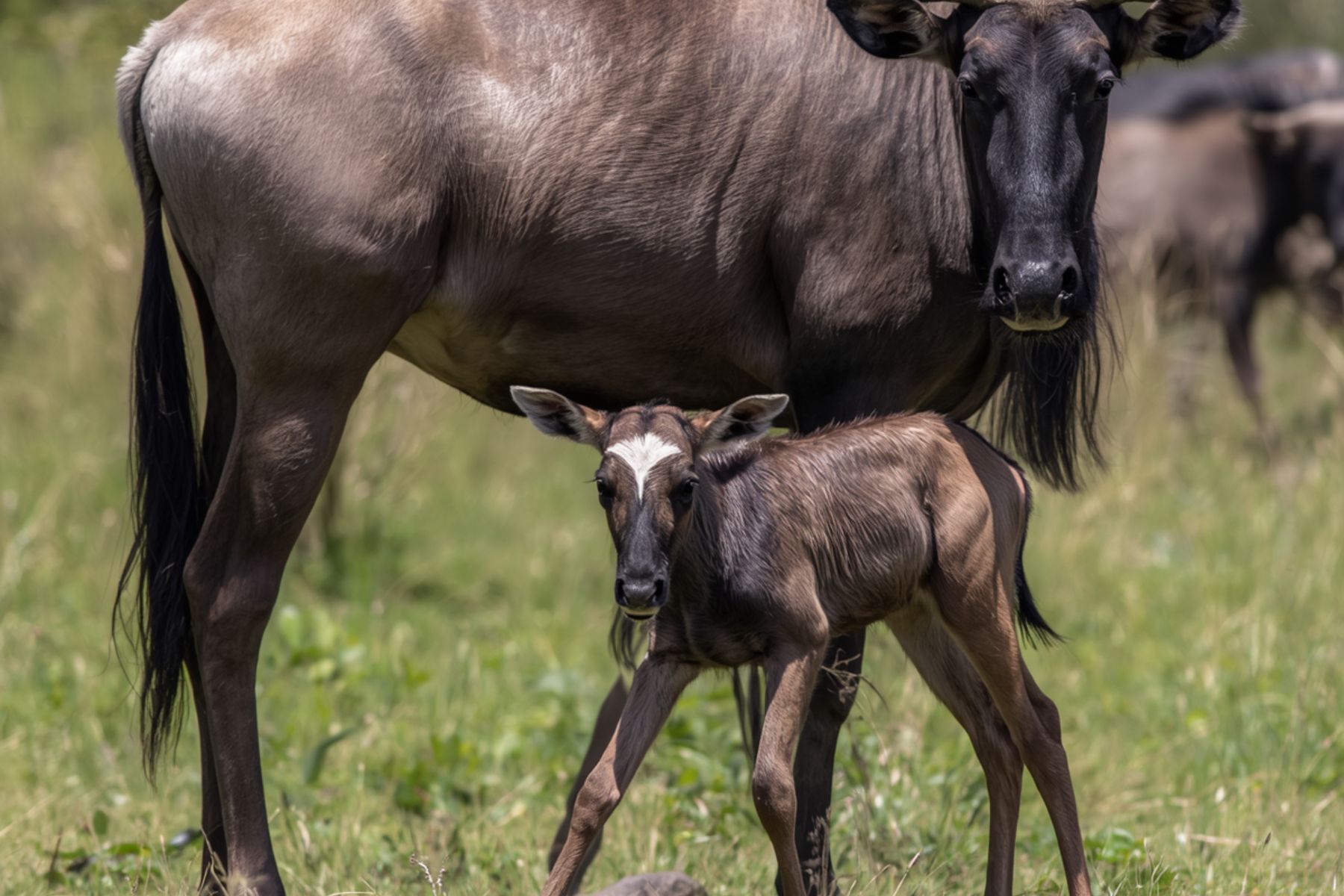
January and February, in the southern Serengeti around Ndutu and the Ngorongoro Conservation Area boundary. Around 8,000 wildebeest calves are born daily at the peak of the season, and the predator response (cheetah, lion, leopard and hyena all converging on the calving herds) is among the most intense wildlife spectacles in Africa. This period is seriously underrated compared to the river crossings: fewer vehicles, lower rates, and a level of predator activity that is difficult to match anywhere else on the continent. A balloon safari over the Ndutu plains in February, with calving herds stretching to the horizon, is one of the defining Tanzania experiences.
Best for the river crossings
July to September in the northern Serengeti (Kogatende and Lamai areas). The Mara River crossings are the most dramatic phase of the Migration and justify the peak-season rates. July sees the first major crossings; August and September see the highest frequency. The northern Serengeti is significantly less visited than the central Seronera area and feels far more remote, despite the seasonal concentration of safari vehicles at crossing points. Stay in the north for this period rather than driving up from a central Serengeti camp, as the distances are significant.
Best value without sacrificing wildlife
June and early October. June sits at the start of peak season, before the highest rates kick in and before the main Migration crowds arrive in the north. The dry season is establishing, Tarangire is outstanding for elephants, and Ngorongoro is excellent. Early October sees rates beginning to ease as the peak season winds down, while the northern Serengeti still has strong Migration activity and resident predators are at their most active ahead of the short rains. Both months represent genuine value relative to July and August.
Best for birding
November to April. Tanzania hosts over 1,000 recorded bird species, with Palearctic migrants arriving from November and resident species in breeding plumage through the wet season. The Ngorongoro Crater floor in the wet season can carry extraordinary flamingo and waterbird concentrations. Lake Manyara in the green season is also outstanding, with tree-climbing lions year-round and migratory birds arriving in large numbers from November.
Best for avoiding crowds
April and May. The long rains keep most visitors away, and the parks feel genuinely wild and private. The trade-off is road accessibility in some areas and the closure of certain remote camps. A fly-in safari to the central Serengeti in May, staying at a camp that remains open year-round, can deliver an extraordinary experience at the lowest rates of the year. If exclusivity matters as much as the season, this is the answer.
Beyond the northern circuit
The northern circuit (Serengeti, Ngorongoro Crater, Tarangire and Lake Manyara) dominates most Tanzania itineraries, but the country has two other safari circuits worth knowing about.
The southern circuit, anchored by Nyerere National Park (formerly the Selous Game Reserve) and Ruaha National Park, is best visited in the dry season from June to October. Both parks are remote, significantly less visited than the north, and offer a genuinely wilderness experience. Ruaha in particular is excellent for large predator numbers, including a population of wild dog. Both require fly-in access from Dar es Salaam.
The western circuit, centred on Mahale Mountains (chimpanzees on the shore of Lake Tanganyika) and Gombe Stream, is accessible year-round but best in the dry season from May to October. These are specialist destinations for travellers who have already done the northern circuit and want something completely different.
A note on logistics
Tanzania’s northern circuit is most efficiently covered by light aircraft. Driving between Arusha, the Serengeti, Ngorongoro and Tarangire is possible and covers spectacular scenery, but distances are significant and road quality varies. For any itinerary that covers more than two parks, a combination of road and air is the practical standard. Verify current charter flight schedules and airstrip access with your operator, as these change seasonally and by camp.
Park fees in Tanzania are set by Tanzania National Parks (TANAPA) and the Ngorongoro Conservation Area Authority and are updated periodically. Fees are typically included in lodge rates for camps inside the parks; for road-based itineraries they are charged separately. Verify current fees with your operator before booking, as they change and the figures published on aggregator sites are frequently out of date.
Questions about timing a Tanzania safari
Is Tanzania good for safari outside Migration season?
Absolutely. The Serengeti’s resident wildlife (lion, leopard, elephant, buffalo, cheetah, giraffe and hippo) is present year-round and in large numbers. The Ngorongoro Crater concentrates wildlife on its floor throughout the year and is one of the most reliable Big Five destinations in Africa regardless of season. Tarangire in June to October, with elephant herds of several hundred animals, is one of the great African wildlife spectacles and has nothing to do with the Migration.
How far ahead should I book?
For northern Serengeti camps during July to September river crossing season, twelve months ahead is not excessive, since the best camps have few beds and fill quickly once the peak season opens. For calving season in January and February, six to eight months ahead is generally adequate. For the green season (April and May), three to four months is usually sufficient, though the best camps remain popular even then.
Can I combine Tanzania with Zanzibar?
Yes, and this is one of Africa’s most satisfying single-country combinations. Zanzibar is best visited from June to October (dry season, calm Indian Ocean) and December to February. Either window aligns well with a northern circuit safari. Internal flights between Arusha or the Serengeti airstrips and Zanzibar are well-established and typically under two hours.
Plan your Tanzania safari
Tanzania rewards careful timing more than almost any other safari destination. The right month, in the right part of the country, for the right phase of the Migration cycle, produces one of the great wildlife experiences on earth. The wrong combination produces a perfectly good safari in a country that is capable of delivering something extraordinary.
Tell us when you can travel and which part of the Migration cycle matters most, and we will build the route around it. See our Tanzania luxury safaris or plan your safari with a specialist.