

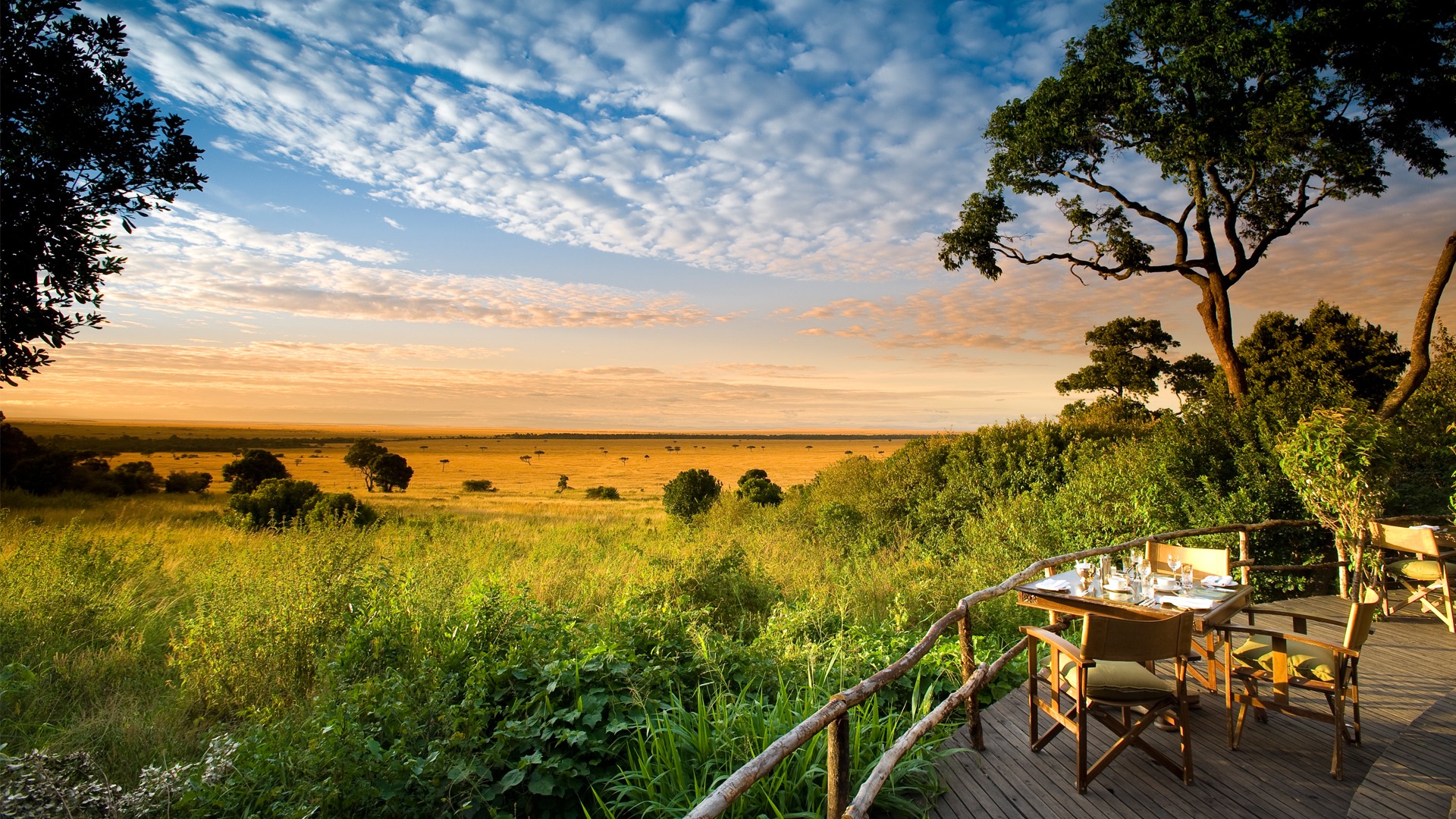
Kenya is a year-round safari destination, and the Masai Mara never stops delivering wildlife. But the time of year you go shapes the experience fundamentally. August in the Mara gives you wildebeest by the hundred thousand and river crossings that stop your heart. February gives you cheetah hunting on near-empty plains, half the park fees and a fraction of the vehicles. Both are Kenya. Both are worth the trip. They are completely different safaris.
This guide covers Kenya month by month, with particular focus on the Masai Mara. It covers the two dry seasons, the rainy periods, the Great Migration window, park fees and what each month actually delivers on the ground.
Kenya’s safari seasons at a glance
Kenya has two dry seasons and two rainy seasons each year, which is different from the single wet and dry pattern of southern Africa. Understanding this pattern is the key to reading the month-by-month guide below.
| Period | Months | Character |
|---|---|---|
| Short dry season | January to March | Warm, dry, good game viewing, lower crowds and fees than peak. Calving season. |
| Long rains | April to June | Wettest period. Some road closures. Low rates, few tourists, strong birding. |
| Peak dry season | July to October | The Great Migration in the Mara. Highest fees and demand. Outstanding wildlife. |
| Short rains | November to December | Rains usually brief. Good game viewing, lower fees, herds moving south again. |
Park fees in the Masai Mara National Reserve are set by Narok County and double during peak season. International visitors pay around $100 per person from January to June and $200 from July to December. Since July 2024 the ticket is valid for 12 hours rather than 24, so guests staying inside the reserve can be charged for two entries across a single day and night. Verify current rates at the Narok County portal or with your operator before booking, as these change. KWS-managed parks (Amboseli, Lake Nakuru, Samburu) use separate fee structures through the Kenya Wildlife Service.
Month-by-month guide
| Month | Season | Wildlife highlight | Crowds | Fees (Mara) |
|---|---|---|---|---|
| January | Short dry | Calving season. Predator activity high around newborns. Good big cat sightings. Migratory birds present. | Low | $100/day |
| February | Short dry | Peak calving. Cheetah and lion especially active. Clear skies, excellent photography. One of the most underrated months. | Low | $100/day |
| March | Transition | Long rains begin late in the month. Early March often still dry and excellent. Birding building. | Low | $100/day |
| April | Long rains | Wettest month. Some tracks impassable. Baby animals widespread. Birding excellent. Some camps close. | Very low | $100/day |
| May | Long rains | Still wet but easing. Lush and photogenic. Newborn animals attract predators. Fly-in recommended. | Very low | $100/day |
| June | Early dry | Rains ending. Vegetation still lush. Good general game viewing. Migration herds building in Serengeti, not yet in the Mara. | Moderate | $100/day |
| July | Peak dry | Migration herds arrive in the Mara. River crossings begin. Outstanding predator activity. Peak season starts. | High | $200/day |
| August | Peak dry | Peak Migration month. Highest wildebeest density and most frequent river crossings. Busiest and most expensive month. | Very high | $200/day |
| September | Peak dry | Migration still strong. Slightly fewer vehicles than August. Excellent general game viewing alongside the herds. | High | $200/day |
| October | Late dry | Migration beginning to move south. Hot and dry. Strong resident predator activity. Rates starting to ease. | Moderate to high | $200/day |
| November | Short rains | Short rains arrive, usually as afternoon showers rather than all-day rain. Good game viewing, lower fees, herds heading south. | Low to moderate | $200/day |
| December | Short rains / festive | Early December is genuine value. Festive period (15 Dec to 1 Jan) carries peak pricing and demand despite off-season conditions. | Low (early) / High (festive) | $200/day |
The Great Migration window in Kenya
The wildebeest herds cross from Tanzania’s Serengeti into the Masai Mara broadly between July and October, with the Mara River crossings at their most frequent and dramatic in August and September. This is what draws the peak-season crowds and the doubled park fees.
A few things that are worth knowing before you plan around the Migration.
The crossing dates cannot be predicted. A specific crossing at a specific river point on a specific date is impossible to guarantee. The herds move according to rainfall, grass availability and instinct, not a schedule. Experienced guides and operators track herd movement closely, but any operator or website that offers precise crossing dates should be treated with scepticism. Book a window of three to four nights in August or September and come with open expectations.
The private conservancies bordering the Mara offer a significantly different experience from the national reserve during peak season. The Mara conservancies, including Mara North, Olare Motorogi and Naboisho, cap the number of vehicles per sighting, permit off-road driving and allow night drives. The Migration herds pass through parts of these conservancies, giving you a comparable wildlife experience with a fraction of the vehicle congestion. Conservancy camp rates are higher than national reserve camps, but for many travellers the exclusivity justifies the premium.
For a full explanation of the annual Migration cycle across both Kenya and Tanzania, see our guide to the Great Migration path explained.
The best months for specific goals
Best for the Great Migration and river crossings
August and September. The herds are in the Mara in the largest numbers, crossings are most frequent, and predator activity around the migration is at its annual peak. Expect peak fees, high lodge demand and significant vehicle numbers at major sightings in the national reserve. Book conservancy camps for a more exclusive experience.
Best value without sacrificing wildlife
January and February. This is Kenya’s most underrated safari window. The short dry season delivers clear skies, excellent predator activity around the calving herds, and park fees at $100 per day rather than $200. Vehicle numbers are a fraction of the July to October peak. Cheetah sightings in the Mara’s open plains during calving season can be exceptional.
Best for birding
November to April. Kenya hosts over 1,000 recorded bird species, with Palearctic migrants present through the wet season and resident species in breeding plumage from November. The Mara alone records over 450 species. Any Kenya itinerary in the wet season should include a dedicated birding component.
Best for avoiding crowds
April, May and early June. The long rains keep most tourists away. Roads in some areas become difficult, and a fly-in safari is strongly recommended if you are travelling in April or May. The reward is the Masai Mara with near-empty plains. Some camps close for maintenance during this period, so confirm availability well in advance.
Best for photography
Two windows suit different photographic ambitions. January and February offer open plains, dramatic predator action and clear light without the peak-season vehicle congestion. July to September offer the sheer spectacle of the Migration, dramatic river crossings and the kind of large-scale wildlife scenes that are difficult to find anywhere else. Both are strong; the choice depends on what you want to come home with.
Beyond the Masai Mara
Kenya’s safari circuit extends well beyond the Mara, and different parks have their own seasonal rhythms.
Amboseli National Park, in the shadow of Mount Kilimanjaro, is best from January to March and June to October, when skies are clear and the mountain visible. Large elephant herds are the signature draw year-round. Lake Nakuru and Lake Naivasha in the Rift Valley are good for flamingos and birdlife year-round, with the wet season bringing the largest flamingo aggregations. Samburu National Reserve in the north is drier year-round and particularly good from June to October, with a distinct set of species (Grevy’s zebra, reticulated giraffe, gerenuk) not found in the Mara.
A well-structured Kenya itinerary combines the Mara with one or two other parks, and the seasonal timing for each should be considered together when booking.
A note on getting to the Masai Mara
The Masai Mara is roughly 270 kilometres southwest of Nairobi by road. The drive takes five to six hours on a good day and longer in traffic or after rain. Most luxury travellers fly in by light aircraft from Wilson Airport in Nairobi, a journey of around 45 minutes. Several scheduled services operate daily, connecting the main Mara airstrips with Nairobi and with other Kenyan parks. Charter options are also available. Verify current flight schedules and airstrip access with your operator, as these change seasonally.
Questions about timing a Kenya safari
Is it worth going to Kenya outside Migration season?
Absolutely. The Masai Mara has one of the highest densities of resident wildlife in Africa, year-round. Lion, leopard, elephant, buffalo, cheetah and hyena are all present in large numbers regardless of whether the Migration herds are in the reserve. January and February in particular offer outstanding predator sightings at a significantly lower cost and with far fewer vehicles. Many experienced safari travellers actively prefer Kenya outside peak Migration season.
Can you guarantee seeing a river crossing?
No, and any operator that tells you otherwise is overstating what is possible. River crossings happen when the herds decide to cross, and the timing is unpredictable. A three or four-night window in August or September gives you a strong chance, but it is not a certainty. Come with the understanding that even without a crossing, August in the Mara is extraordinary.
How does the Masai Mara compare to the Serengeti?
They are two parts of the same ecosystem and the comparison comes down to timing, style and budget as much as wildlife. For a full breakdown, see our guide comparing the Masai Mara and the Serengeti.
Plan your Kenya safari
Kenya rewards visitors in every season. The right month depends on your priorities, your budget and how you feel about crowds. Our specialists can help you match your travel window to the experience you are after.
Tell us your travel window and whether the Migration or the quiet plains matter more, and we will build the itinerary around it. Plan your safari with a specialist, or browse our Kenya safari itineraries.