
Safaris
Safaris in Lake Manyara National Park
1 safari that visits the park.
Park guide
Lake Manyara National Park guide
Overview
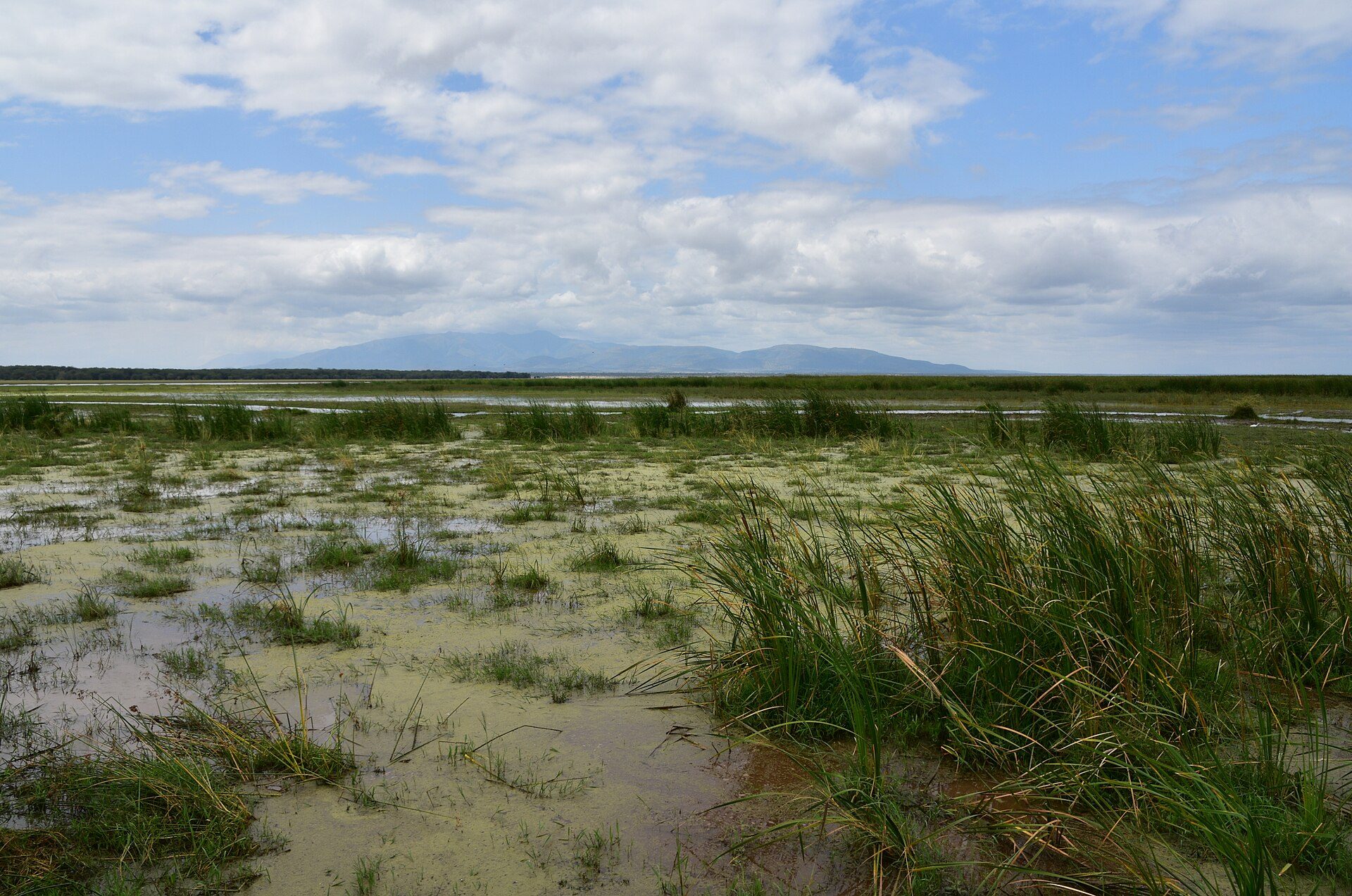
Lake Manyara National Park is a compact, beautiful park at the foot of the Great Rift Valley escarpment in northern Tanzania. Declared a national park in 1960, it covers about 325 km², of which around 230 km² is the surface of the shallow, alkaline Lake Manyara itself. The park lies between the steep wall of the escarpment and the lake shore, packing an extraordinary variety of habitats into a narrow strip of land: lush groundwater forest, acacia woodland, open grassland, swamps and hot springs.
The setting is spectacular. Driving down from the escarpment, you look out over the lake, which can shimmer pink with flamingos at times, while the forest below is fed by springs that keep it green all year. The park is also part of the Lake Manyara Biosphere Reserve, recognised by UNESCO’s Man and the Biosphere Programme in 1981.
Lake Manyara is an easy and rewarding stop on the northern Tanzania circuit, sitting on the road between Arusha and Ngorongoro Crater. Many travellers visit on a half-day or full-day game drive, while others stay at lodges on the escarpment or nearby, enjoying sweeping views across the Rift Valley.
Wildlife
Lake Manyara is famous for its tree-climbing lions, which are sometimes seen resting in the branches of acacia and mahogany trees. The behaviour is not seen every day, and sightings vary, but it is one of the park’s most talked-about features.
The groundwater forest near the entrance is home to large troops of olive baboons and blue monkeys, and is a good place to see bushbuck. Elephants are common, often moving through the forest or along the lake shore, and buffalo, giraffe, zebra, wildebeest, impala and waterbuck graze the grasslands. Hippos can be watched at close range at the hippo pool. Leopards are present but rarely seen. Rhino are no longer found here, so it is not a Big Five park.
Birdlife is the other great draw. More than 390 species have been recorded in the park, making it one of the best birding destinations in northern Tanzania. Depending on water levels, the lake can attract large numbers of flamingos, along with great white pelicans, yellow-billed storks, spoonbills and a variety of waders. The forest and woodland add hornbills, turacos and raptors.
Key wildlife
Best Time to Visit
Short answer: Jun–Oct. Also good: Nov–Feb.
Peak Good Quieter
For game viewing, the dry season from June to October is the best time to visit Lake Manyara. Vegetation thins, wildlife is easier to see, and roads are in good condition. It is also the busiest time, as the park is a popular stop on northern circuit safaris.
The wet season, from about November to May, is the best time for birding, when migrant birds arrive and water birds are often present in larger numbers. The forest and grasslands are at their greenest, and the waterfalls along the escarpment can be impressive. The long rains, usually from March to May, can make some roads muddy, but the park remains accessible.
Getting There
Lake Manyara is about two hours’ drive from Arusha on a good tarred road, with the park gate close to the village of Mto wa Mbu. Kilimanjaro International Airport (JRO) is the main international gateway, and Arusha Airport (ARK) handles domestic flights.
Lake Manyara Airstrip (LKY), on top of the escarpment, is served by scheduled light-aircraft flights linking Arusha, the Serengeti and other parks. It is convenient for both Lake Manyara and Ngorongoro.
The park is around an hour’s drive from Tarangire National Park and about an hour from the Ngorongoro Crater rim, which makes it easy to fit into almost any northern Tanzania itinerary.
Fees & Access
Entrance fees
Conservation fees are set by Tanzania National Parks (TANAPA) and charged per person per 24 hours. In peak season (16 May 2026 to 14 March 2027) non-resident adults pay US$50 plus 18% VAT (US$59.00); TANAPA quotes this as TZS 127,750. In the low season (15 March to 15 May) the rate is US$45 plus VAT (US$53.10). Children aged 5–15 pay US$15 plus VAT (US$17.70), and under-5s enter free.
Fees are paid electronically and are normally included in your lodge or safari package.
Gate hours
Game driving 06:00–18:00; night game drives with authorised operators only.
Health
Malaria risk: Moderate. Ask a travel clinic about antimalarials before you go.
Fees and gate times change. Check the latest rates with the park authority before you travel.
Things to Do
Game drives through the forest, woodland and lake shore are the main activity, and the park’s compact size means a lot can be seen in a few hours.
The treetop walkway takes you through the forest canopy on a series of suspension bridges, offering a different perspective on the trees, birds and monkeys.
Night game drives are available with authorised operators, a rare opportunity in a Tanzanian national park to look for nocturnal animals.
Canoeing on the lake is possible when water levels allow, offering close views of water birds and hippos.
Cultural and cycling tours in and around Mto wa Mbu, a lively village with people from many different groups, are an interesting addition to a visit.
See our Tanzania luxury safari, explore the Serengeti, browse all safaris, or plan your safari with us.
Location
Where is Lake Manyara National Park?
Good to know
Lake Manyara National Park FAQs
How much are Lake Manyara National Park fees?
For 16 May 2026 to 14 March 2027, non-resident adults pay US$50 plus 18% VAT (US$59.00) per 24 hours, and children aged 5–15 pay US$15 plus VAT (US$17.70). Under-5s are free. From 15 March to 15 May the adult rate is US$45 plus VAT (US$53.10). Fees are usually included in a safari package.
Are the tree-climbing lions of Lake Manyara always seen?
No. Lions in Lake Manyara sometimes rest in acacia and mahogany trees, but the behaviour is not seen every day and sightings vary from year to year.
Is Lake Manyara worth visiting?
Yes, especially as a half-day or full-day stop between Arusha and Ngorongoro. In a small area you get groundwater forest, lake shore, elephants, baboons and more than 390 bird species.
When is the best time to visit Lake Manyara?
June to October is best for game viewing. November to May is the best time for birding, when migrant birds arrive and the park is at its greenest.
How do you get to Lake Manyara?
The park gate is about two hours from Arusha by road, near Mto wa Mbu. Lake Manyara Airstrip (LKY), on the escarpment above the park, has scheduled light-aircraft flights.
What activities are there at Lake Manyara besides game drives?
You can walk the treetop walkway through the forest canopy, go on a night game drive with an authorised operator, canoe on the lake when water levels allow, or take a cultural or cycling tour in Mto wa Mbu.
Keep exploring
More parks in Tanzania
 Conservation AreaBig Five
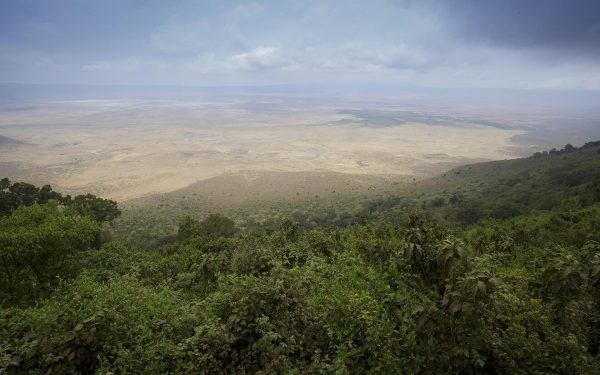
Ngorongoro Crater
A UNESCO World Heritage Site and the world's largest intact volcanic caldera — home to an extraordinary concentration…
Explore park →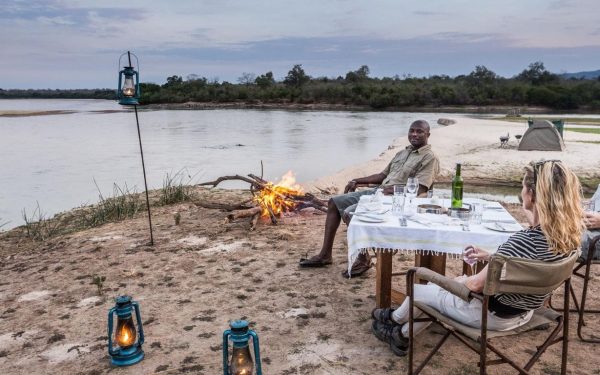 National Park
Nyerere National Park
Africa's largest national park — formerly the Selous Game Reserve — a vast and remote wilderness in southern…
Explore park → National ParkBig Five
Serengeti National Park
Tanzania's most iconic park and stage for the Great Migration — the largest overland wildlife movement on the…
Explore park →Begin your journey
Ready to experience Lake Manyara National Park?
Tell us when you want to travel and what you want to see, and we will match you with the right safari.
Plan your safari