
Safaris
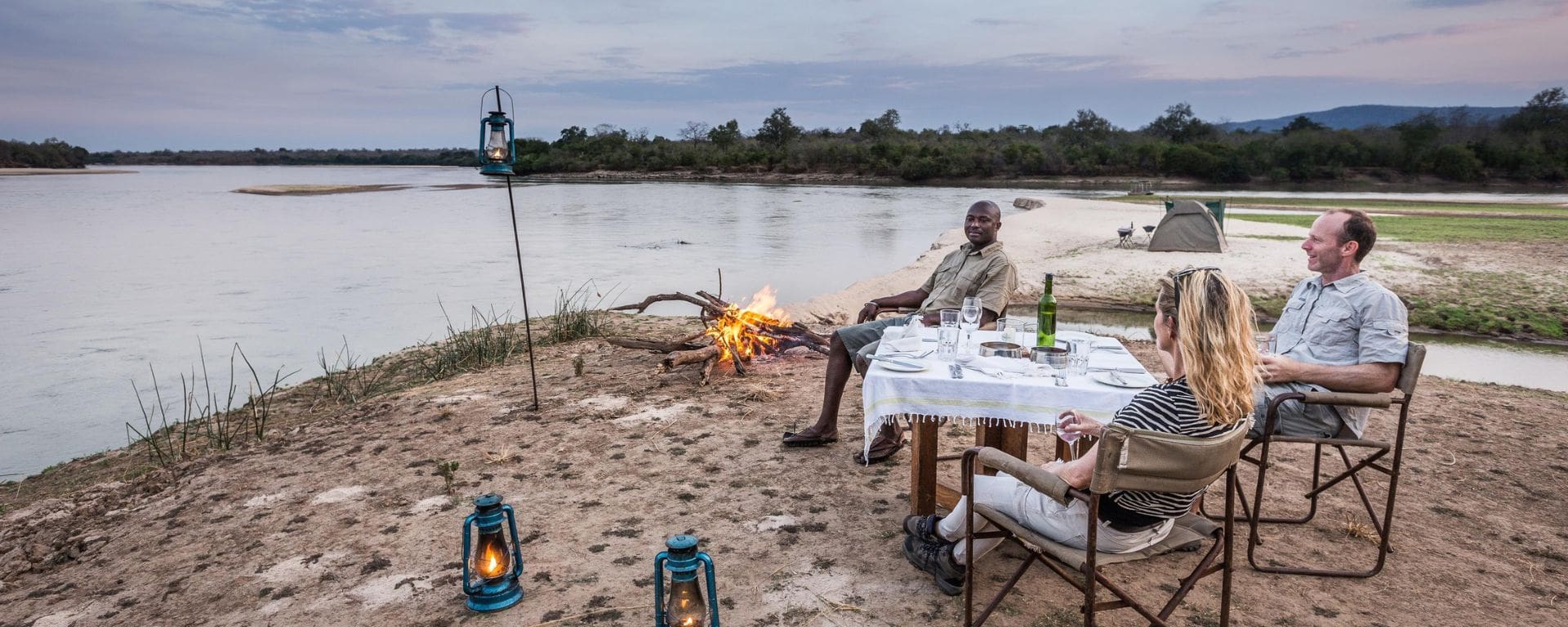
Safaris in Nyerere National Park
3 safaris that visit the park.

Park guide
Nyerere National Park guide
Overview
Nyerere National Park, in southern Tanzania, is the country’s largest national park and one of the biggest protected areas in Africa. Covering 30,893 km², it was created in 2019 from the northern part of the vast Selous Game Reserve, an area with a conservation history going back more than a century. The reserve was named after the hunter-turned-conservationist Frederick Selous in 1922, and UNESCO inscribed the Selous as a World Heritage Site in 1982 for its wilderness and wildlife. The park is named after Julius Nyerere, Tanzania’s first president.
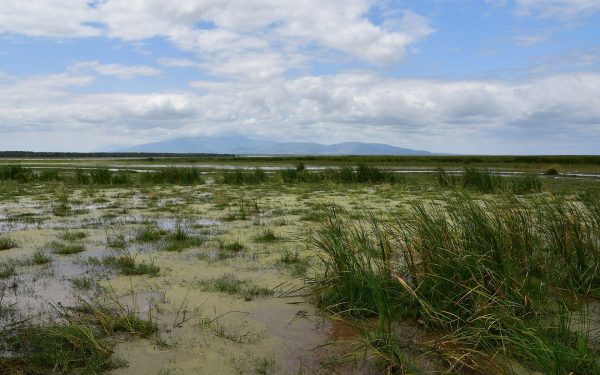
The park’s heart is the Rufiji River, the largest river in Tanzania, which winds through the landscape in braided channels and feeds a chain of lakes, lagoons and swamps. Tall borassus palms line the waterways, and the surrounding miombo woodland, grassland and rocky hills give the park a wild, varied feel quite different from the open plains of northern Tanzania.
What makes Nyerere stand out is its remoteness and the variety of ways to explore it. Visitor numbers are low compared with the northern circuit, and most lodges and camps are concentrated along the river and lakes in the north of the park, where you can combine game drives with boat safaris and walking, something few other Tanzanian parks offer. It pairs beautifully with Ruaha in a southern Tanzania fly-in safari, or with a beach stay on Zanzibar.
Wildlife
Nyerere is one of Africa’s most important strongholds for the African wild dog, and the open woodlands around the lakes are among the best places in East Africa to see these endangered predators, especially when they are denning in the middle of the dry season. Lions are common, and leopard, spotted hyena and the occasional cheetah are also seen.
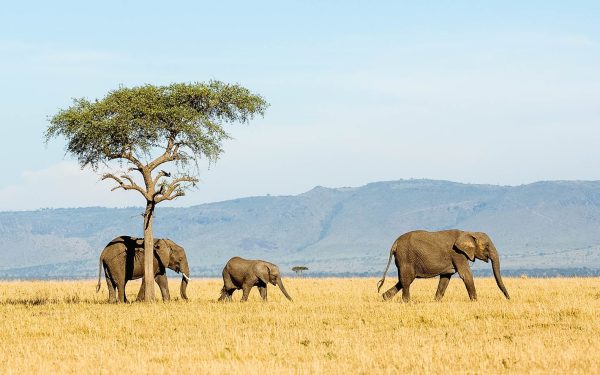
The Rufiji and its lakes support large numbers of hippo and Nile crocodile, which you can watch at close range on a boat safari. Elephant and buffalo herds move through the woodland and come down to the water to drink. The Selous elephant population was badly hit by poaching in the past, and protection has since been stepped up.
Herbivores include Masai giraffe, plains zebra, wildebeest, impala, greater kudu, waterbuck, eland and sable antelope, as well as Lichtenstein’s hartebeest, a species of the southern woodlands. A small number of black rhino survive in the wider ecosystem, but sightings are very rare, so Nyerere is not marketed as a Big Five park.
Birdlife is excellent, particularly along the water. African fish eagles, African skimmers, Goliath herons, open-billed storks, carmine and white-fronted bee-eaters and kingfishers are all common, and the forests and woodlands add plenty of species for keen birders.
Key wildlife
Best Time to Visit
Short answer: Jun–Oct. Also good: Jan–Feb.
Peak Good Quieter
The dry season from June to October is the best time for game viewing. The vegetation thins, animals concentrate around the river and lakes, and wild dogs are often denning, making them easier to find. Temperatures are warm, and walking safaris are at their best. This is the busiest period, although the park still feels uncrowded compared with the northern circuit.
January and February bring a short drier spell between the rains, with green landscapes, migrant birds and fewer visitors. The heavy rains usually fall from around March to May, when the black cotton soils make many roads difficult, and many camps close for part of this period. The short rains in November and December can bring humidity and occasional storms, but game viewing remains good. Southern Tanzania is hot and low-lying, and the risk of malaria is high throughout the year, so take medical advice on prevention before you travel.
Getting There
Most visitors fly into Julius Nyerere International Airport in Dar es Salaam (DAR) and connect on a scheduled light-aircraft flight to one of the park’s airstrips, such as Mtemere or Siwandu. Flights take around an hour, and there are also flights from Zanzibar, as well as links to Ruaha National Park. Light-aircraft luggage limits are strict, usually around 15 to 20 kg in soft bags, depending on the airline.
The park can be reached by road from Dar es Salaam in around five to six hours, entering through Mtemere Gate in the north-east, though roads can be rough, especially during and after the rains. Flying is the easiest option for most luxury safaris.
Within the park, the main tourist zone lies north of the Rufiji River, around Lake Tagalala, Lake Manze and Lake Nzerakera, where most camps and lodges are found.
Fees & Access
Entrance fees
Conservation fees are set by Tanzania National Parks (TANAPA) and charged per person per 24 hours. In peak season (16 May 2026 to 14 March 2027) non-resident adults pay US$70 plus 18% VAT (US$82.60); TANAPA quotes this as TZS 178,850. In the low season (15 March to 15 May) the rate is US$60 plus VAT (US$70.80). Children aged 5–15 pay US$20 plus VAT (US$23.60), and under-5s enter free.
Fees are paid electronically and are normally included in your lodge or safari package.
Gate hours
Game driving 06:00–18:00.
Health
Malaria risk: High. Ask a travel clinic about antimalarials before you go.
Fees and gate times change. Check the latest rates with the park authority before you travel.
Things to Do
Boat safaris on the Rufiji River and its lakes are the signature activity. Gliding past pods of hippo, basking crocodiles and elephants at the water’s edge, with fish eagles calling overhead, is a highlight of any visit, especially at sunset.
Game drives explore the woodland, grassland and lake shores in search of wild dog, lion, elephant and plains game.
Walking safaris with an armed ranger and guide are permitted in Nyerere and are one of its great appeals. Walks range from a few hours to multi-day adventures with simple fly camps.
Fly camping, sleeping under a mosquito net in the bush after a day on foot, is offered by some camps and is an unforgettable experience.
Birding is outstanding, both from boats and on foot.
See our 9-day Nyerere and Ruaha fly-in safari and 8-day Selous and Ruaha safari, compare northern Tanzania’s Serengeti, browse all safaris, or plan your safari with us.
Location
Where is Nyerere National Park?
Good to know
Nyerere National Park FAQs
How much are Nyerere National Park fees?
For 16 May 2026 to 14 March 2027, non-resident adults pay US$70 plus 18% VAT (US$82.60) per 24 hours, and children aged 5–15 pay US$20 plus VAT (US$23.60). Under-5s are free. From 15 March to 15 May the adult rate is US$60 plus VAT. Fees are usually included in a safari package.
Is Nyerere National Park the same as the Selous?
Nyerere was created in 2019 from the northern part of the Selous Game Reserve, which includes the main photographic safari area along the Rufiji River. Many people still call it the Selous.
When is the best time to visit Nyerere?
June to October is best, when animals gather near the Rufiji River and lakes and walking safaris are at their best. January and February are also good. Many camps close for part of the long rains, from about March to May.
What can you do in Nyerere that you cannot do in other Tanzanian parks?
Nyerere is one of the few Tanzanian parks where you can combine game drives with boat safaris and guided walks, and some camps offer fly camping. It is also one of the best places in East Africa to see African wild dogs.
How do you get to Nyerere National Park?
Most visitors fly from Dar es Salaam (DAR) or Zanzibar by scheduled light aircraft to an airstrip in the park, a flight of around an hour. By road it takes around five to six hours from Dar es Salaam.
Is there malaria in Nyerere National Park?
Yes. Nyerere is hot and low-lying, and the malaria risk is high throughout the year. Take medical advice on antimalarials before you travel, and use repellent and cover up in the evenings.
Keep exploring
More parks in Tanzania
 National Park
Lake Manyara National Park
A compact Tanzanian gem famous for tree-climbing lions and vast flamingo flocks against the dramatic Rift Valley escarpment.
Explore park →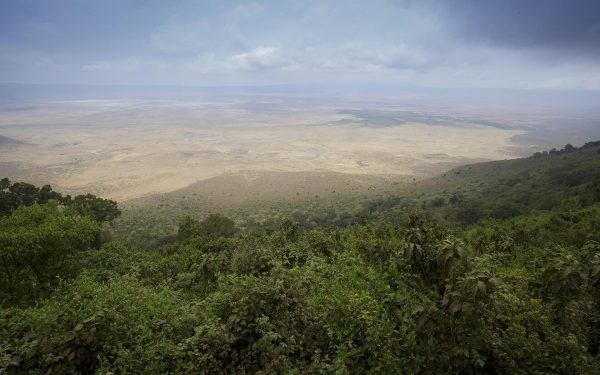 Conservation AreaBig Five
Ngorongoro Crater
A UNESCO World Heritage Site and the world's largest intact volcanic caldera — home to an extraordinary concentration…
Explore park →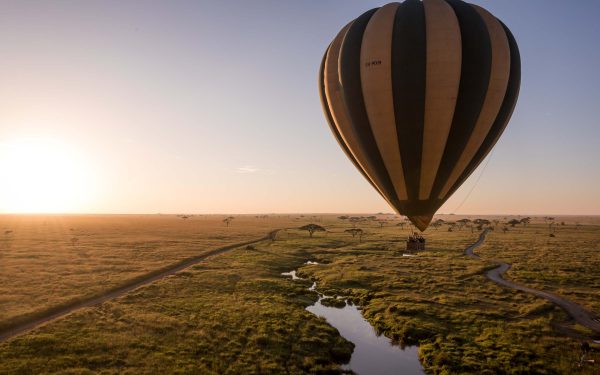 National ParkBig Five
Serengeti National Park
Tanzania's most iconic park and stage for the Great Migration — the largest overland wildlife movement on the…
Explore park →Begin your journey
Ready to experience Nyerere National Park?
Tell us when you want to travel and what you want to see, and we will match you with the right safari.
Plan your safari