
Safaris
Safaris in Tarangire National Park
1 safari that visits the park.
Park guide
Tarangire National Park guide
Overview
Tarangire National Park is one of northern Tanzania’s most rewarding and underrated parks. Covering around 2,850 km² south of Arusha, it was declared a national park in 1970 and takes its name from the Tarangire River, which runs through the park from south to north. In the dry season this river is the only permanent source of water for a wide area, and wildlife moves in from the surrounding plains in large numbers, turning Tarangire into one of the best game-viewing destinations in East Africa from June to October.
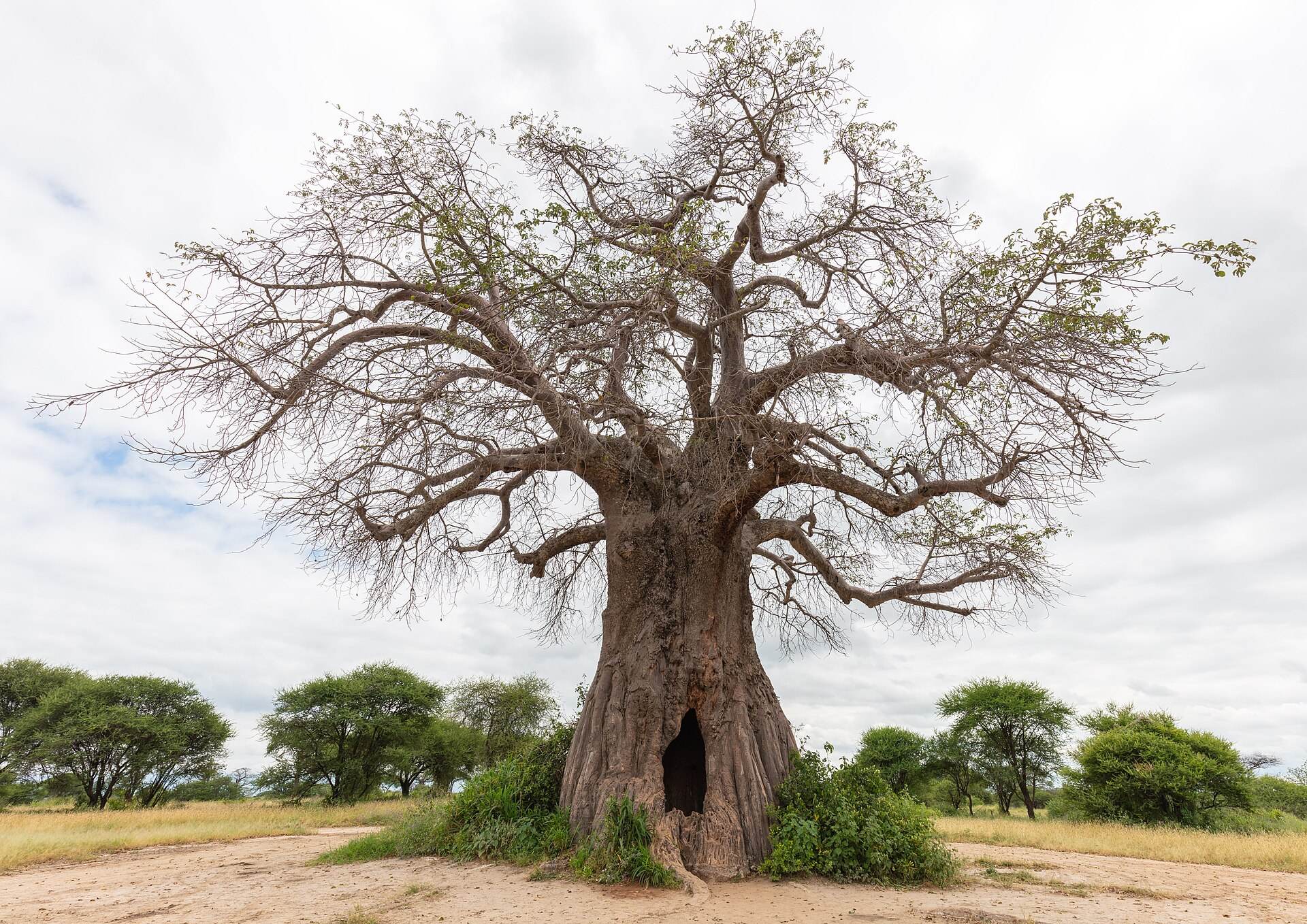
Tarangire’s landscapes are distinctive. Giant baobab trees, many of them centuries old, rise above the rolling savannah, while acacia woodland, open grassland and seasonal swamps such as Silale add to the variety. Rocky ridges and the river valley create classic African scenes, especially in the golden light of late afternoon.
The park is part of the classic northern Tanzania circuit, sitting close to Lake Manyara and on the way to Ngorongoro Crater and the Serengeti. Yet it receives far fewer visitors than those parks, especially in its southern areas, which gives it a relaxed, uncrowded feel. Lodges and camps inside the park and in the adjoining wildlife management areas range from comfortable lodges to luxury tented camps.
Wildlife
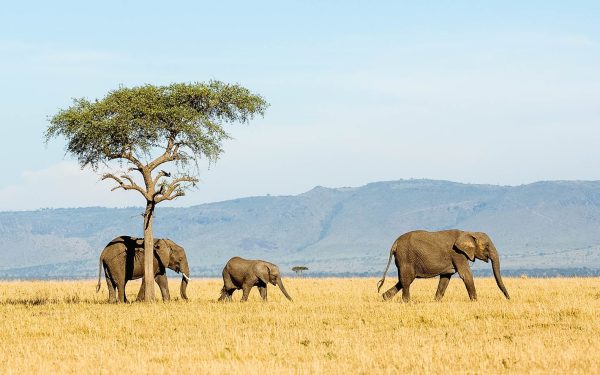
Tarangire is best known for its elephants. In the dry season, it hosts some of the largest concentrations in northern Tanzania, with family herds gathering along the river to drink, dig for water in the dry riverbed and feed among the baobabs. Seeing dozens of elephants at once is common at this time of year.
The river also attracts large herds of buffalo, zebra and wildebeest, as well as giraffe, eland, impala, waterbuck and warthog. Tarangire is one of the best places in northern Tanzania to see dry-country species such as fringe-eared oryx, gerenuk and lesser kudu, which are not found in the Serengeti or Ngorongoro.
Predators follow the herds. Lions are frequently seen, and leopards are present in the riverine woodland and rocky areas, along with cheetah on the more open plains and spotted hyena. Wild dog occasionally pass through. Rhino are not present, so it is not a Big Five park, but four of the five are often seen.
Tarangire is excellent for birding, with more than 550 species recorded, among the highest counts of any park in Tanzania. Look for yellow-collared lovebirds, ashy starlings, kori bustards, ostriches and a wide variety of raptors, with many more species in the wet season. Pythons sometimes rest in the trees near the river.
Key wildlife
Best Time to Visit
Short answer: Jun–Oct. Also good: Jan–Feb.
Peak Good Quieter
The dry season from June to October is the best time to visit Tarangire. Animals concentrate along the Tarangire River and the swamps, and game viewing is at its peak, with especially large elephant herds. The weather is warm and dry, and the vegetation thinner, making wildlife easier to spot.
During the rains, usually from November to May, many animals disperse out of the park to the surrounding plains to graze and give birth. Game viewing is less concentrated, but the park is lush and green, birdlife is at its best with migrant species present, and there are fewer visitors. January and February, during the short drier spell, can be lovely. The long rains, from around March to May, are the quietest time, and some camps close.
Tsetse flies can be present in the woodland areas, particularly in parts of the park and in warmer months, so wear light, neutral colours and avoid dark blue and black clothing.
Getting There
Tarangire is about two hours’ drive from Arusha on a good tarred road, with the main entrance gate in the north of the park. That makes it an easy first or last stop on a northern Tanzania safari. Arusha Airport (ARK) and Kilimanjaro International Airport (JRO) are the main gateways, with international flights arriving at Kilimanjaro.
Scheduled light-aircraft flights also serve airstrips in and near the park, such as Kuro in the centre, which is convenient for lodges deeper inside the park and for connecting with the Serengeti.
Tarangire combines naturally with Lake Manyara, around an hour’s drive away, and Ngorongoro Crater, about three hours away. Many travellers begin their safari here before heading to the crater and the Serengeti.
Fees & Access
Entrance fees
Conservation fees are set by Tanzania National Parks (TANAPA) and charged per person per 24 hours. In peak season (16 May 2026 to 14 March 2027) non-resident adults pay US$50 plus 18% VAT (US$59.00); TANAPA quotes this as TZS 127,750. In the low season (15 March to 15 May) the rate is US$45 plus VAT (US$53.10). Children aged 5–15 pay US$15 plus VAT (US$17.70), and under-5s enter free.
Fees are paid electronically and are normally included in your lodge or safari package.
Gate hours
Game driving 06:00–18:00.
Health
Malaria risk: Moderate. Ask a travel clinic about antimalarials before you go.
Fees and gate times change. Check the latest rates with the park authority before you travel.
Things to Do
Game drives are the main activity, exploring the river valley, swamps and baobab-dotted plains in search of elephants, predators and dry-country antelope.
Walking safaris are available with an armed ranger, either within the park or in the adjoining wildlife management areas, giving you a closer look at tracks, insects and plants.
Night drives are offered by some camps in the areas bordering the park, where you might spot nocturnal species such as aardvark, porcupine and genets.
Hot-air balloon flights are available over parts of Tarangire, offering a dramatic view of the baobabs and herds below.
Cultural visits to nearby Maasai and other communities are arranged by many lodges.
See our Tanzania luxury safari, browse all safaris, or plan your safari with us.
Location
Where is Tarangire National Park?
Good to know
Tarangire National Park FAQs
How much are Tarangire National Park fees?
For 16 May 2026 to 14 March 2027, non-resident adults pay US$50 plus 18% VAT (US$59.00) per 24 hours, and children aged 5–15 pay US$15 plus VAT (US$17.70). Under-5s are free. From 15 March to 15 May the adult rate is US$45 plus VAT (US$53.10). Fees are usually included in a safari package.
When is the best time to visit Tarangire?
June to October is best, when animals gather along the Tarangire River and elephant herds are at their largest. In the rains from November to May many animals move out of the park, but it is green, quiet and excellent for birding.
What is Tarangire known for?
Tarangire is known for its large elephant herds, ancient baobab trees and dry-country species such as fringe-eared oryx, gerenuk and lesser kudu. It also has more than 550 recorded bird species.
How far is Tarangire from Arusha?
Tarangire is about two hours’ drive from Arusha on a tarred road. Lake Manyara is around an hour away and Ngorongoro Crater about three hours, so it fits easily into a northern Tanzania safari.
Can you see the Big Five in Tarangire?
No. Rhino are not found in Tarangire, but elephant, buffalo and lion are seen regularly and leopards are present.
Are there tsetse flies in Tarangire?
Yes, tsetse flies are found in parts of Tarangire’s woodland. Wear light, neutral colours and avoid dark blue and black clothing, which attracts them.
Keep exploring
More parks in Tanzania
 National Park
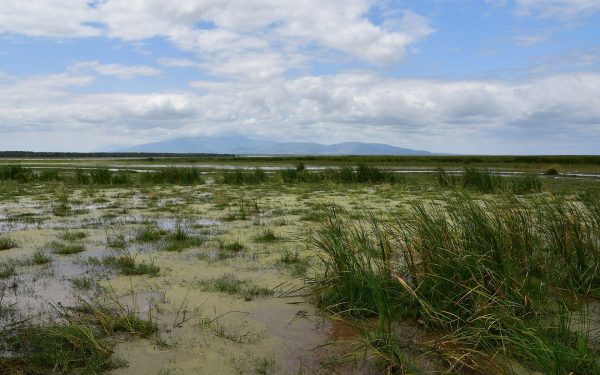
Lake Manyara National Park
A compact Tanzanian gem famous for tree-climbing lions and vast flamingo flocks against the dramatic Rift Valley escarpment.
Explore park →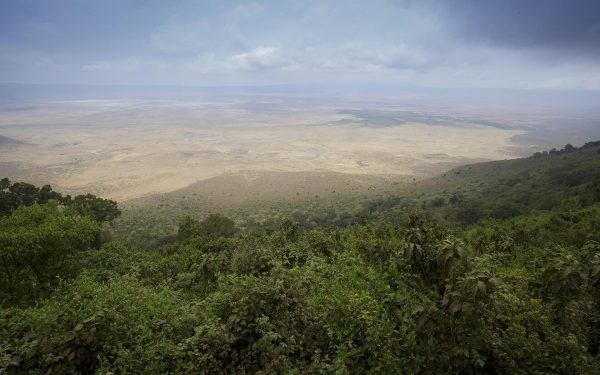 Conservation AreaBig Five
Ngorongoro Crater
A UNESCO World Heritage Site and the world's largest intact volcanic caldera — home to an extraordinary concentration…
Explore park → National Park
Nyerere National Park
Africa's largest national park — formerly the Selous Game Reserve — a vast and remote wilderness in southern…
Explore park →Begin your journey
Ready to experience Tarangire National Park?
Tell us when you want to travel and what you want to see, and we will match you with the right safari.
Plan your safari