Safaris
Safaris in Samburu National Reserve
4 safaris that visit the park.
Park guide
Samburu National Reserve guide
Overview
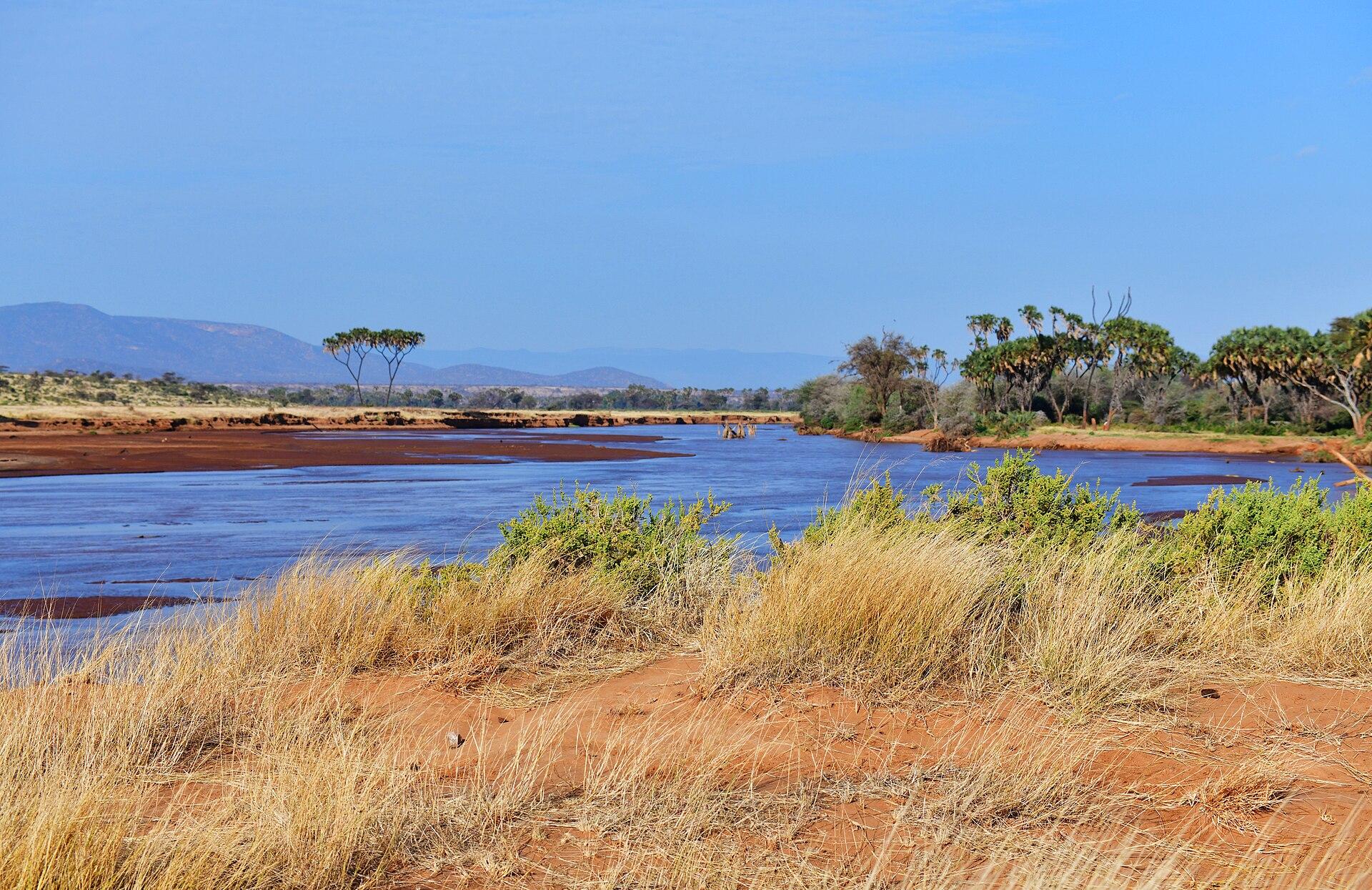
Samburu National Reserve lies in the hot, semi-arid north of Kenya, about 350 km north of Nairobi. It covers around 165 km² on the northern bank of the Ewaso Ng’iro River, the lifeline of the region. Across the river lies Buffalo Springs National Reserve, and to the east is Shaba National Reserve. Together the three reserves form a single wildlife area, often simply called Samburu.
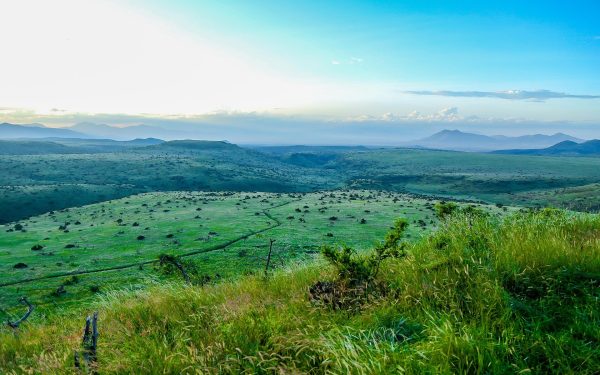
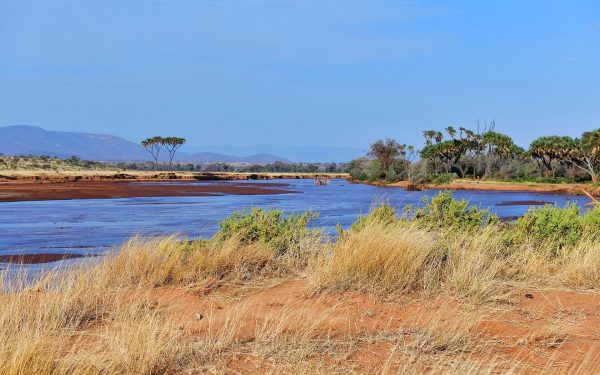
The landscape is very different from Kenya’s southern savannahs. Red earth, thorny acacia scrub and rocky hills stretch to the horizon, broken by doum palms and shady riverine forest along the Ewaso Ng’iro. The river draws wildlife from far and wide, especially in the dry season, when it is the only permanent water for many kilometres.
Samburu is managed by the Samburu County Government rather than the Kenya Wildlife Service, while Buffalo Springs and Shaba are managed by Isiolo County. The reserve is named after the Samburu people, semi-nomadic pastoralists closely related to the Maasai, whose traditional dress and culture remain very much part of daily life in the region. Several community conservancies around the reserves, such as those north and west of Samburu, offer a more private safari experience and channel tourism income to local communities.
Wildlife
Samburu is best known for the “Samburu Special Five”, a group of dry-country species found in northern Kenya but not in the south: Grevy’s zebra, reticulated giraffe, Beisa oryx, Somali ostrich and gerenuk, the long-necked antelope that stands on its hind legs to browse.
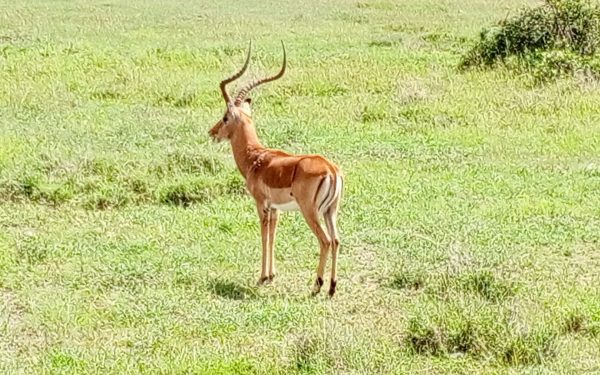
Elephants are a highlight, and the reserve has been the base of long-term elephant research since the 1990s, which has made many of the local families individually known. Lion, leopard and cheetah are all regularly seen, and spotted and striped hyena and African wild dog are also present. Buffalo, Kirk’s dik-dik, impala, waterbuck and Grant’s gazelle are common, and Nile crocodile and hippo live in the river. There are no rhino in the reserve, so it is not a Big Five destination.
Birdlife is excellent, with several hundred species recorded. Look out for vulturine guineafowl, which are common here, as well as Somali bee-eaters, golden-breasted starlings, yellow-billed hornbills and many birds of prey.
Key wildlife
Best Time to Visit
Short answer: Jun–Oct. Also good: Jan–Mar.
Peak Good Quieter
Samburu can be visited year-round, but the dry seasons, from about June to October and from late December to March, are the best for game viewing, as animals gather along the Ewaso Ng’iro.
The long rains usually fall in April and May and the short rains in November, often as short, heavy showers. The bush turns green and birdlife is at its best, but wildlife disperses away from the river and some tracks can be affected.
Samburu lies at a lower altitude than much of central Kenya, so days are hot, especially in the dry months, and nights are warm. Malaria is present, so speak to a travel clinic about prevention before you travel.
Getting There
Scheduled light-aircraft flights from Nairobi’s Wilson Airport serve the airstrips in and around Samburu and Buffalo Springs, taking about an hour. International visitors usually arrive at Jomo Kenyatta International Airport (NBO) in Nairobi.
By road, the drive from Nairobi takes around five to six hours via Nanyuki and Isiolo, mostly on tarred roads. Many itineraries combine Samburu with Lewa, Ol Pejeta or the wider Laikipia Plateau.
Samburu is not a Kenya Wildlife Service park, so fees are paid to the county, not through KWS’s eCitizen system. Crossing the river into Buffalo Springs or Shaba means paying Isiolo County’s separate fee. Before you travel, check your government’s current travel advice for Kenya, which sets out any areas of the north it advises against visiting.
Fees & Access
Entrance fees
Samburu National Reserve is run by the Samburu County Government, not the Kenya Wildlife Service, so KWS fees and eCitizen do not apply. Under the county’s Finance Act 2023, the most recent enacted schedule, non-resident adults pay US$85 per day and children US$50; Kenya residents and citizens pay KSh 1,600. A vehicle with fewer than six seats pays KSh 800.
Buffalo Springs and Shaba reserves, across the river, belong to Isiolo County and charge their own fees, published at US$70 for non-resident adults. Your lodge or safari operator will usually arrange payment; ask for an official receipt.
Gate hours
6:00 AM - 6:30 PM
Health
Malaria risk: Moderate. Ask a travel clinic about antimalarials before you go.
Fees and gate times change. Check the latest rates with the park authority before you travel.
Things to Do
Game drives along the Ewaso Ng’iro and through the surrounding scrub are the main activity, with good chances of seeing elephant, big cats and the Special Five.
Cultural visits to Samburu communities, arranged through lodges and conservancies, offer an insight into local traditions and life alongside wildlife.
Walking safaris and night drives are offered in some of the neighbouring community conservancies, where activities are not restricted by reserve rules. Night drives are not permitted in the reserves themselves.
Birdwatching is rewarding all year, with many dry-country species that are hard to find elsewhere in Kenya.
Photography is superb, with red earth, doum palms and elephants crossing the river.
Explore Kenya’s other parks, such as Lake Nakuru and the Masai Mara, browse all safaris, or plan your safari with us.
Location
Where is Samburu National Reserve?
Good to know
Samburu National Reserve FAQs
How much are Samburu National Reserve fees?
Under Samburu County’s most recent enacted schedule, non-resident adults pay US$85 per day and children US$50. Kenya residents and citizens pay KSh 1,600. Buffalo Springs and Shaba, across the river, charge Isiolo County’s separate fees.
What are the Samburu Special Five?
The Samburu Special Five are Grevy’s zebra, reticulated giraffe, Beisa oryx, Somali ostrich and gerenuk. These dry-country species are found in northern Kenya but not in the southern parks.
Is Samburu run by the Kenya Wildlife Service?
No. Samburu National Reserve is managed by the Samburu County Government, so fees are paid to the county rather than through KWS’s eCitizen system.
How do you get to Samburu?
Scheduled light-aircraft flights from Nairobi’s Wilson Airport take about an hour. By road, it is about five to six hours from Nairobi via Nanyuki and Isiolo.
Is Samburu safe to visit?
Samburu is a well-established safari destination. Before you travel, check your government’s current travel advice for Kenya, which sets out any areas of the north it advises against visiting.
When is the best time to visit Samburu?
The dry seasons from June to October and from late December to March are best, when wildlife gathers along the Ewaso Ng’iro River.
Keep exploring
More parks in Kenya
 National Park
Amboseli National Park
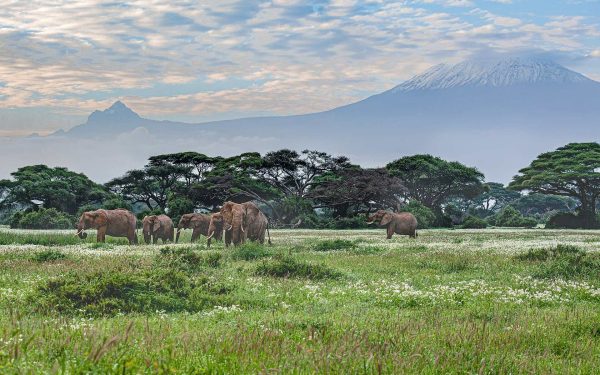
Kenya's iconic park offering unrivalled views of Mount Kilimanjaro as a backdrop to large elephant herds.
Explore park →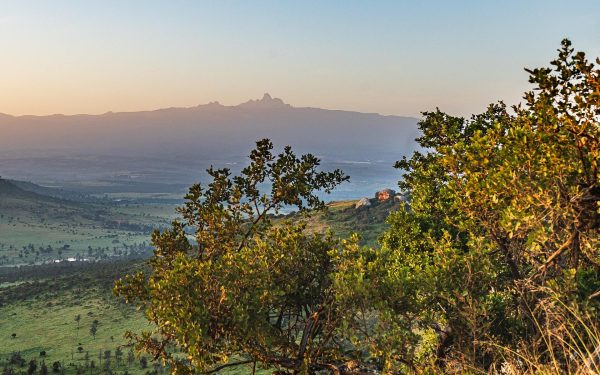 Conservation AreaBig Five
Laikipia Plateau
Kenya's wildlife heartland — a vast mosaic of private ranches and conservancies supporting more wildlife than any other…
Explore park →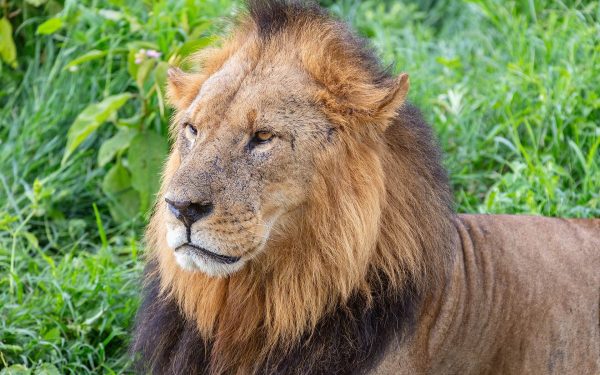 National Park
Lake Nakuru National Park
A compact Kenyan park famous for its flamingo-lined alkaline lake and excellent rhino conservation.
Explore park →Begin your journey
Ready to experience Samburu National Reserve?
Tell us when you want to travel and what you want to see, and we will match you with the right safari.
Plan your safari