Safaris
Safaris in Maasai Mara Conservancies
4 safaris that visit the park.
Park guide
Maasai Mara Conservancies guide
Overview
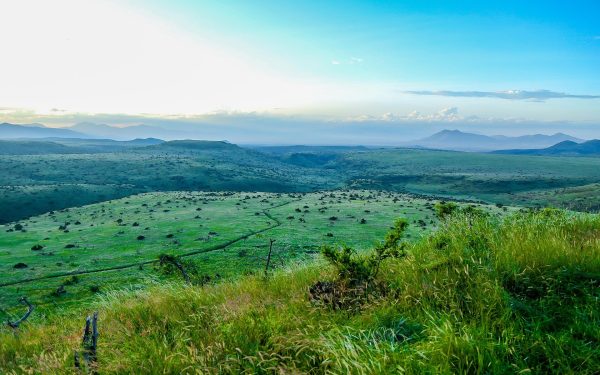
The Maasai Mara conservancies are a network of private wildlife areas on Maasai community land bordering the Masai Mara National Reserve in southwest Kenya. Conservancies such as Mara North, Olare Motorogi, Naboisho, Ol Kinyei, Lemek and Enonkishu together protect a large part of the greater Mara ecosystem, much of it as important for wildlife as the reserve itself.
The model is simple but powerful. Maasai landowners lease their land to the conservancy, and in return they receive regular lease payments, funded largely by the conservancy fees paid by visitors. Livestock grazing is carefully managed, and the land is kept open for wildlife instead of being fenced or farmed. Most conservancies began in the mid-2000s and are now coordinated through the Maasai Mara Wildlife Conservancies Association.
For visitors, the big difference is exclusivity. Each conservancy limits the number of camps and beds, and only vehicles from member camps are allowed on its land. Sightings are shared with few other vehicles, and activities that are not permitted in the national reserve, such as night drives, guided walks and off-road driving to sightings under strict rules, are part of the experience.
Most camps can also arrange day trips into the Masai Mara National Reserve, for example to watch the river crossings during the Great Migration.
Wildlife
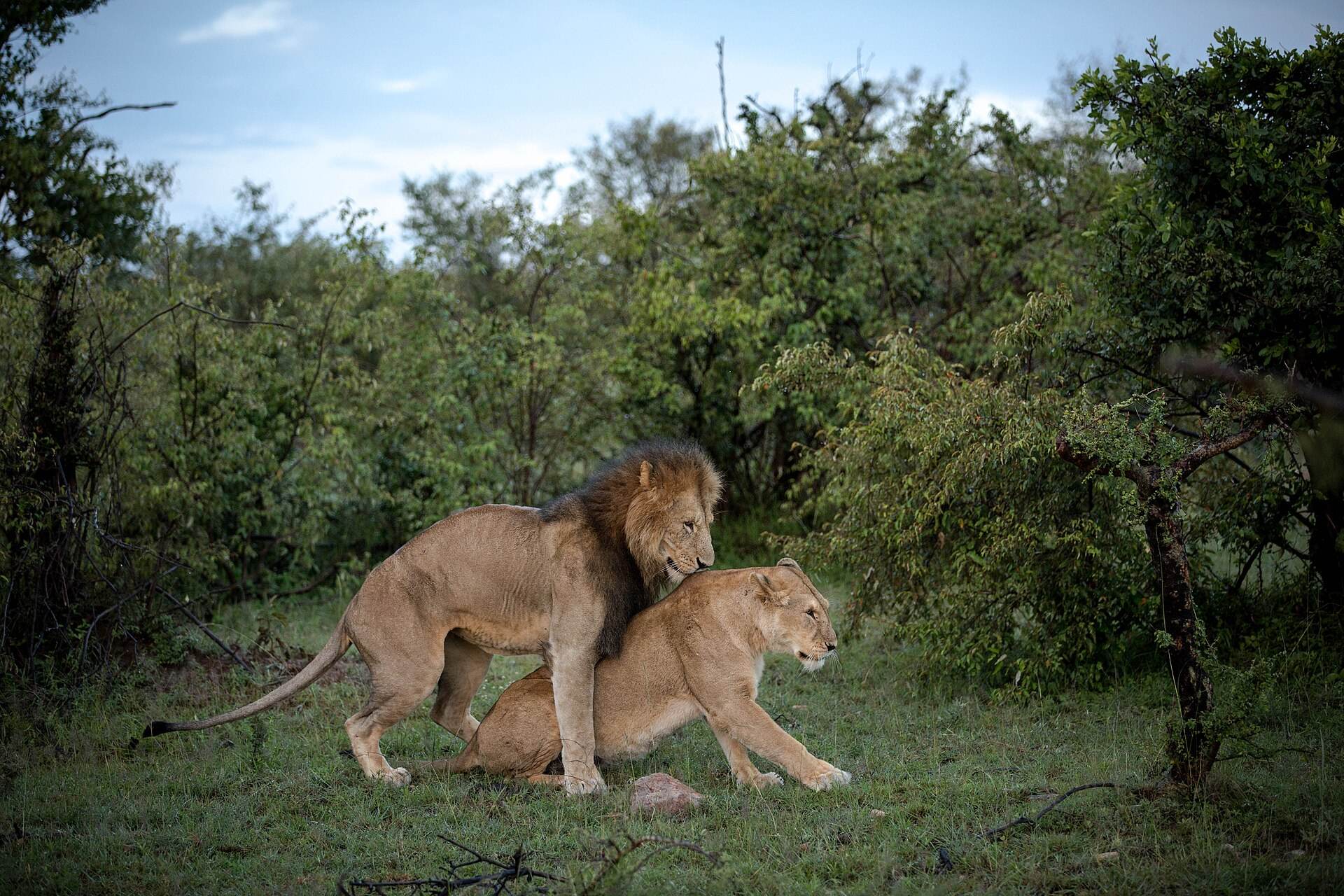
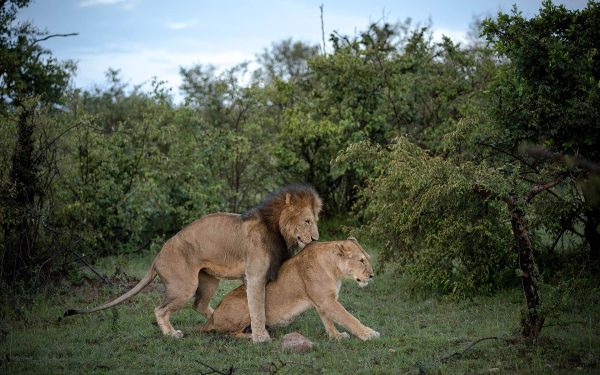
The conservancies share the Mara’s famous wildlife. Lion are abundant, and some prides are among the most studied in Africa. Leopard and cheetah are regularly seen, and the open plains are ideal for watching big cats hunt. Elephant, buffalo, giraffe, topi, eland, impala, Thomson’s and Grant’s gazelle and spotted hyena are common.
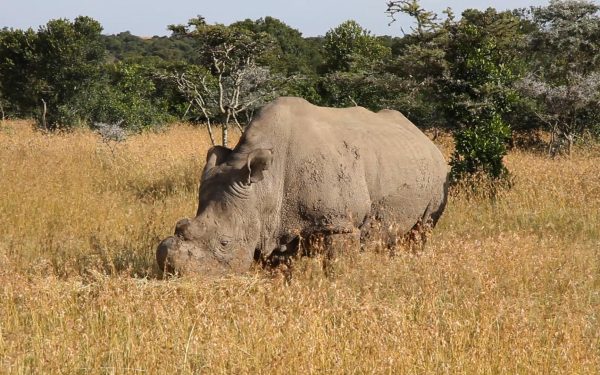
From about July to October, the herds of the Great Migration spill out of the reserve into many of the conservancies, bringing huge numbers of wildebeest and zebra. Rhino are found mainly in the national reserve and are rarely seen in the conservancies.
Birdlife is rich, with more than 450 species recorded in the greater Mara, from secretary birds and ground hornbills to vultures and many raptors.
Key wildlife
Best Time to Visit
Short answer: Jul–Oct. Also good: Dec–Mar.
Peak Good Quieter
The conservancies offer excellent game viewing year-round, thanks to the resident predators and plains game. July to October is the peak season, when the Great Migration is in the Mara and many conservancies are at their busiest.
From December to March, conditions are often dry and green, with good predator sightings and many newborn animals. The long rains usually fall from around April to May, and some camps close during this period. The short rains come in November.
The Mara lies at around 1,500 to 2,000 metres, so days are warm and nights can be cool. Malaria is present, so speak to a travel clinic about prevention before you travel.
Getting There
Scheduled light-aircraft flights from Nairobi’s Wilson Airport serve airstrips in and near the conservancies, taking around 45 minutes to an hour. International visitors usually arrive at Jomo Kenyatta International Airport (NBO) in Nairobi.
By road, the conservancies are about five to six hours from Nairobi, with the final stretch on rough tracks. Most visitors are met at the airstrip by their camp’s guide and vehicle.
Fees & Access
Entrance fees
Each conservancy charges a nightly conservancy fee per guest, which funds lease payments to Maasai landowners and conservancy management. Published 2026 camp rate sheets list US$130 per adult and US$65 per child per night in Mara North, Olare Motorogi and Naboisho; other conservancies set their own rates. Fees are usually collected by your camp, either included in the rate or added to it, and are payable for every night of your stay.
If you drive into the Masai Mara National Reserve, its own daily reserve fees apply on top.
Gate hours
No public gates; access is for guests of member camps only.
Health
Malaria risk: Moderate. Ask a travel clinic about antimalarials before you go.
Fees and gate times change. Check the latest rates with the park authority before you travel.
Things to Do
Game drives with few other vehicles are the highlight, often with the freedom to stay with a sighting for as long as you like.
Night drives reveal nocturnal animals such as hyena, aardvark, bat-eared fox and bushbabies.
Guided walks with Maasai guides offer insights into tracks, plants and traditional knowledge.
Cultural visits to Maasai communities show how conservation and pastoral life coexist.
Hot-air balloon flights at dawn, arranged through your camp, give a spectacular view of the plains.
Explore Kenya’s other parks, such as the Masai Mara National Reserve and Amboseli, browse all safaris, or plan your safari with us.
Location
Where is Maasai Mara Conservancies?
Good to know
Maasai Mara Conservancies FAQs
How much are Maasai Mara conservancy fees?
Each conservancy sets its own nightly fee. Published 2026 camp rates list US$130 per adult and US$65 per child per night in Mara North, Olare Motorogi and Naboisho. Fees are usually included in or added to your camp’s rate.
What is the difference between the Mara conservancies and the national reserve?
The conservancies are private areas on Maasai land next to the reserve. They limit camps and vehicles and allow night drives, guided walks and controlled off-road driving, which are not permitted in the reserve.
Can you see the Great Migration from the conservancies?
Yes. From about July to October, the migration herds spread into many conservancies, and most camps can arrange day trips into the reserve to watch river crossings.
Do conservancy fees help local communities?
Yes. Conservancy fees fund lease payments to Maasai landowners, which gives them a direct income from keeping the land open for wildlife.
How do you get to the Maasai Mara conservancies?
Scheduled light-aircraft flights from Nairobi’s Wilson Airport take around 45 minutes to an hour. By road it is about five to six hours from Nairobi.
When is the best time to visit the Maasai Mara conservancies?
July to October is peak season for the migration, while December to March is often dry and green with excellent predator sightings. Some camps close during the April and May rains.
Keep exploring
More parks in Kenya
 National Park
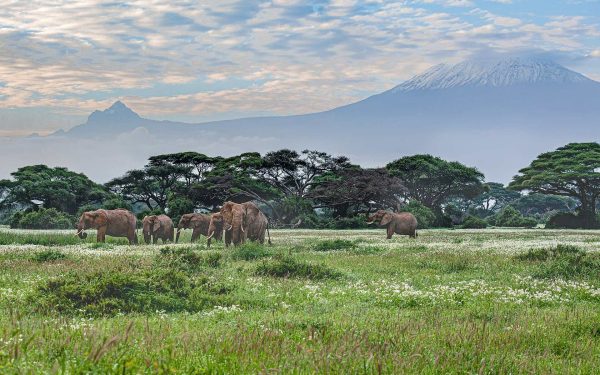
Amboseli National Park
Kenya's iconic park offering unrivalled views of Mount Kilimanjaro as a backdrop to large elephant herds.
Explore park →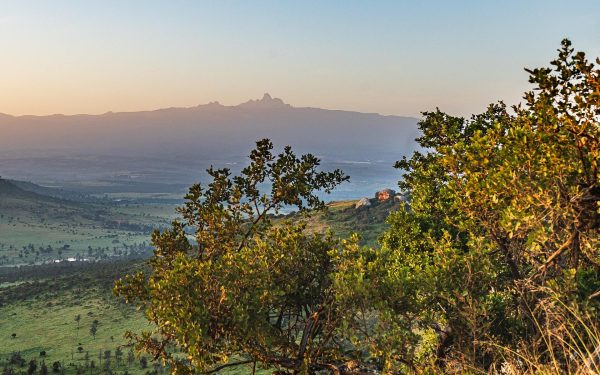 Conservation AreaBig Five
Laikipia Plateau
Kenya's wildlife heartland — a vast mosaic of private ranches and conservancies supporting more wildlife than any other…
Explore park →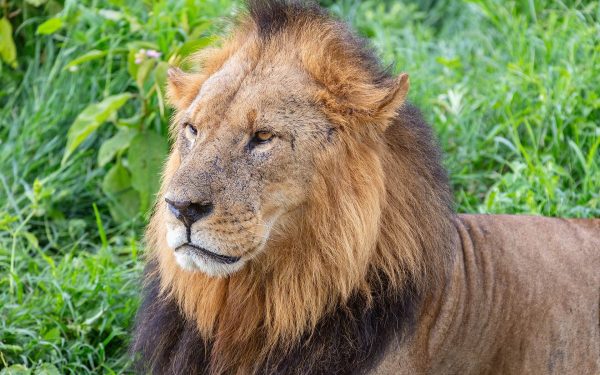 National Park
Lake Nakuru National Park
A compact Kenyan park famous for its flamingo-lined alkaline lake and excellent rhino conservation.
Explore park →Begin your journey
Ready to experience Maasai Mara Conservancies?
Tell us when you want to travel and what you want to see, and we will match you with the right safari.
Plan your safari