
Safaris
Safaris in Amboseli National Park
5 safaris that visit the park.
Park guide
Amboseli National Park guide
Overview
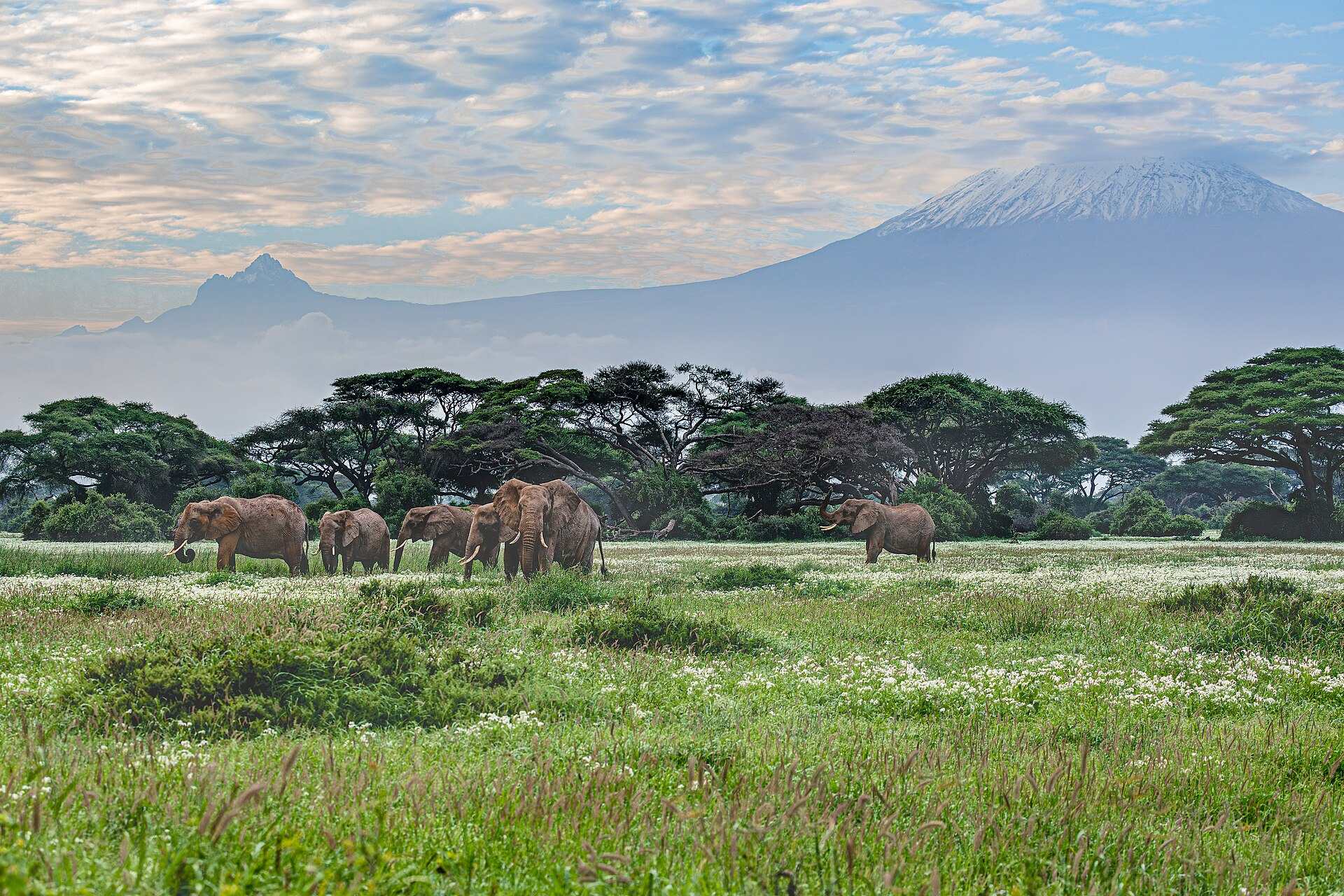
Amboseli National Park in southern Kenya is famous for one of the most iconic views in Africa: herds of elephants crossing the plains beneath the snow-capped summit of Mount Kilimanjaro, which rises just across the border in Tanzania. The park covers 392 km² and was declared a national park in 1974, after earlier protection as a reserve. It lies at the heart of a much larger ecosystem shared with Maasai communities and is part of a UNESCO Biosphere Reserve.
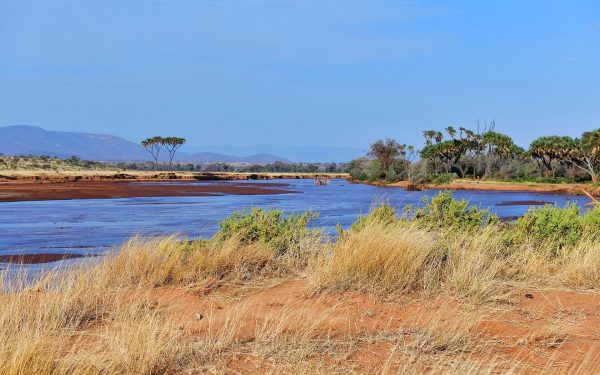
Much of Amboseli is dry and dusty, with the seasonal Lake Amboseli, which is often a shimmering dry bed. Yet the park has a secret: underground water from Kilimanjaro’s slopes feeds a series of permanent springs and swamps, such as Enkongo Narok and Olokenya. These green oases attract wildlife throughout the year, even at the height of the dry season.
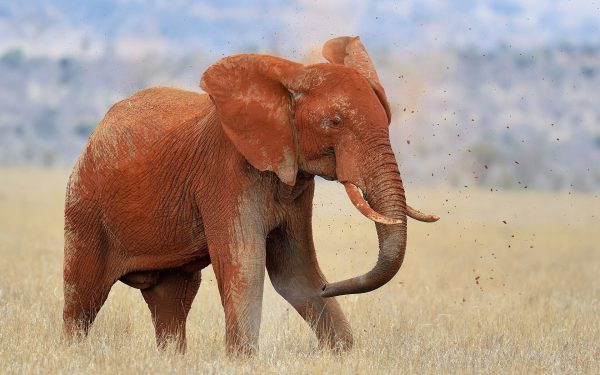
Amboseli is also home to one of the world’s longest-running studies of wild elephants, which began in 1972. Decades of research have made the park’s elephants among the best-known in the world, and some of the large-tusked bulls here are celebrated by photographers and conservationists alike. Lodges and tented camps inside the park and in the surrounding conservancies range from classic safari lodges to intimate luxury camps.
The national park itself is only a small part of the wider Amboseli ecosystem. Elephants and other wildlife range far beyond its boundaries onto Maasai community land, and a network of conservancies, where landowners lease land for low-impact tourism, helps keep these migration corridors open. Staying in one of these conservancies supports local communities and gives you access to activities that are not permitted inside the park.
Wildlife
Elephants are the stars of Amboseli. Family herds move between the swamps and the woodland each day, and the open terrain makes them easy to watch at close range. Seeing elephants with Kilimanjaro behind them, especially in the clear light of early morning, is a highlight of any Kenya safari.
The swamps also attract buffalo, hippo, and many water birds, while the plains support wildebeest, zebra, Maasai giraffe, Thomson’s and Grant’s gazelle, eland, impala and gerenuk. Lion, cheetah and spotted hyena are the main predators, and leopard are present but rarely seen. Rhino are not found in the park, so Amboseli is not a Big Five destination.
Birdlife is excellent, with more than 400 species recorded. Pelicans, herons, kingfishers, crowned cranes and, at times, flamingos gather in the wetlands, while raptors such as the martial eagle and tawny eagle hunt over the plains.
Key wildlife
Best Time to Visit
Short answer: Jun–Oct. Also good: Jan–Feb.
Peak Good Quieter
The dry seasons, from June to October and from January to February, are the best times to visit Amboseli. Wildlife concentrates around the swamps, the vegetation is short, and the skies are often clear, giving the best chance of seeing Kilimanjaro. The mountain is most often visible early in the morning and late in the afternoon, and it can be hidden by cloud for days at a time.
Amboseli lies at an altitude of around 1,150 metres, so days are warm to hot and nights can be cool, particularly from June to August. Dust can be heavy in the dry season, so photographers should protect their equipment.
The long rains usually fall from around March to May, and the short rains in November and December. The park turns green, many animals give birth, and migrant birds arrive. Some roads can become muddy, and there are fewer visitors, which can mean lower rates at some lodges.
Getting There
Amboseli is about four to five hours’ drive from Nairobi, much of it on tarred roads, entering through gates such as Meshanani or Kimana. Many itineraries combine Amboseli with Tsavo West, which is around two to three hours away by road.
Scheduled light-aircraft flights from Nairobi’s Wilson Airport serve Amboseli Airport (ASV) inside the park, with flights taking under an hour. There are also links to other safari destinations such as the Masai Mara. International visitors usually arrive at Jomo Kenyatta International Airport (NBO) in Nairobi.
Park entry is cashless and must be paid in advance through Kenya Wildlife Service’s online system, so make sure your safari operator or lodge has arranged your fees before arrival.
Fees & Access
Entrance fees
Conservation fees are set by the Kenya Wildlife Service and charged per person for a single entry of up to 24 hours, at the same rate all year. Non-resident adults pay US$90 and children aged 5–17 US$45. African citizens pay US$50 (child US$25), Kenya residents KSh 2,025 and East African citizens KSh 1,500. Children aged 5 and under are free. A vehicle with fewer than six seats pays KSh 600 per day.
Payment is cashless and must be made in advance through KWS’s eCitizen system, usually by your safari operator or lodge.
Gate hours
6:00 AM - 6:30 PM
Health
Malaria risk: Low. Ask a travel clinic about antimalarials before you go.
Fees and gate times change. Check the latest rates with the park authority before you travel.
Things to Do
Game drives are the main activity, exploring the swamps, plains and woodlands in search of elephants and predators, with Kilimanjaro as a backdrop.
Observation Hill is a viewpoint inside the park where you can step out of your vehicle and look across the swamps, plains and, on a clear day, Kilimanjaro.
Walking safaris, night drives and cultural visits are offered by lodges in the surrounding community conservancies, where activities are not limited by national park rules.
Photography is superb, especially in the early morning when Kilimanjaro is most likely to be clear.
Scenic flights by light aircraft or helicopter can be arranged by some lodges for a bird’s-eye view of Kilimanjaro and the plains.
Explore Kenya’s other parks, such as Tsavo West and the Masai Mara, browse all safaris, or plan your safari with us.
Location
Where is Amboseli National Park?
Good to know
Amboseli National Park FAQs
How much are Amboseli park fees?
Non-resident adults pay US$90 and children aged 5–17 pay US$45 per entry of up to 24 hours, at the same rate all year. Children 5 and under are free. Payment is cashless through the Kenya Wildlife Service eCitizen system.
When can you see Kilimanjaro from Amboseli?
Kilimanjaro is most often visible early in the morning and late in the afternoon, and in the dry seasons from June to October and January to February. Cloud can hide it for days at a time, especially in the rains.
Is Amboseli a Big Five park?
No. Rhino are not found in Amboseli, but elephant, buffalo and lion are seen regularly and leopard are present but rarely seen.
How far is Amboseli from Nairobi?
Amboseli is about four to five hours’ drive from Nairobi. Scheduled light-aircraft flights from Wilson Airport reach Amboseli Airport (ASV) in under an hour.
How many days do you need in Amboseli?
Two or three nights is ideal, giving you several chances to see Kilimanjaro clear of cloud. Amboseli combines well with Tsavo West and the Masai Mara.
Can you do walking safaris in Amboseli?
Walking is not part of a standard national park game drive, but lodges in the surrounding community conservancies offer guided walks, night drives and cultural visits.
Keep exploring
More parks in Kenya
 Conservation AreaBig Five
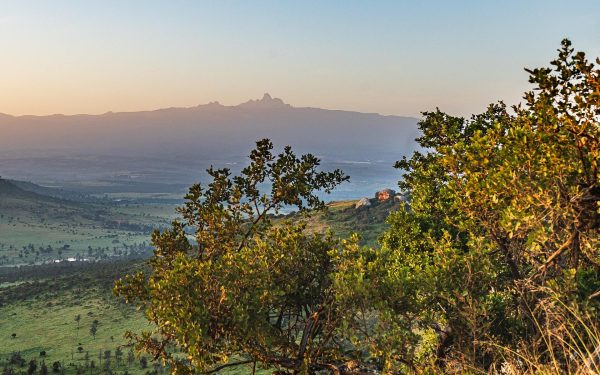
Laikipia Plateau
Kenya's wildlife heartland — a vast mosaic of private ranches and conservancies supporting more wildlife than any other…
Explore park →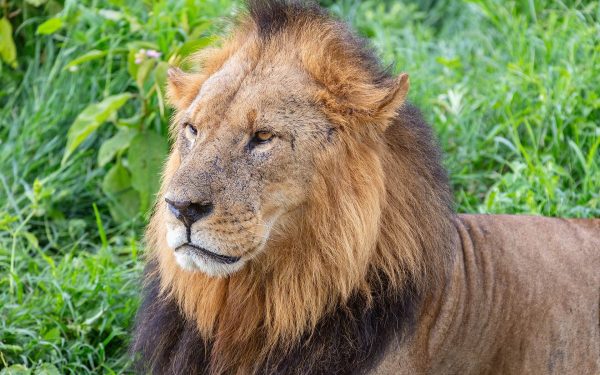 National Park
Lake Nakuru National Park
A compact Kenyan park famous for its flamingo-lined alkaline lake and excellent rhino conservation.
Explore park →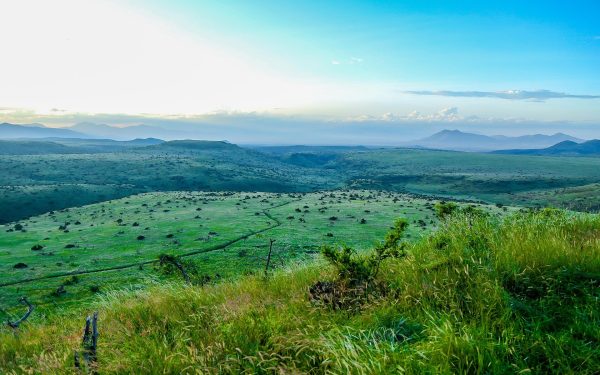 ConservancyBig Five
Lewa Wildlife Conservancy
A pioneering Kenyan conservancy that has become a global model for community-based rhino conservation.
Explore park →Begin your journey
Ready to experience Amboseli National Park?
Tell us when you want to travel and what you want to see, and we will match you with the right safari.
Plan your safari