

Safaris
Safaris in Volcanoes National Park
1 safari that visits the park.
Park guide
Volcanoes National Park guide
Overview
Volcanoes National Park in north-western Rwanda is one of the best places in the world to see mountain gorillas. The park protects about 160 km² of the Rwandan side of the Virunga Mountains, a chain of volcanoes shared with Uganda and the Democratic Republic of Congo, and includes five of its peaks: Karisimbi, Bisoke, Sabyinyo, Gahinga and Muhabura. Its slopes are covered in bamboo, montane forest and hagenia woodland, often wrapped in mist.
The park has a long conservation history. It was first protected in 1925 as part of the Albert National Park, often described as Africa’s first national park. It was here that the American primatologist Dian Fossey founded the Karisoke Research Center in 1967 and spent nearly two decades studying the gorillas, work that drew world attention to their plight.
Today, Rwanda’s carefully managed gorilla tourism is a conservation success story. Visitor numbers are tightly limited, permit revenue funds protection and community projects, and the mountain gorilla population of the Virunga massif has grown over recent decades. Lodges around the park range from comfortable guesthouses to some of the most luxurious eco-lodges in Africa, and the town of Musanze is the main local hub.
Wildlife
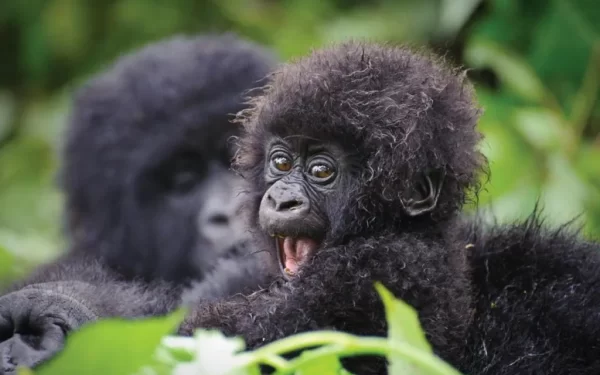
Mountain gorillas are the reason most people visit. The park is home to a number of habituated gorilla families, each visited by a small group of trekkers once a day. Watching a silverback, mothers with infants and playful youngsters in the forest at close range is an experience few people forget.
The endangered golden monkey is the park’s other star. Found only in the Albertine Rift mountains, these lively, orange-furred monkeys live in the bamboo zone and can be tracked on a separate excursion.
Forest elephant and buffalo live in the park but are rarely seen, along with bushbuck, black-fronted duiker, spotted hyena and a variety of smaller mammals. Birdlife includes several Albertine Rift endemics, such as the Rwenzori turaco and handsome francolin, which make birding walks rewarding.
Key wildlife
Best Time to Visit
Short answer: Jun–Sep. Also good: Dec–Feb.
Peak Good Quieter
Gorilla trekking runs all year. The long dry season from June to September is the most popular time, with drier trails and easier hiking, and December to February is another drier period. These months are busiest, so permits should be booked well ahead.
The rainy seasons, usually from March to May and from October to November, bring wetter, more slippery trails, but the forest is lush and green, and there are often fewer visitors. Rain can fall at any time in the mountains, so a waterproof jacket is essential whenever you visit. Temperatures are mild by day and cool at night, thanks to the altitude.
Getting There
Kigali International Airport (KGL) is the gateway, with direct flights from many African, European and Middle Eastern hubs. From Kigali, the drive to Musanze and the park headquarters at Kinigi takes around two and a half hours on good tarred roads through Rwanda’s green hills. Helicopter transfers are also available for those short on time.
Most visitors stay in lodges close to the park the night before trekking, as reporting time is early. Volcanoes combines easily with Nyungwe Forest National Park for chimpanzees, Akagera National Park for a Big Five savannah safari, and Lake Kivu for relaxation.
Fees & Access
A gorilla permit is required to visit the gorillas and is sold by the Rwanda Development Board (RDB). Each habituated family is visited by a maximum of eight people per day, and you spend one hour with the gorillas once you find them. Treks can last from under an hour to most of the day, depending on where the family is, and the terrain can be steep and muddy.
The minimum age for gorilla trekking is 15, and the minimum age for golden monkey tracking is 12. Visitors with a cold, flu or other contagious illness may be refused entry to protect the gorillas. Trekkers report to the park headquarters at Kinigi by 07:00 for briefing and group allocation.
Permits are limited and often sell out months in advance for the peak months of June to October, so book early. Your safari planner can secure permits alongside accommodation and transfers.
Entrance fees
A gorilla permit from the Rwanda Development Board costs US$1,500 for foreign visitors. In 2026, promotional rates of US$500 for African citizens and foreign residents in Africa and US$200 for Rwandan and East African citizens apply, except from June to October. Golden monkey tracking costs US$100 for foreign adults.
Permits are limited to eight visitors per gorilla family per day and often sell out months ahead for June to October. The minimum age is 15 for gorillas and 12 for golden monkeys.
Gate hours
Trekkers report to the park headquarters at Kinigi by 07:00.
Health
Malaria risk: Low. Ask a travel clinic about antimalarials before you go.
Fees and gate times change. Check the latest rates with the park authority before you travel.
Things to Do
Gorilla trekking is the highlight, an unforgettable hour with a habituated gorilla family.
Golden monkey tracking is a gentler trek into the bamboo forest to watch a troop of these colourful monkeys.
Hike to Dian Fossey’s grave at the former Karisoke research site, where she is buried alongside many of the gorillas she studied.
Volcano hikes include a demanding day climb of Bisoke to its crater lake, or a two-day trek to the summit of Karisimbi, the highest of the Virunga volcanoes.
Cultural experiences in nearby communities, as well as visits to the twin lakes of Burera and Ruhondo, add depth to your stay.
See our Rwanda gorilla tracking safari, compare Uganda’s Bwindi Impenetrable National Park, browse all safaris, or plan your safari with us.
Location
Where is Volcanoes National Park?
Good to know
Volcanoes National Park FAQs
How much is a gorilla permit in Volcanoes National Park?
A permit costs US$1,500 for foreign visitors. In 2026, promotional rates of US$500 for African citizens and foreign residents in Africa and US$200 for Rwandan and East African citizens apply outside June to October. Permits are sold by the Rwanda Development Board.
What is the minimum age for gorilla trekking in Rwanda?
The minimum age is 15 for gorilla trekking and 12 for golden monkey tracking.
How long do you spend with the gorillas?
You spend one hour with the gorilla family once you reach them. The trek to find them can take from under an hour to most of the day, depending on where the family is.
When is the best time for gorilla trekking in Rwanda?
Trekking runs all year. June to September and December to February are drier and most popular, while the rainy months bring muddier trails but fewer visitors. Rain is possible at any time, so bring waterproofs.
How far is Volcanoes National Park from Kigali?
The park headquarters at Kinigi is about two and a half hours’ drive from Kigali International Airport (KGL) on good roads. Helicopter transfers are also available.
How fit do you need to be for gorilla trekking?
A reasonable level of fitness helps, as trails can be steep, muddy and at high altitude. Porters can be hired to carry your bag and help on difficult sections, and trackers try to match groups to families based on fitness.
Keep exploring
More parks in Rwanda
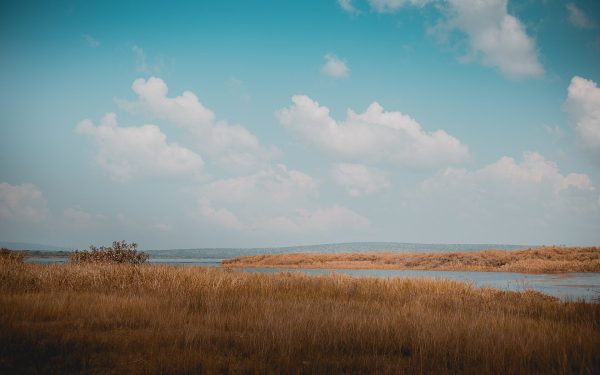 National ParkBig Five
Akagera National Park
Rwanda's only Big Five savanna park — a remarkable rewilding success story in the land of a thousand…
Explore park →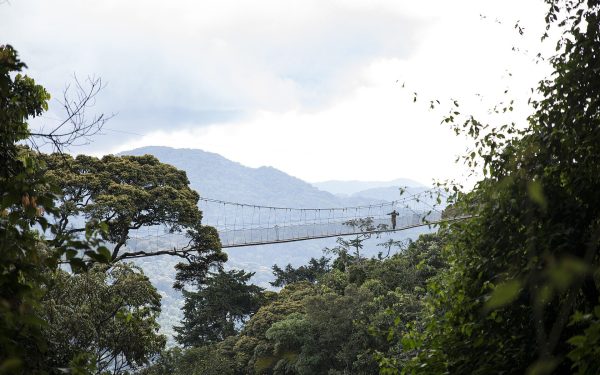 National Park
Nyungwe Forest National Park
Rwanda's ancient montane rainforest — one of Africa's oldest and a biodiversity hotspot for primates and birds.
Explore park →Begin your journey
Ready to experience Volcanoes National Park?
Tell us when you want to travel and what you want to see, and we will match you with the right safari.
Plan your safari