
Safaris
Safaris in Rwanda
We have no itinerary listed for Akagera National Park yet. These safaris explore other parts of Rwanda.
Park guide
Akagera National Park guide
Overview
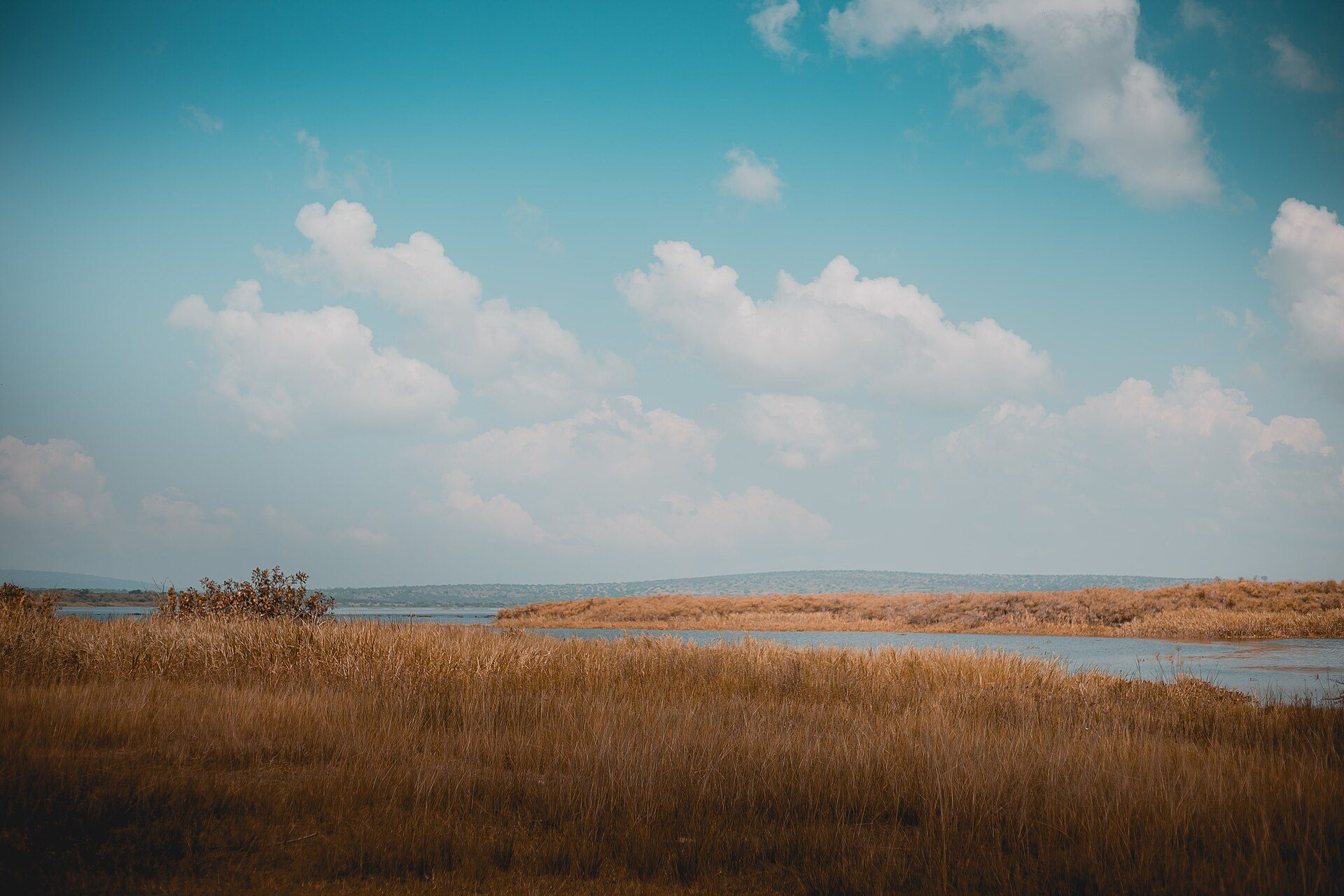
Akagera National Park in eastern Rwanda is the country’s only savannah park and one of Africa’s great conservation comebacks. Founded in 1934, it now covers about 1,122 km² of rolling hills, acacia woodland, open grassland and a chain of lakes and papyrus swamps along the Akagera River, which forms the border with Tanzania.
After the 1994 genocide, much of the park was resettled by returning refugees, and its area was greatly reduced. Wildlife numbers fell sharply, and lion and rhino disappeared. In 2010 the Rwanda Development Board and the conservation organisation African Parks began managing the park together. Since then, poaching has been brought under control, the park has been fenced, and key species have been reintroduced.
Lion returned in 2015, black rhino in 2017 and white rhino in 2021, making Akagera Rwanda’s only Big Five destination. It is an easy addition to a gorilla trekking trip in Volcanoes National Park, and part of the park’s revenue supports neighbouring communities.
Wildlife
All of the Big Five now live in Akagera: elephant, buffalo, lion, leopard, and black and white rhino. Hippo and Nile crocodile are common in the lakes, and giraffe, zebra, topi, impala, waterbuck, eland, oribi and the swamp-dwelling sitatunga are found in the park. Spotted hyena, side-striped jackal and several smaller predators complete the picture.
Akagera’s elephants have an unusual history. In 1975, a group of young elephants was moved by air and road from Bugesera, in the south of the country, where their habitat was being lost to farming. Their descendants now roam the park, and the herd has grown steadily under protection.
Birdlife is outstanding, with around 500 species recorded. The papyrus swamps are home to the rare shoebill, as well as the papyrus gonolek and other wetland specialists, and fish eagles are common over the lakes.
Key wildlife
Best Time to Visit
Short answer: Jun–Sep. Also good: Dec–Feb.
Peak Good Quieter
Akagera can be visited year-round. The dry season, from about June to September, is the best time for game viewing, when vegetation thins and animals gather around the lakes. December to February is a shorter dry period that is also good.
The rainy seasons, from about March to May and from October to November, turn the park green and bring migrant birds, but some tracks can become slippery.
Akagera lies at a lower altitude than much of Rwanda, so days are warm to hot, especially before the rains. Malaria is present, so speak to a travel clinic about prevention before you travel.
Getting There
Akagera’s main southern gate is about two and a half to three hours’ drive from Kigali International Airport (KGL), making it possible to visit on a long day trip, though an overnight stay is far more rewarding.
Roads inside the park are mostly gravel, and a high-clearance vehicle is recommended, especially in the rainy season. Self-drive visitors can hire a park guide at reception. Visitors often enter in the south and exit through the northern gate, so plan your route and timing in advance.
Fees & Access
Entrance fees
The entry fee includes self-drive game viewing and is charged per day for day visitors, or per night for guests staying inside the park. On the 2026–2027 price list, international visitors pay US$100 per adult and US$50 per child aged 6–12 for one day or night, US$150 and US$75 for two nights, and US$200 and US$100 for three nights; further nights up to a week are free. Foreign residents of Rwanda and the EAC and visitors from elsewhere in Africa pay US$50 per adult, and Rwandan and EAC citizens RWF 15,000. Children aged 5 and under are free.
Guides, boat trips, night drives and other activities are charged separately. Visitors staying outside the park pay entry for each day they enter.
Gate hours
6:00 AM - 6:00 PM
Health
Malaria risk: Moderate. Ask a travel clinic about antimalarials before you go.
Fees and gate times change. Check the latest rates with the park authority before you travel.
Things to Do
Game drives, both by day and at night, are the best way to explore the savannah and look for the Big Five.
Boat trips on Lake Ihema bring you close to hippos, crocodiles and a wealth of water birds.
Behind-the-scenes experiences, offered by the park, give an insight into Akagera’s conservation work.
Fishing on Lake Shakani and community visits to neighbouring villages are also available.
Walk the Line is a guided walk along a section of the park’s boundary fence, giving an insight into the work that keeps wildlife and neighbouring farms apart.
Birdwatching is rewarding all year, with the chance of shoebill in the swamps.
Explore Rwanda’s other parks, such as Volcanoes and Nyungwe, browse all safaris, or plan your safari with us.
Location
Where is Akagera National Park?
Good to know
Akagera National Park FAQs
How much are Akagera National Park fees?
On the 2026–2027 price list, international adults pay US$100 for one day or night, US$150 for two nights and US$200 for three, and children aged 6–12 pay half. Residents, Pan-African visitors and citizens pay less. Activities are extra.
Does Akagera have the Big Five?
Yes. With lion reintroduced in 2015, black rhino in 2017 and white rhino in 2021, Akagera is Rwanda’s only Big Five park, alongside its elephant, buffalo and leopard.
How far is Akagera from Kigali?
The southern gate is about two and a half to three hours by road from Kigali, so a long day trip is possible, although an overnight stay is more rewarding.
Can you self-drive in Akagera?
Yes. The entry fee includes self-drive game viewing. A high-clearance vehicle is recommended, and you can hire a park guide at reception.
Can you combine Akagera with gorilla trekking?
Yes. Akagera is often combined with gorilla trekking in Volcanoes National Park and chimpanzee tracking in Nyungwe for a complete Rwanda safari.
When is the best time to visit Akagera?
The dry season from June to September is best for game viewing, with a shorter dry period from December to February. The rainy months are green and good for birding.
Keep exploring
More parks in Rwanda
 National Park
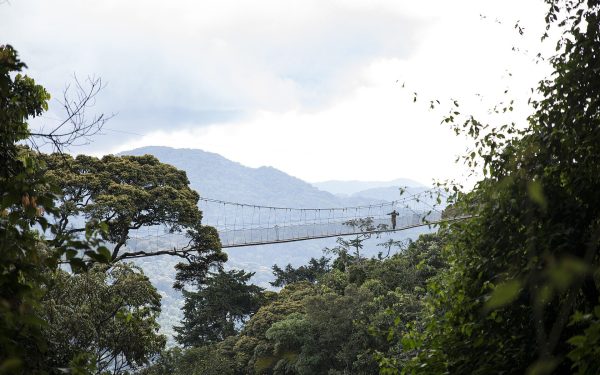
Nyungwe Forest National Park
Rwanda's ancient montane rainforest — one of Africa's oldest and a biodiversity hotspot for primates and birds.
Explore park →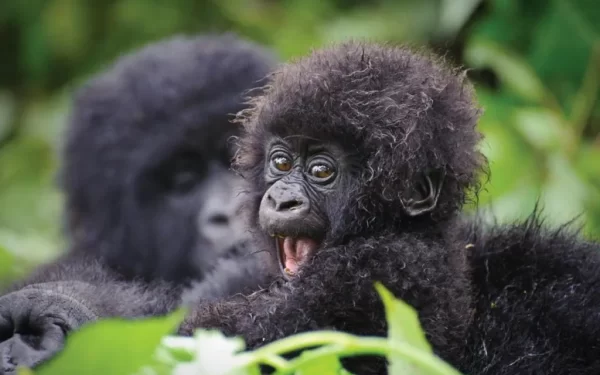 National Park
Volcanoes National Park
Rwanda's premier park protecting endangered mountain gorillas on the misty slopes of the Virunga volcanoes.
Explore park →Begin your journey
Ready to experience Akagera National Park?
Tell us when you want to travel and what you want to see, and we will match you with the right safari.
Plan your safari