
Safaris
Safaris in Tsavo East National Park
1 safari that visits the park.
Park guide
Tsavo East National Park guide
Overview
Tsavo East National Park is one of the largest national parks in Africa, covering about 13,747 km² of southeastern Kenya. Together with neighbouring Tsavo West, it was declared a national park in 1948, and the two parks are divided by the Nairobi–Mombasa road and railway. Combined with the surrounding ranches and Tanzania’s Mkomazi National Park, they form one of the largest protected wildlife areas on the continent.
This is a land of wide, open horizons. Much of Tsavo East is flat, semi-arid bush and grassland, broken by rocky outcrops, doum palms along the rivers and the long, flat-topped Yatta Plateau, an ancient lava flow that runs for some 290 km along the park’s western side. The Galana River, formed where the Athi and Tsavo rivers meet, winds through the south of the park and is a lifeline for wildlife in the dry season.
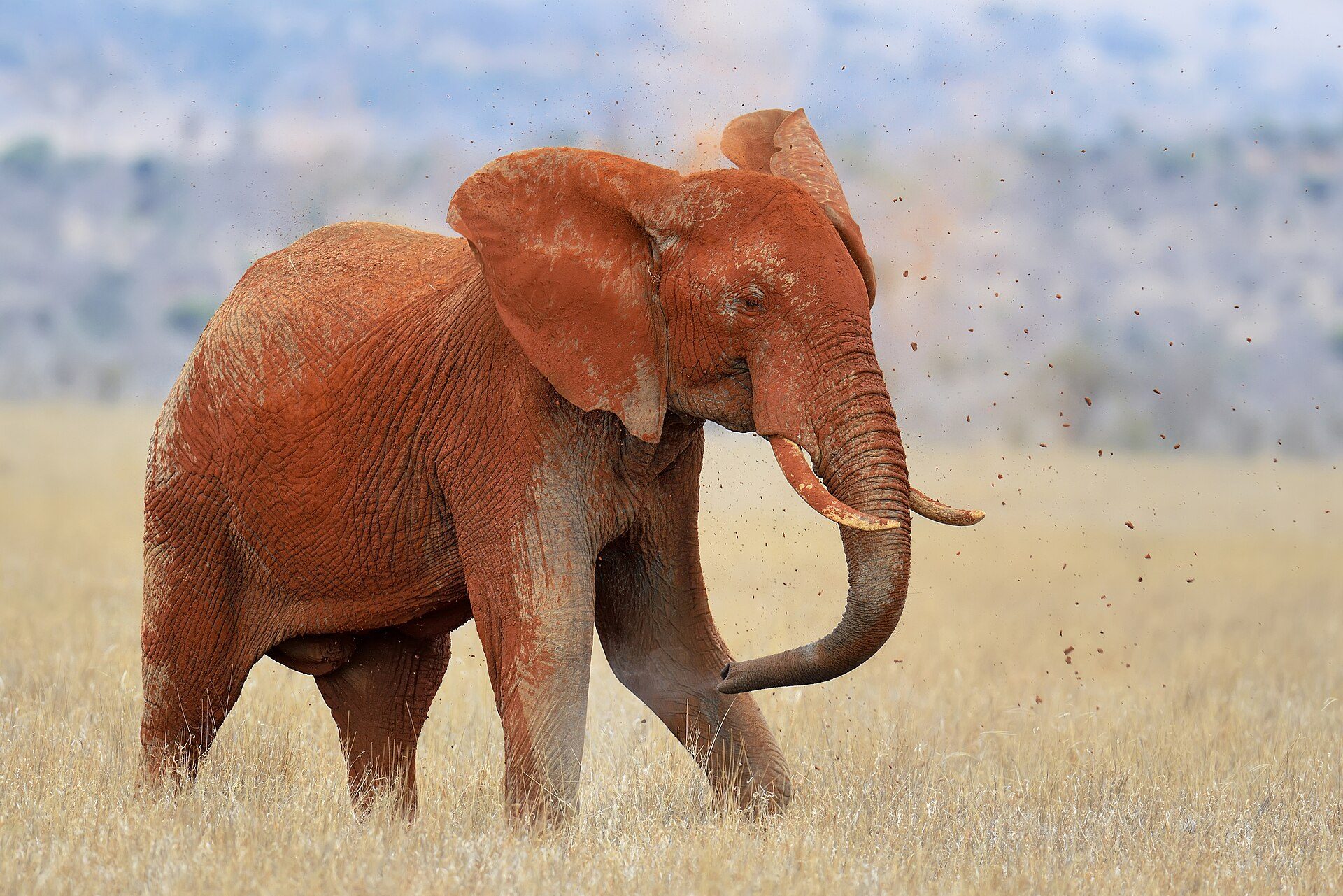
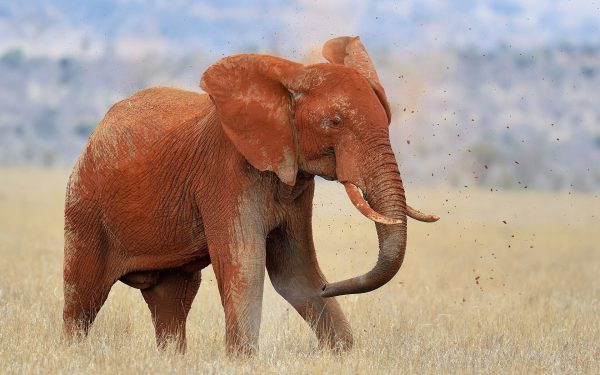
Tsavo is best known for its elephants, often coloured a rusty red by the region’s volcanic soil after they dust-bathe, and for the story of the “man-eaters of Tsavo”, two lions that attacked railway workers here in 1898. Today it offers a wild, uncrowded safari, with far fewer vehicles than Kenya’s busier parks. Most visitor activity is south of the Galana River, while much of the north is remote and little visited.
Wildlife
The Tsavo ecosystem holds Kenya’s largest population of elephants, and large herds are a common sight around waterholes, along the Galana and at Mudanda Rock. Buffalo, Maasai giraffe, plains zebra, Coke’s hartebeest, waterbuck and impala are widespread.
Tsavo East is also a good place to see dry-country species that are absent from the south of Kenya, including fringe-eared oryx, gerenuk, lesser kudu and Grevy’s zebra, which have been translocated into the park. The rare hirola, one of the world’s most endangered antelopes, has a small population here as well.
Lion are widespread, and the males are often noted for their short or sparse manes. Cheetah do well on the open plains, and leopard, spotted hyena, striped hyena and African wild dog are present, although sightings of the last two are rare. Hippo and Nile crocodile live in the Galana River. Birdlife is rich, with more than 500 species recorded across the Tsavo parks, including golden-breasted starlings, vulturine guineafowl and many raptors.
Key wildlife
Best Time to Visit
Short answer: Jun–Oct. Also good: Jan–Feb.
Peak Good Quieter
The dry season, from June to October, is the best time for game viewing. Vegetation thins out, and animals gather around the Galana River, waterholes and dams such as Aruba, making them easier to find. January and February are a second, shorter dry season that is also good.
The long rains usually fall from around March to May and the short rains in November and December. The bush turns green, newborn animals appear and migrant birds arrive, although wildlife spreads out and some tracks can become difficult.
Tsavo East is low-lying and can be hot, especially in the months before the rains. Malaria is present, so speak to a travel clinic about prevention before you travel.
Getting There
Tsavo East is easy to reach from the coast. Voi Gate is about 160 km from Mombasa, around three hours by road, and Moi International Airport (MBA) in Mombasa is the nearest international airport. Many visitors combine Tsavo East with a beach stay on the Kenya coast.
From Nairobi, the drive to Manyani Gate near Voi takes around five to six hours on the Mombasa road. The Madaraka Express train between Nairobi and Mombasa stops at Voi, which is close to the park. There are several airstrips in the park for charter flights.
Park fees are cashless and must be paid in advance through the Kenya Wildlife Service’s eCitizen system. Your safari operator or lodge will usually arrange this for you.
Fees & Access
Entrance fees
Conservation fees are set by the Kenya Wildlife Service and charged per person for a single entry of up to 24 hours. Non-resident adults pay US$80 and children aged 5–17 US$40. African citizens pay US$40 (child US$20), Kenya residents KSh 1,350 and East African citizens KSh 1,000. Children under 5 are free. A vehicle with fewer than six seats pays KSh 600 per day.
Payment is cashless and must be made in advance through KWS’s eCitizen system, usually by your safari operator or lodge. Tsavo East and Tsavo West charge separately.
Gate hours
6:00 AM - 6:00 PM
Health
Malaria risk: Moderate. Ask a travel clinic about antimalarials before you go.
Fees and gate times change. Check the latest rates with the park authority before you travel.
Things to Do
Game drives explore the plains, the Galana River and the waterholes, with elephants the highlight of almost every drive.
Mudanda Rock is a long rock outcrop above a natural water catchment, where you can look down on elephants and other animals coming to drink in the dry season.
Lugard Falls is a series of rapids where the Galana River surges through narrow channels of rock, with crocodiles often seen at Crocodile Point downstream.
The Yatta Plateau forms a striking backdrop, and viewpoints across the park reveal just how vast the Tsavo wilderness is.
Birdwatching is excellent, particularly during the rains when migrant species arrive.
Explore neighbouring Tsavo West and Amboseli, browse all safaris, or plan your safari with us.
Location
Where is Tsavo East National Park?
Good to know
Tsavo East National Park FAQs
How much are Tsavo East National Park fees?
Non-resident adults pay US$80 and children aged 5–17 pay US$40 per entry of up to 24 hours. African citizens, Kenya residents and East African citizens pay lower rates. Payment is cashless through KWS’s eCitizen system, and Tsavo West is charged separately.
Why are Tsavo’s elephants red?
Tsavo’s elephants dust-bathe and wallow in the region’s red volcanic soil, which coats their skin and gives them a distinctive rusty-red colour.
How far is Tsavo East from Mombasa?
Voi Gate is about 160 km from Mombasa, around three hours by road, which makes Tsavo East an easy safari to combine with the Kenya coast.
Can you see the Big Five in Tsavo East?
Elephant, lion, leopard and buffalo are all found in Tsavo East. Rhino are extremely rare, so for a better chance of rhino consider Tsavo West’s Ngulia Rhino Sanctuary or Lake Nakuru.
What is the difference between Tsavo East and Tsavo West?
Tsavo East is larger, flatter and more open, with big elephant herds and dry-country species. Tsavo West is hilly and volcanic, with attractions such as Mzima Springs and the Shetani lava flow.
When is the best time to visit Tsavo East?
The dry season from June to October is best, when animals gather at the Galana River and waterholes. January and February are also good.
Keep exploring
More parks in Kenya
 National Park
Amboseli National Park
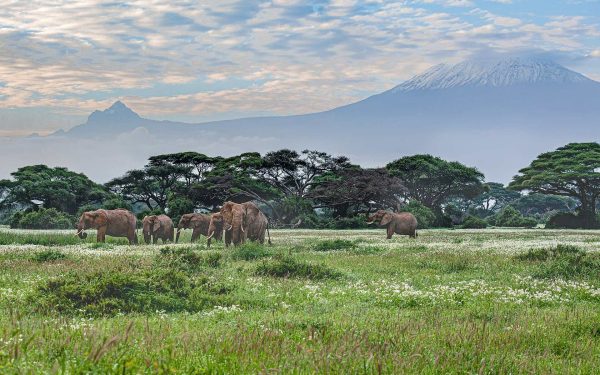
Kenya's iconic park offering unrivalled views of Mount Kilimanjaro as a backdrop to large elephant herds.
Explore park →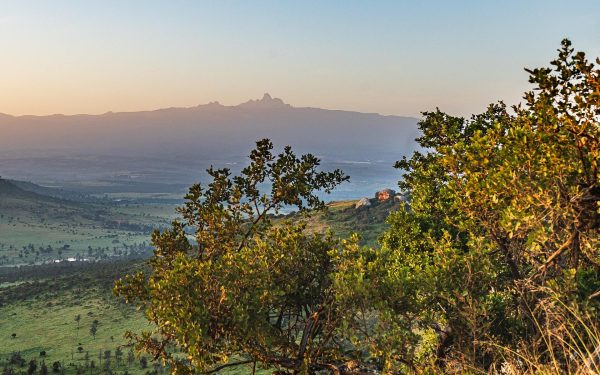 Conservation AreaBig Five
Laikipia Plateau
Kenya's wildlife heartland — a vast mosaic of private ranches and conservancies supporting more wildlife than any other…
Explore park →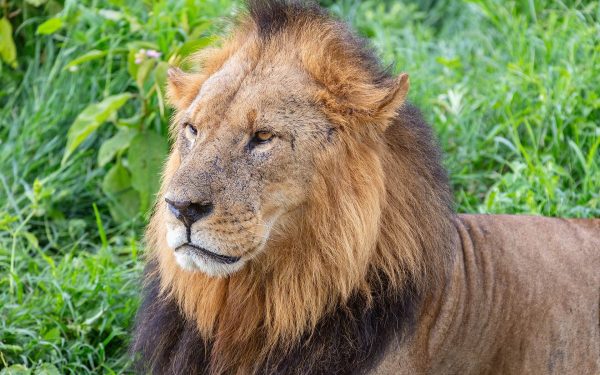 National Park
Lake Nakuru National Park
A compact Kenyan park famous for its flamingo-lined alkaline lake and excellent rhino conservation.
Explore park →Begin your journey
Ready to experience Tsavo East National Park?
Tell us when you want to travel and what you want to see, and we will match you with the right safari.
Plan your safari