
Safaris
Safaris in Chobe National Park
2 safaris that visit the park.
Park guide
Chobe National Park guide
Overview
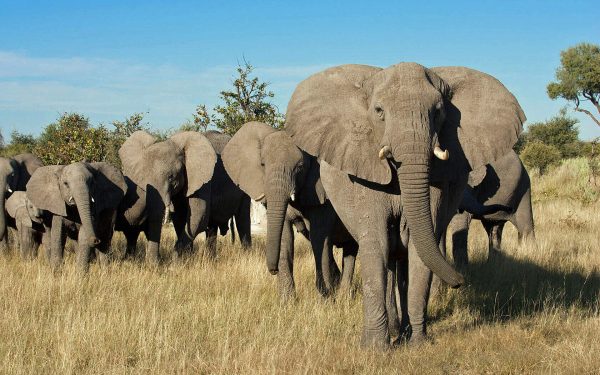
Chobe is Botswana’s first national park. Proclaimed a game reserve in 1960 and upgraded to national park status in the late 1960s, it is one of the easiest great parks in Africa to reach. It covers around 11,700 km² of the country’s north, from the broad Chobe River on the Namibian border to the Savuti Marsh and the remote woodlands of the interior. It is best known for elephants: in the dry season the riverfront hosts some of the largest gatherings anywhere on the continent, with family herds coming down to drink, bathe and swim across to the floodplains.
The park divides naturally into distinct areas. The Chobe Riverfront in the far north-east, close to the town of Kasane, is the most visited, with lush floodplains, riverine woodland and easy access. Savuti, in the west, is a wild landscape of open grassland, rocky outcrops and the famously unpredictable Savuti Channel, legendary for its predators. The Linyanti area in the north-west borders the Linyanti swamps and private concessions, while the Nogatsaa region in between is a quiet, seldom-visited woodland of pans.
That variety lets Chobe work in several ways: as a short stay from Victoria Falls, as part of a longer Botswana fly-in safari with the Okavango Delta, or as a self-drive adventure for experienced travellers. Accommodation ranges from riverside lodges in and around Kasane to tented camps near Savuti and in the Linyanti.
Wildlife
Elephants are the headline. Botswana is home to the world’s largest elephant population, and Chobe’s riverfront is where you can see them in remarkable numbers between about June and October, when water elsewhere has dried up. Watching a herd cross the river, trunks raised like snorkels, from a boat just metres away is a quintessential Chobe moment.
The riverfront supports large herds of buffalo, along with hippo, Nile crocodile, giraffe, sable and roan antelope, and the puku, an antelope rarely seen elsewhere in Botswana. Lion, leopard and spotted hyena are regularly seen, and wild dog pass through from time to time.
Savuti has a reputation for dramatic predator action. Its lions are known for hunting large prey, and the open plains are good for cheetah and wild dog. In the green season, zebra move through the Savuti region in large numbers, drawing predators with them.
Savuti’s landscape is shaped by the Savuti Channel, which has a long history of drying up and flowing again, linked to tectonic shifts in the region. After decades without water, it reached the Savuti Marsh again in 2010 for the first time since 1982, and the marsh it feeds changes the character of Savuti from year to year. Ask your guide how the channel looks during your visit; it is one of the region’s most fascinating stories.
Birdlife is excellent, with African fish eagles along the river, large flocks of carmine bee-eaters in the warmer months, and skimmers on the sandbanks. Rhino are not part of the usual Chobe experience, so if the Big Five matter to you, combine Chobe with a reserve where rhino are more reliably seen.
Key wildlife
Best Time to Visit
Short answer: Jun–Oct. Also good: May, Nov–Mar.
Peak Good Quieter
The dry season from June to October is the best time for the riverfront, when elephants and buffalo gather in huge numbers along the Chobe River. Temperatures rise steadily from July, and by October it can be very hot, but game viewing is at its most concentrated.
May is a lovely time to visit, with mild weather and the bush beginning to thin. The rains usually fall from November to March, when animals disperse into the interior, the landscape turns green and migrant birds arrive. This is the best time for Savuti, where zebra and predators follow the fresh grazing, and the riverfront is still beautiful and much quieter.
Boat safaris run all year, so the river offers rewarding wildlife viewing whatever the season.
Getting There
Kasane Airport (BBK) is the gateway to the Chobe Riverfront, with flights from Johannesburg and regional links. The riverfront gate at Sedudu is only a few minutes’ drive from Kasane, which makes Chobe exceptionally easy to reach.
Chobe is also an easy add-on from Victoria Falls. Kasane is around an hour and a half by road from Victoria Falls in Zimbabwe, crossing at Kazungula, and many itineraries include a day trip or short stay. Combining Chobe with Victoria Falls is one of the most popular short safaris in southern Africa.
Savuti and the Linyanti are remote and are usually reached by light aircraft from Kasane or Maun. By road they require a capable four-wheel-drive vehicle and experience on deep sand, so most luxury travellers fly.
Fees & Access
Entrance fees
Park fees are set by Botswana’s Department of Wildlife and National Parks and charged per person per day. Non-residents pay P270, residents of SADC countries P205 and Botswana citizens P30. A foreign-registered vehicle pays P115 per day. Children under 8 enter free.
Fees for boat cruises, game drives and lodge stays are usually included in your package. A planned fee increase for April 2026 was postponed, so check the current rates before you travel.
Gate hours
Riverfront (Sedudu) gate roughly 06:00–18:30; times vary slightly by season.
Health
Malaria risk: Moderate. Ask a travel clinic about antimalarials before you go.
Fees and gate times change. Check the latest rates with the park authority before you travel.
Things to Do
Boat safaris and river cruises on the Chobe River are the highlight for most visitors. Small boats let you get close to elephants, hippo, crocodiles and birds, and sunset cruises are especially memorable. Dedicated photographic boats, with swivel seats and low positions, are available for keen photographers.
Game drives along the riverfront and in Savuti take you through floodplains and woodland in search of predators and plains game. Private concessions bordering the park, especially in the Linyanti, also offer night drives and walking.
Fishing for tigerfish and bream is possible on the Chobe and Zambezi rivers outside the park, in season and with the right permits.
Victoria Falls is close enough for a day visit, or a few nights at the start or end of your safari. Combine Chobe with the falls and the Okavango, or look further afield to Zimbabwe’s Hwange National Park.
See our Chobe safari from Victoria Falls and romantic Chobe, delta and Mozambique island safari, browse all safaris, or plan your safari with us.
Location
Where is Chobe National Park?
Good to know
Chobe National Park FAQs
How much are Chobe National Park fees?
Non-residents pay P270 per person per day, SADC residents P205 and Botswana citizens P30. A foreign-registered vehicle pays P115 per day, and children under 8 are free. Fees are usually included in a lodge or safari package.
When is the best time to visit Chobe?
June to October is best for the riverfront, when elephants and buffalo gather along the Chobe River in huge numbers. The green season from November to March is quieter and is the best time for Savuti, when zebra and predators move through.
Can you do Chobe as a day trip from Victoria Falls?
Yes. Kasane is around an hour and a half by road from Victoria Falls, crossing at Kazungula, and day trips usually combine a morning game drive with a river cruise. Staying a night or two lets you enjoy the river at its best in the early morning and late afternoon.
What is the best way to see elephants in Chobe?
A boat safari on the Chobe River is hard to beat. In the dry season you can watch herds drinking, bathing and swimming across the river from just a few metres away. Photographic boats with swivel seats are available.
Which airport is closest to Chobe National Park?
Kasane Airport (BBK) is just minutes from the riverfront gate at Sedudu, with flights from Johannesburg. Savuti and the Linyanti are usually reached by light aircraft from Kasane or Maun.
Is Chobe a malaria area?
Yes. The Chobe region has a malaria risk, highest in the wet season from about November to April. Speak to a travel clinic about antimalarials and use insect repellent.
Keep exploring
More parks in Botswana
 Game Reserve
Central Kalahari Game Reserve
Botswana's vast and ancient desert reserve — a wild expanse of fossil river valleys and arid grassland teeming…
Explore park →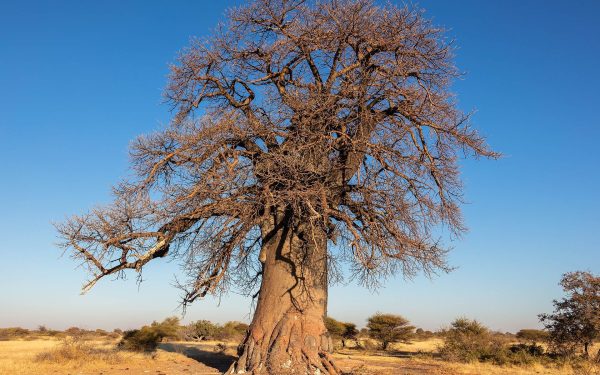 National Park
Makgadikgadi Pans National Park
Botswana's surreal salt pans — ancient lake beds that host spectacular zebra migrations and meerkat encounters.
Explore park →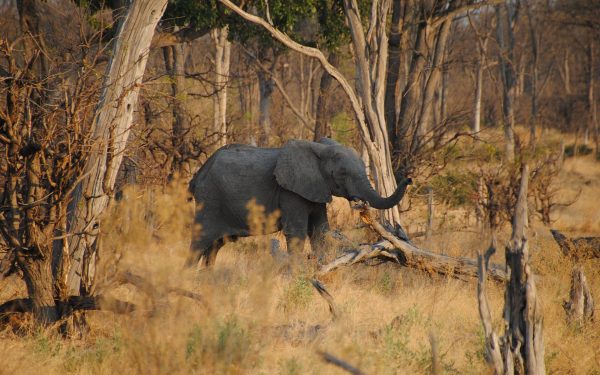 Game ReserveBig Five
Moremi Game Reserve
Botswana's first wildlife reserve covering the eastern Okavango Delta — where dry land safari meets delta waterways.
Explore park →Begin your journey
Ready to experience Chobe National Park?
Tell us when you want to travel and what you want to see, and we will match you with the right safari.
Plan your safari