Safaris
Safaris in Botswana
We have no itinerary listed for Central Kalahari Game Reserve yet. These safaris explore other parts of Botswana.
Park guide
Central Kalahari Game Reserve guide
Overview
The Central Kalahari Game Reserve in the heart of Botswana is one of the largest protected areas in Africa, covering about 52,800 km² of flat to gently undulating sandveld, grassland, scrub and ancient fossil riverbeds. Proclaimed in 1961, it is a place of vast horizons, huge skies and deep silence, where a few days without seeing another vehicle are entirely possible.
Despite its name, this is not a sand-dune desert. The Kalahari is a semi-arid savannah, covered in grasses and acacia bush, with shallow pans that hold water after the summer rains. Ancient river valleys such as Deception Valley, Passarge Valley and Piper Pans wind through the north of the reserve and attract wildlife when the grasses are green.
The reserve is part of the ancestral land of the San, among the oldest peoples in southern Africa. Many San communities were moved out of the reserve in the late 1990s and early 2000s; in 2006 Botswana’s High Court ruled that the removals were unlawful and recognised the right of those involved to return. The history remains an important part of the reserve’s story.
The Central Kalahari pairs well with the waterways of the Okavango Delta and the salt pans of Makgadikgadi for a contrasting Botswana safari.
Wildlife
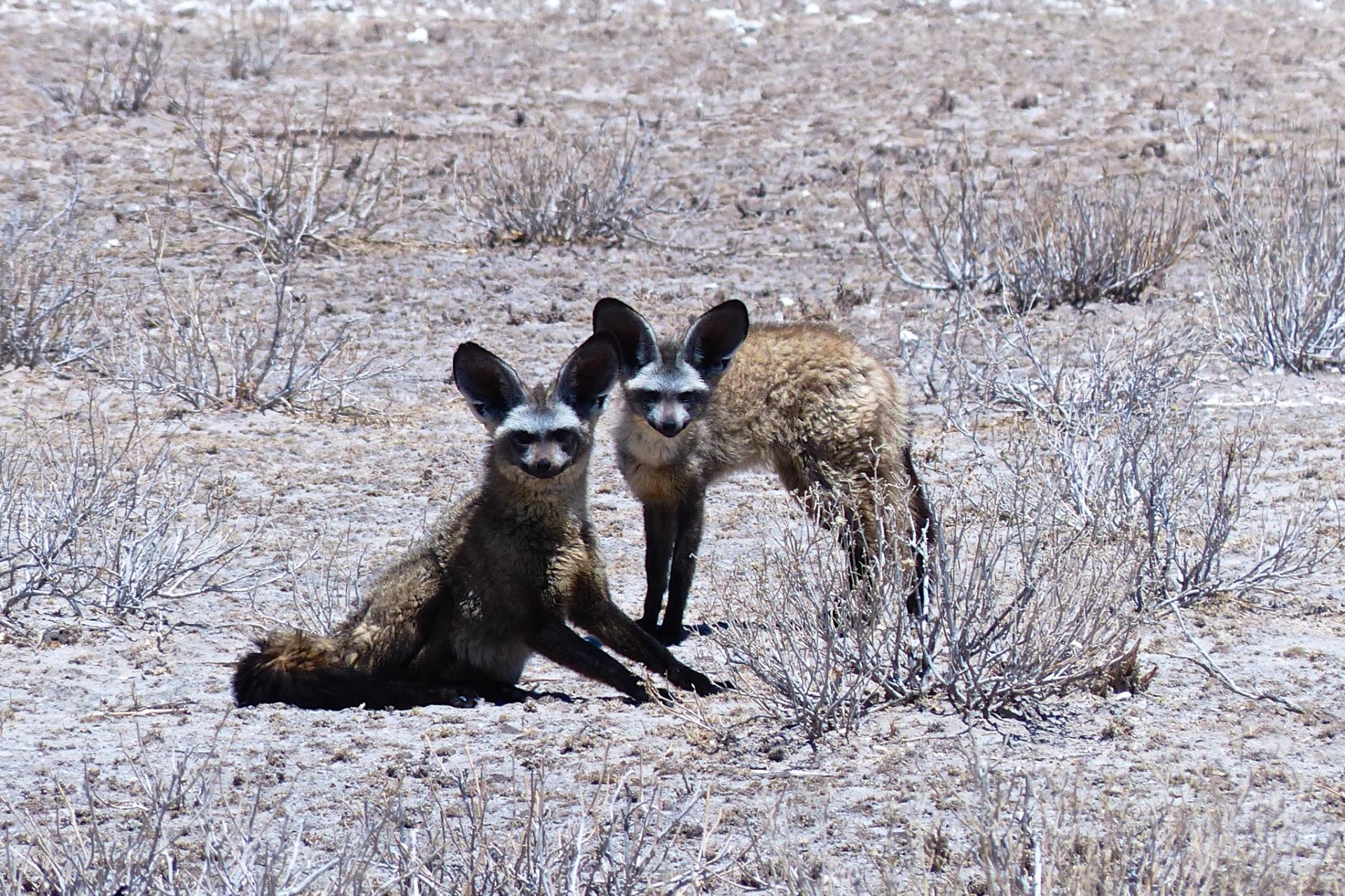
The Kalahari is famous for its lions, including impressive black-maned males, which roam widely across the reserve. Cheetah, leopard, brown hyena, African wild dog, black-backed jackal, bat-eared fox and honey badger are also found here, and the open terrain can make predator sightings excellent.
After the rains, large herds of springbok, gemsbok, blue wildebeest, red hartebeest and eland gather on the green grasslands of the northern valleys, with giraffe and kudu in the bush. Meerkats, ground squirrels and other small mammals are common.
Birdlife is at its best in summer, when migrants arrive. Look out for kori bustards, secretary birds, ostriches, pale chanting goshawks and many larks. There are no elephants or buffalo in the reserve, and it is not a Big Five destination.
Key wildlife
Best Time to Visit
Short answer: Dec–Apr. Also good: May–Jun.
Peak Good Quieter
The best time to visit is during and just after the summer rains, from about December to April. The grasslands turn green, the pans may hold water, and herds of antelope gather in the northern valleys, followed by predators. Afternoon thunderstorms are common.
The dry winter months, from about May to October, are cooler, with very cold nights and clear skies. Wildlife is more dispersed, but predators can still be seen, and the stark landscapes are beautiful. From September to November, temperatures can be extremely high.
Getting There
Most visitors fly into Maun Airport (MUB), the gateway to northern Botswana, and then either take a light-aircraft flight to a lodge airstrip in or near the reserve or drive to the reserve’s gates.
The main northern gate, Matswere, is a long drive from Maun on tar and sandy tracks. Self-drive visitors need a well-equipped four-wheel-drive vehicle, recovery gear and all their own food, water and fuel, as there are no shops or fuel inside the reserve. Campsites must be booked in advance, and it is best to travel with at least two vehicles.
Fees & Access
Entrance fees
Park fees are set by Botswana’s Department of Wildlife and National Parks and charged per person per day. On the current schedule, non-residents pay P190, residents of SADC countries P145 and Botswana citizens P30. Children under 8 enter free. Vehicle fees and campsites are charged separately, and campsites must be booked in advance.
Lodge packages usually include park fees. A planned fee increase for April 2026 was postponed, so check the current rates before you travel.
Gate hours
Sunrise - Sunset
Health
Malaria risk: Low. Ask a travel clinic about antimalarials before you go.
Fees and gate times change. Check the latest rates with the park authority before you travel.
Things to Do
Game drives in the northern valleys, such as Deception Valley, are the main activity, with good chances of lion, cheetah and large herds after the rains.
Self-drive camping safaris offer a true wilderness experience, with remote campsites and star-filled skies.
Walks with San guides, offered by some lodges near the reserve, share traditional knowledge of tracking, plants and survival in the Kalahari.
Stargazing is exceptional, thanks to clear desert skies far from any light pollution.
Explore Botswana’s other parks, such as the Okavango Delta and Makgadikgadi, browse all safaris, or plan your safari with us.
Location
Where is Central Kalahari Game Reserve?
Good to know
Central Kalahari Game Reserve FAQs
How much are Central Kalahari Game Reserve fees?
On the current DWNP schedule, non-residents pay P190 per person per day, SADC residents P145 and Botswana citizens P30. Children under 8 are free. Vehicle and campsite fees are extra, and a planned 2026 increase was postponed.
When is the best time to visit the Central Kalahari?
December to April, during and after the rains, is best. The northern valleys turn green and attract large herds of antelope, followed by lion and cheetah.
Do you need a 4x4 for the Central Kalahari?
Yes. Self-drive visitors need a well-equipped four-wheel-drive vehicle and must be fully self-sufficient, as there is no fuel, food or water for sale inside the reserve.
Are there elephants in the Central Kalahari?
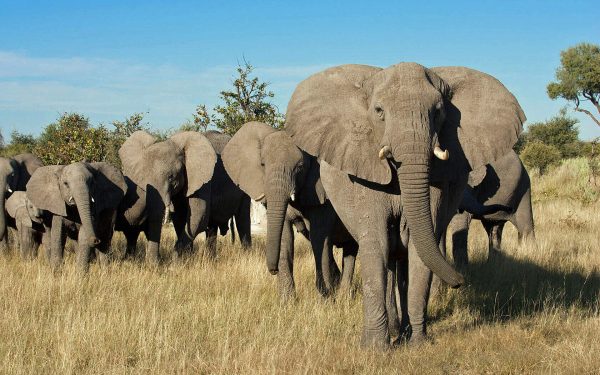
No. The reserve has no elephant, buffalo or rhino, but it is known for black-maned lions, cheetah, brown hyena and large antelope herds.
How do you get to the Central Kalahari?
Most visitors fly to Maun Airport (MUB), then take a light-aircraft flight to a lodge airstrip or drive to Matswere Gate in the north of the reserve.
Who are the San of the Central Kalahari?
The reserve is part of the ancestral land of the San, one of the oldest peoples in southern Africa. Some lodges near the reserve offer walks with San guides.
Keep exploring
More parks in Botswana
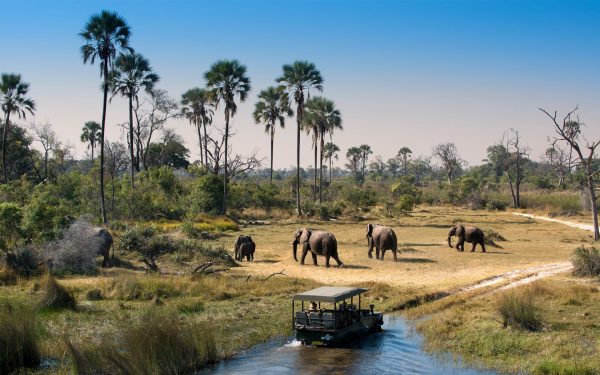 National Park
Chobe National Park
Botswana's first national park renowned for having the largest concentration of elephants in Africa.
Explore park →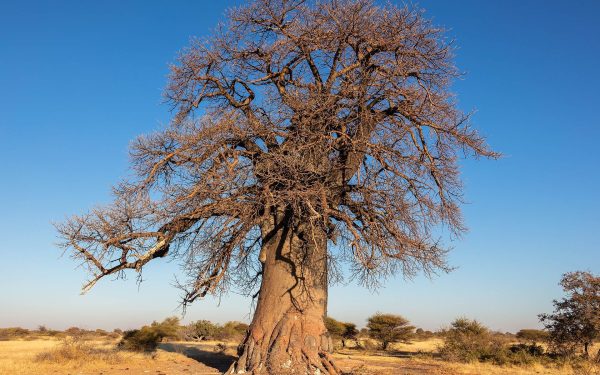 National Park
Makgadikgadi Pans National Park
Botswana's surreal salt pans — ancient lake beds that host spectacular zebra migrations and meerkat encounters.
Explore park →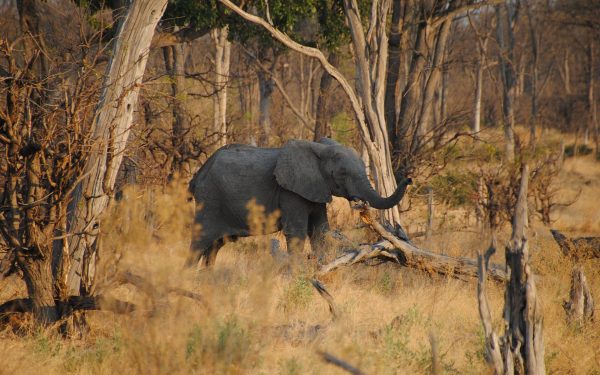 Game ReserveBig Five
Moremi Game Reserve
Botswana's first wildlife reserve covering the eastern Okavango Delta — where dry land safari meets delta waterways.
Explore park →Begin your journey
Ready to experience Central Kalahari Game Reserve?
Tell us when you want to travel and what you want to see, and we will match you with the right safari.
Plan your safari