

Safaris
Safaris in Bazaruto Archipelago National Park
2 safaris that visit the park.
Park guide
Bazaruto Archipelago National Park guide
Overview
The Bazaruto Archipelago National Park protects a chain of islands, sand dunes, reefs and seagrass beds off the coast of southern Mozambique, near the town of Vilankulo. Established in 1971 and later expanded, it covers around 1,583 km² of ocean and islands, according to Mozambique’s National Administration of Conservation Areas (ANAC), and is one of the most important marine protected areas in the western Indian Ocean.
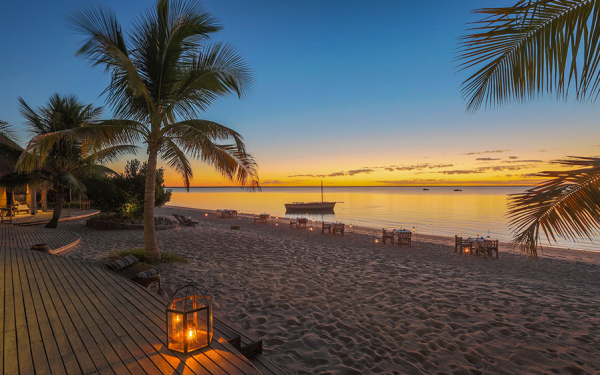
The archipelago is made up of five main islands: Bazaruto, the largest, Benguerra, Magaruque, Santa Carolina and the tiny Bangué. The larger islands are fringed by white beaches and turquoise lagoons and backed by towering sand dunes, freshwater lakes and coastal forest, while the surrounding waters protect coral reefs, sandbanks and extensive seagrass meadows.
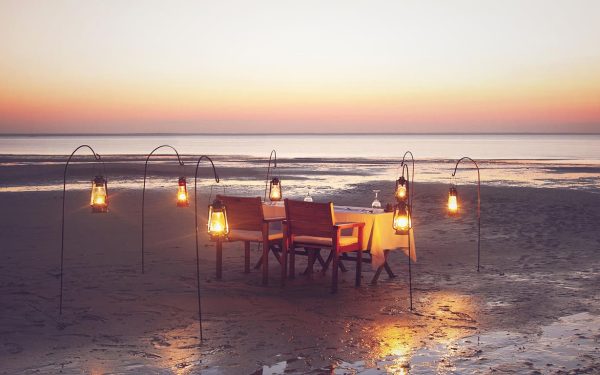
Bazaruto is a classic place to end a safari with a beach stay. Accommodation is limited to a small number of island lodges, from barefoot luxury retreats with private villas to relaxed beach lodges, so the islands remain quiet and unspoilt. Communities also live on the islands, and the park is managed with their involvement.
Wildlife
Bazaruto is best known for its marine life. The archipelago’s seagrass beds support the largest remaining population of dugongs in East Africa, a shy, endangered marine mammal related to the manatee. Sightings are never guaranteed but are possible on boat trips and scenic flights.
The reefs are home to hundreds of species of tropical fish, along with corals, rays and moray eels. Manta rays and whale sharks are seen at times, and dolphins are common. Several species of sea turtle, including loggerhead, green and leatherback turtles, live in the area, and some nest on the island beaches in summer. Humpback whales pass through the channel during their winter migration.
On land, the islands support samango monkeys, duikers, red squirrels and pythons, and Nile crocodiles live in some of the freshwater lakes. More than 180 bird species have been recorded, with flamingos on the tidal flats at times, waders, fish eagles and many migrant shorebirds.
Key wildlife
Best Time to Visit
Short answer: May–Nov. Also good: Dec, Apr.
Peak Good Quieter
Bazaruto has a warm, tropical climate and can be visited all year. The dry winter months from May to November are the most comfortable, with sunny days, lower humidity and cooler nights. Humpback whales are usually seen between about July and October.
The summer months from December to April are hot and humid, with most of the year’s rain and the possibility of tropical cyclones, particularly from January to March. Summer is also turtle nesting season and offers warm, clear water for diving and snorkelling between weather systems. Malaria is present along the Mozambique coast, so take medical advice before you travel.
Getting There
Vilankulo Airport (VNX) is the gateway to the archipelago, with flights from Johannesburg and Maputo. From Vilankulo, island lodges arrange transfers by boat or helicopter, depending on the lodge, taking from around 15 minutes by air to an hour by boat.
Many travellers combine Bazaruto with a safari in the Kruger or the Sabi Sand, flying from Johannesburg or the Kruger area to Vilankulo. Day trips to the islands are also available from Vilankulo.
See our Kruger to coast safari and sea and romantic Chobe, delta and Mozambique island safari.
Fees & Access
Entrance fees
International visitors pay a park conservation fee of 900 meticais per person per day for any excursion or overnight stay in the park, with extra charges for some activities such as snorkelling. Island lodges and licensed boat operators usually include or collect the fee; independent visitors can pay at the park office in Vilankulo before crossing. Confirm current rates with your lodge or operator, as they are not published on the park authority’s website.
Gate hours
Park open 24 hours, every day (ANAC).
Health
Malaria risk: Moderate. Ask a travel clinic about antimalarials before you go.
Fees and gate times change. Check the latest rates with the park authority before you travel.
Things to Do
Snorkelling and diving on the reefs, including the well-known Two Mile Reef, reveal colourful fish, corals and, with luck, turtles and rays.
Dhow cruises on traditional sailing boats are a relaxing way to explore the islands, often with a sandbank picnic.
Dune walks to the top of the islands’ high dunes offer spectacular views over the turquoise channels and sandbanks.
Fishing trips for game fish such as marlin and sailfish are popular, with catch-and-release encouraged.
Kayaking, paddleboarding and horse riding on the beaches are offered at some lodges.
Browse all safaris or plan your safari with us to add Bazaruto to your trip.
Location
Where is Bazaruto Archipelago National Park?
Good to know
Bazaruto Archipelago National Park FAQs
Is there a park fee for Bazaruto?
Yes. International visitors pay a conservation fee of 900 meticais per person per day for excursions or stays in the park, with extra charges for some activities. Lodges and licensed operators usually include or collect it.
Can you see dugongs at Bazaruto?
Bazaruto has the largest dugong population on the East African coast, but dugongs are shy and sightings are never guaranteed. Boat trips over the seagrass beds and scenic flights give the best chance.
How do you get to the Bazaruto Archipelago?
Fly to Vilankulo Airport (VNX), with flights from Johannesburg and Maputo, then transfer to your island lodge by boat or helicopter.
When is the best time to visit Bazaruto?
May to November is dry, sunny and less humid, with humpback whales from about July to October. December to April is hot and humid, with most of the rain and a risk of cyclones, especially from January to March.
Is Bazaruto a malaria area?
Yes. Malaria is present along the Mozambique coast, including Vilankulo and the islands. Speak to a travel clinic about antimalarials before you travel.
How many islands are in the Bazaruto Archipelago?
There are five main islands: Bazaruto, Benguerra, Magaruque, Santa Carolina and Bangué.
Keep exploring
More parks in Mozambique
 National Park
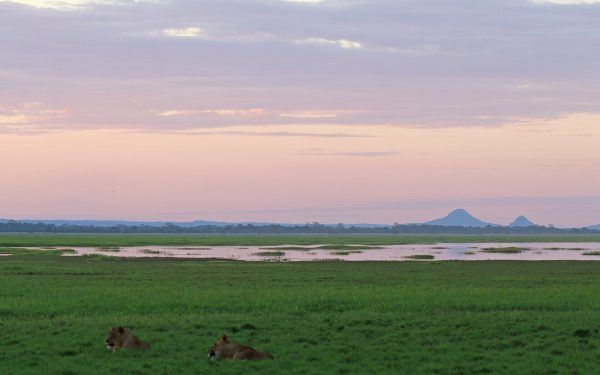
Gorongosa National Park
Mozambique's wildlife restoration miracle — a once-devastated park now thriving as one of Africa's greatest recovery stories.
Explore park →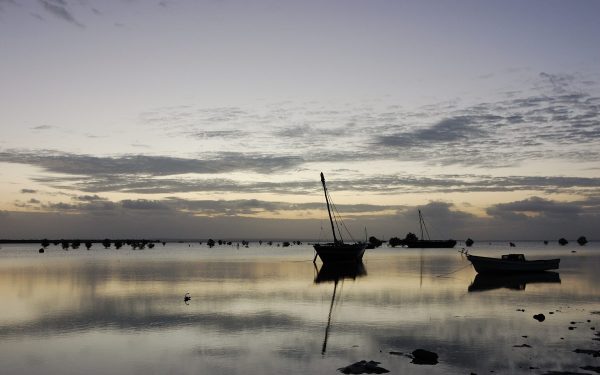 National Park
Quirimbas National Park
A remote northern Mozambique park combining pristine coral archipelago with mainland miombo woodland and coastal forest.
Explore park →Begin your journey
Ready to experience Bazaruto Archipelago National Park?
Tell us when you want to travel and what you want to see, and we will match you with the right safari.
Plan your safari