
Safaris
Safaris in Moremi Game Reserve
1 safari that visits the park.
Park guide
Moremi Game Reserve guide
Overview
Moremi Game Reserve protects the eastern side of the Okavango Delta in northern Botswana, and it is one of the finest wildlife areas in Africa. Proclaimed in 1963 at the initiative of the Batawana people, who were concerned about the loss of wildlife on their ancestral land, it is often described as the first reserve in Africa created by local residents. Chief’s Island, a large tract of land deep in the delta, was later added to the reserve.
Moremi’s magic lies in its mix of habitats. According to UNESCO, around 40 percent of the Okavango Delta lies within the reserve, and here permanent swamps, seasonal floodplains, lagoons and channels meet dry mopane woodland, acacia and grassland. That interface between water and land supports an extraordinary density and variety of wildlife, and it allows both water-based and land-based safaris in a single stay.
The reserve can be explored in several ways. Lodges and camps in and around Moremi, including in the Khwai area on its north-eastern boundary, offer guided game drives and water activities, while experienced self-drive campers can stay at the public campsites at Xakanaxa, Third Bridge, Khwai and South Gate. Unlike the private concessions of the inner delta, Moremi can be reached by road, but its tracks are sandy and, when the floods are high, sometimes under water.
Wildlife
Moremi is one of Africa’s great predator destinations. Lion prides are widespread, leopard are often seen in the riverine woodland, cheetah hunt on the open floodplains, and the reserve is one of the best places in Africa to see the endangered African wild dog. Spotted hyena are common, and the smaller cats and jackals add to the predator list.
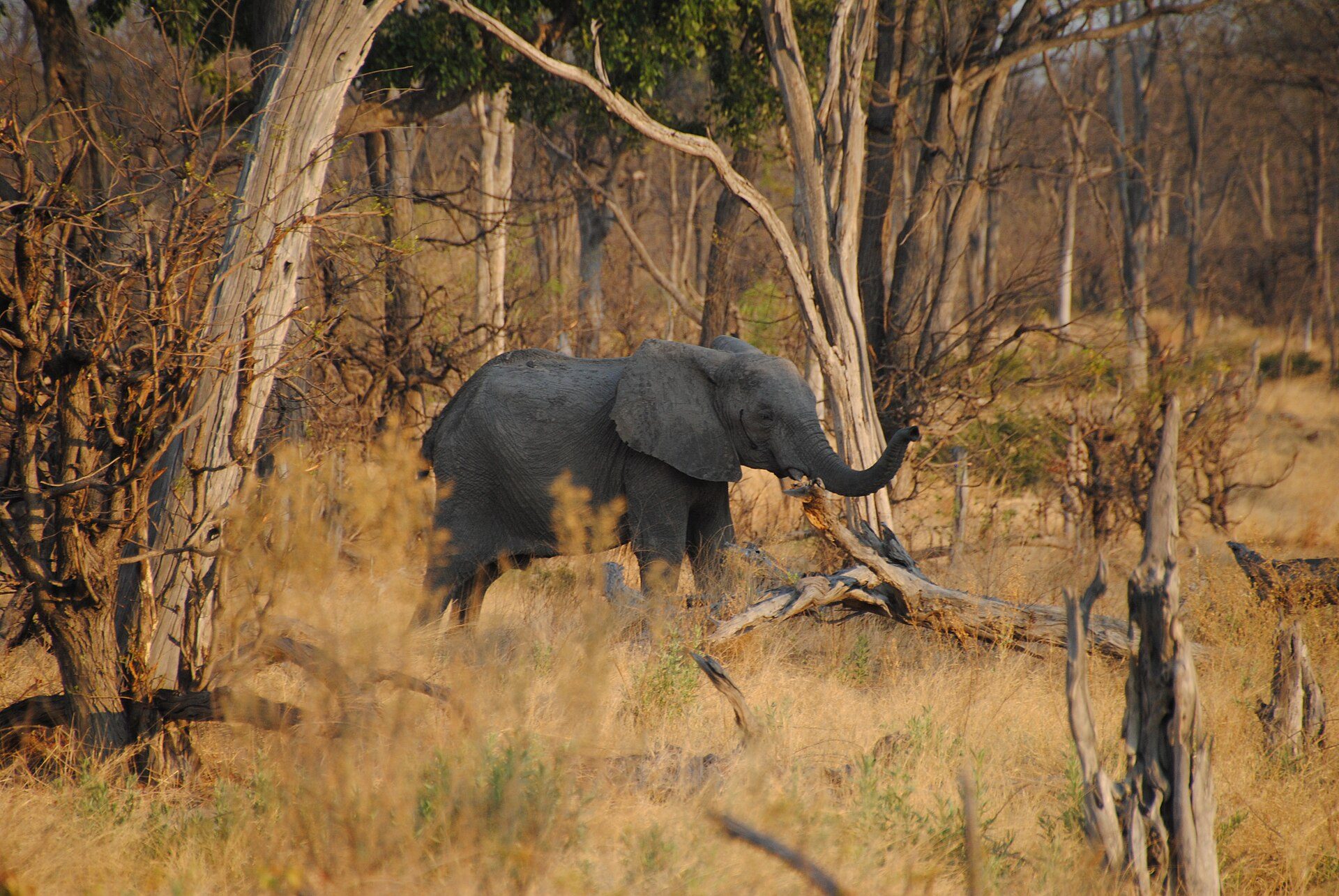
Large herds of elephant and buffalo move through the reserve, especially in the dry season, along with giraffe, zebra, blue wildebeest, kudu, tsessebe, impala and the water-loving red lechwe. Hippo and Nile crocodile are found in the lagoons and channels, and the papyrus swamps hide the shy sitatunga. Sable and roan antelope are occasionally seen in the woodland. Rhino have been reintroduced to parts of the Okavango, including Moremi, but sightings are rare and their locations are kept quiet.
Birdlife is spectacular, with herons, storks, egrets, African fish eagles and wattled cranes along the waterways, and breeding colonies of storks and herons at Xakanaxa in season. Pel’s fishing owl is a prize for birders in the tall riverine trees.
Key wildlife
All of the Big Five (lion, leopard, elephant, rhino and buffalo) live in Moremi Game Reserve.
Best Time to Visit
Short answer: Jun–Oct. Also good: Apr–May.
Peak Good Quieter
The dry season from June to October is the classic time to visit Moremi. The floodwaters from Angola usually peak around June and July, while the surrounding bush dries out, so wildlife concentrates along the water’s edge. Game viewing improves as the season goes on, and September and October are excellent, though October can be very hot.
The rains usually fall from November to March. This is the green season, when the landscape is lush, many antelope give birth and migratory birds arrive. Wildlife is more dispersed, some tracks become difficult, and some campsites may close, but it is a beautiful and quieter time to visit, often with lower rates at lodges.
April and May are pleasant shoulder months. Flood levels vary greatly from year to year, and high water can close sections of road and some campsites, so always check the current access situation before you travel.
Getting There
Maun Airport (MUB) is the gateway to Moremi, with regional flights from Johannesburg and other hubs. From Maun, most lodge guests fly by light aircraft to an airstrip close to their camp, a short flight of around 20 to 40 minutes.
By road, South Gate (Maqwee) is roughly 100 km north of Maun, with the final stretch on sandy tracks, and North Gate is reached via the Khwai area. A high-clearance four-wheel-drive vehicle and experience on sand and water crossings are essential, and campsites must be booked in advance. From 1 April to 30 September the gates open at 06:00 and close at 18:30; from 1 October to 31 March they open at 05:30 and close at 19:00.
Moremi is often combined with Chobe National Park to the north-east, either by road via Savuti or by light aircraft.
Fees & Access
Entrance fees
Park fees are set by Botswana’s Department of Wildlife and National Parks and charged per person per day. Non-residents pay P270, residents of SADC countries P205 and Botswana citizens P30. A foreign-registered vehicle pays P115 per day. Children under 8 enter free. Campsites are booked and paid separately.
Lodge and camp packages usually include park fees. A planned fee increase for April 2026 was postponed, so check the current rates before you travel.
Gate hours
1 April–30 September: 06:00–18:30. 1 October–31 March: 05:30–19:00.
Health
Malaria risk: Moderate. Ask a travel clinic about antimalarials before you go.
Fees and gate times change. Check the latest rates with the park authority before you travel.
Things to Do
Game drives in open vehicles are the main activity, exploring floodplains, woodland and lagoon shores in search of predators and big herds.
Boat trips from areas such as Xakanaxa explore the lagoons and channels, a wonderful way to see birds, hippo and elephants crossing the water.
Mokoro excursions are offered from some lodges and areas when water levels allow, gliding through the shallows in a traditional dugout canoe.
Self-drive camping at the public campsites gives experienced travellers the chance to explore Moremi independently.
Night drives and guided walks are not permitted in the reserve itself, but camps in the neighbouring Khwai community area and other private concessions offer them, adding nocturnal animals and walking to a Moremi stay.
Scenic flights over the delta show the patterns of water and islands from above.
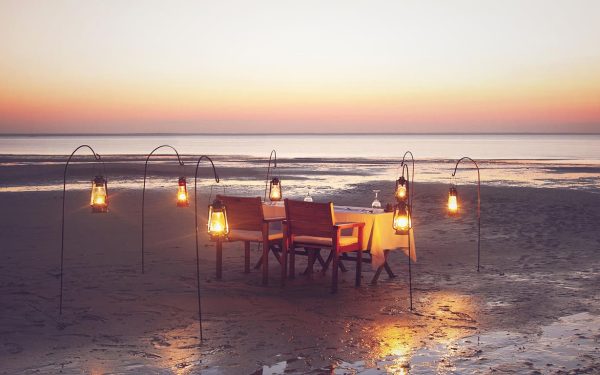
See our romantic Chobe, delta and Mozambique island safari, browse all safaris, or plan your safari with us.
Location
Where is Moremi Game Reserve?
Good to know
Moremi Game Reserve FAQs
How much are Moremi Game Reserve fees?
Non-residents pay P270 per person per day, SADC residents P205 and Botswana citizens P30. A foreign-registered vehicle pays P115 per day, and children under 8 are free. Fees are usually included in a lodge or safari package.
What is the difference between Moremi and the Okavango Delta?
Moremi Game Reserve is the protected area on the eastern side of the Okavango Delta, covering around 40 percent of the delta. The rest of the delta is made up of private concessions and community areas, where most of the exclusive fly-in camps are found.
When is the best time to visit Moremi?
June to October is best, when the floodwaters are high, the bush is dry and wildlife gathers near the water. The green season from November to March is quieter and beautiful, but some tracks and campsites can be difficult or closed.
Can you self-drive in Moremi?
Yes, with a high-clearance four-wheel-drive vehicle, experience on deep sand and water crossings, and pre-booked campsites. High floodwater can close roads and campsites, so check current access before you go.
What are the Moremi gate times?
From 1 April to 30 September the gates open at 06:00 and close at 18:30. From 1 October to 31 March they open at 05:30 and close at 19:00.
Is Moremi a malaria area?
Yes. Northern Botswana is a malaria area, with the highest risk in the wet season from about November to April. Speak to a travel clinic about antimalarials before you travel.
Keep exploring
More parks in Botswana
 Game Reserve
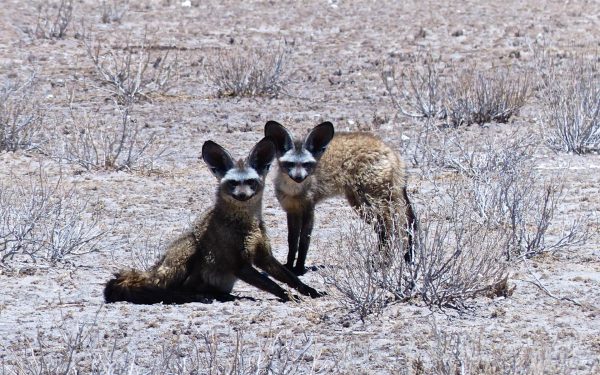
Central Kalahari Game Reserve
Botswana's vast and ancient desert reserve — a wild expanse of fossil river valleys and arid grassland teeming…
Explore park →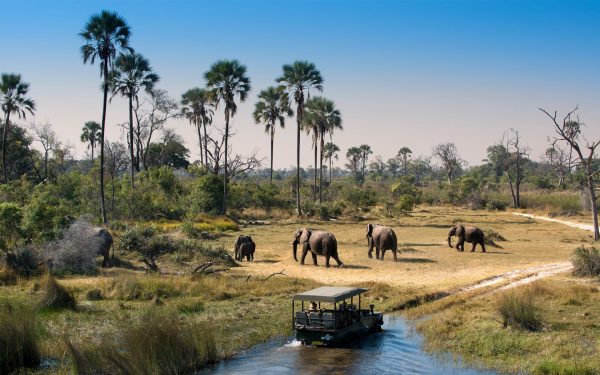 National Park
Chobe National Park
Botswana's first national park renowned for having the largest concentration of elephants in Africa.
Explore park → National Park
Makgadikgadi Pans National Park
Botswana's surreal salt pans — ancient lake beds that host spectacular zebra migrations and meerkat encounters.
Explore park →Begin your journey
Ready to experience Moremi Game Reserve?
Tell us when you want to travel and what you want to see, and we will match you with the right safari.
Plan your safari