
Safaris
Safaris in Lower Zambezi National Park
We are still adding safaris that include Lower Zambezi National Park. Tell us your dates and we will suggest a trip.
Plan your safari Browse all safarisPark guide
Lower Zambezi National Park guide
Overview
Lower Zambezi National Park lies on the northern bank of the Zambezi River in southern Zambia, directly opposite Zimbabwe’s Mana Pools National Park. Proclaimed in 1983, it covers about 4,092 km², stretching from the river floodplain up to the steep, wooded escarpment of the Zambezi Valley. Together with Mana Pools and the surrounding wildlife areas, it forms one of the largest wilderness areas in the region.
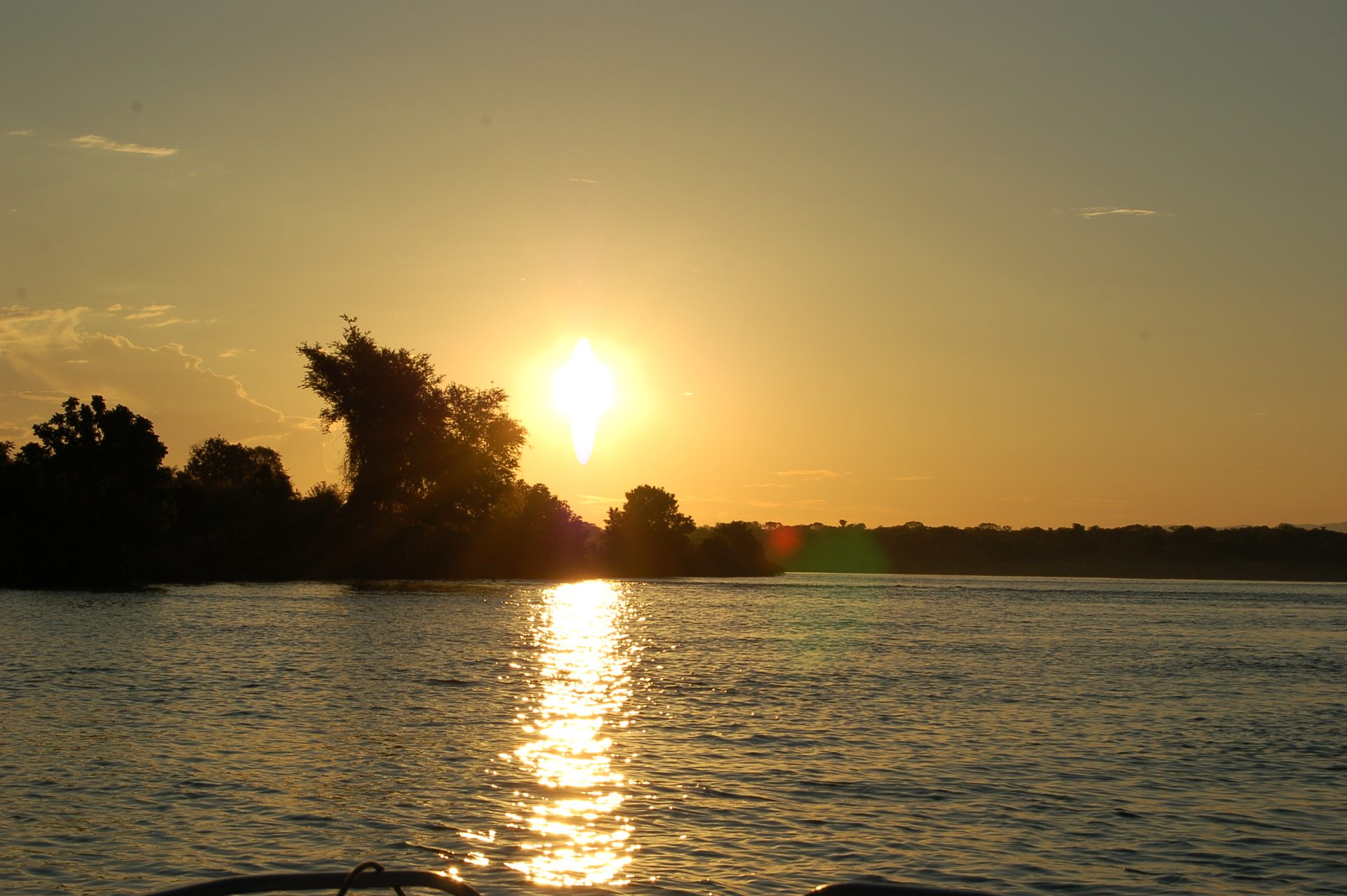
The river is the heart of the park. Its channels, islands and sandbanks are fringed by tall winterthorn and mahogany trees, and wildlife gathers on the floodplain to graze and drink, especially in the dry season. The combination of river and bush makes the Lower Zambezi one of the most varied safari destinations in southern Africa, with game drives, walking, canoeing, boating and fishing all on offer.
The Chongwe River marks the park’s western boundary, and the most visited area lies in the west of the park, where the floodplain is broad and most camps are found. Further east, the park becomes wilder and more remote, while the escarpment hills inland are rugged and rarely visited. Recovery from poaching in past decades has been helped by anti-poaching work supported by the safari operators and conservation organisations active in the valley.
Most camps and lodges lie along the river, either inside the park or in the game management areas just upstream, and many are small and intimate, with views across the Zambezi to the hills of Zimbabwe.
Wildlife
Elephants are a constant presence in the Lower Zambezi, feeding on the floodplain, crossing between islands and sometimes wandering through camp. Large herds of buffalo graze the riverbanks, and hippo and Nile crocodile are abundant in the river.
Lion and leopard are regularly seen, and leopard sightings on night drives are a highlight. Spotted hyena are common, and wild dog are seen from time to time. Antelope include waterbuck, impala, kudu, bushbuck and eland, along with zebra and warthog. Rhino are not found here, so it is not a Big Five park.
Birdlife is excellent, with several hundred species recorded. African fish eagles, carmine bee-eaters, African skimmers, goliath herons and kingfishers are common along the river. The Zambezi is also famous for tigerfish, one of Africa’s most prized freshwater game fish.
Key wildlife
Best Time to Visit
Short answer: Jun–Oct. Also good: May, Nov.
Peak Good Quieter
The dry season from June to October is the best time to visit, with wildlife concentrated on the floodplain and the river at its most accessible for canoeing. Temperatures rise steadily from August, and October is very hot. May and early November are good shoulder months.
The rains usually fall from November to April, and most camps close for part of this period, as roads become impassable. The fishing season for tigerfish is generally at its best in the warmer months either side of the rains. Malaria is a risk all year in the low-lying valley, so take medical advice before you travel.
Getting There
Most visitors fly from Kenneth Kaunda International Airport (LUN) in Lusaka to one of the park’s airstrips, such as Jeki or Royal, a flight of around 30 to 40 minutes. Camps collect guests from the airstrip.
By road, the park can be reached from Lusaka via Chirundu in around three to four hours, followed by a boat or road transfer to your camp. Some camps also arrange boat transfers along the river from the Chirundu area. The Lower Zambezi combines well with South Luangwa and Victoria Falls.
Fees & Access
Entrance fees
Park entry is set by Zambia’s Department of National Parks and Wildlife and charged per person per day, where a day runs from 06:00 to 18:00. International visitors pay US$25, self-drivers of any nationality US$30, residents and SADC nationals US$20 and Zambian citizens K55.60. Children under 5 are free and children aged 5 to 13 pay half. Canoeing carries an activity fee of US$20 per person per day for non-residents.
Fees are usually included in lodge packages.
Gate hours
6:00 AM - 6:00 PM
Health
Malaria risk: High. Ask a travel clinic about antimalarials before you go.
Fees and gate times change. Check the latest rates with the park authority before you travel.
Things to Do
Canoe safaris through the side channels of the Zambezi are the highlight, gliding past elephants, hippos and birds at water level.
Game drives by day and night on the floodplain and in the woodland, in search of predators and big herds.
Boat trips on the main river, perfect for sundowners and birdwatching.
Walking safaris with an armed scout and guide.
Tigerfishing on a catch-and-release basis, with permits arranged through your camp.
Compare Zimbabwe’s Mana Pools across the river, browse all safaris, or plan your safari with us.
Location
Where is Lower Zambezi National Park?
Good to know
Lower Zambezi National Park FAQs
How much are Lower Zambezi park fees?
International visitors pay US$25 per person per day, and self-drivers pay US$30. Children under 5 are free and those aged 5 to 13 pay half. Canoeing has an extra activity fee. Fees are usually included in lodge packages.
Can you canoe in the Lower Zambezi?
Yes. Canoe safaris through the quiet side channels of the Zambezi are the park’s signature activity, led by experienced guides.
When is the best time to visit the Lower Zambezi?
June to October is best, when wildlife gathers on the floodplain and canoeing conditions are ideal. Most camps close for part of the rains from November to April.
How do you get to the Lower Zambezi?
Fly from Kenneth Kaunda International Airport (LUN) in Lusaka to the Jeki or Royal airstrip in around 30 to 40 minutes, or drive via Chirundu in about three to four hours and transfer to your camp.
Is the Lower Zambezi opposite Mana Pools?
Yes. The Lower Zambezi is on the Zambian bank of the river, directly opposite Zimbabwe’s Mana Pools National Park, and the two parks together form one large wilderness area.
Is the Lower Zambezi a malaria area?
Yes. The Zambezi Valley is low-lying and hot, and malaria is a risk all year. Take medical advice on antimalarials before you travel.
Keep exploring
More parks in Zambia
 National Park
Kafue National Park
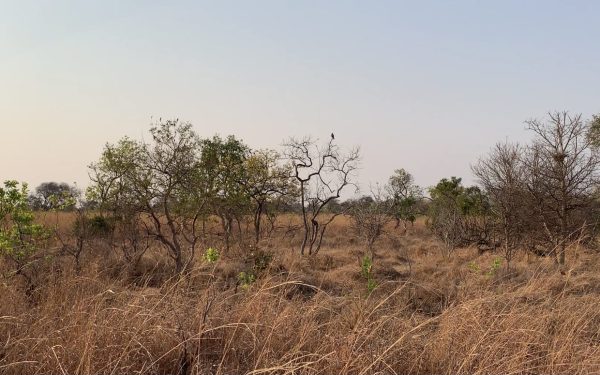
Zambia's oldest and largest national park — a vast wilderness of miombo woodland and floodplains teeming with wildlife.
Explore park →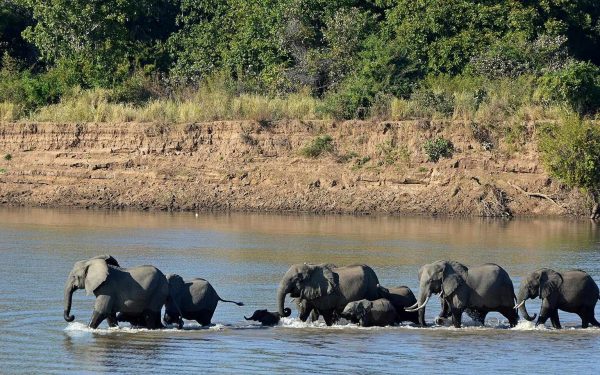 National Park
South Luangwa National Park
Zambia's finest wildlife destination and the birthplace of the African walking safari.
Explore park →Begin your journey
Ready to experience Lower Zambezi National Park?
Tell us when you want to travel and what you want to see, and we will match you with the right safari.
Plan your safari