
Safaris
Safaris in Mana Pools National Park
We are still adding safaris that include Mana Pools National Park. Tell us your dates and we will suggest a trip.
Plan your safari Browse all safarisPark guide
Mana Pools National Park guide
Overview
Mana Pools National Park, on the southern bank of the Zambezi River in northern Zimbabwe, is one of Africa’s most beautiful and unspoilt wilderness areas. Covering about 2,196 km², it became a national park in 1975, and together with the neighbouring Sapi and Chewore safari areas it was inscribed as a UNESCO World Heritage Site in 1984. Its name comes from the Shona word for “four”, after the four large pools left behind by the Zambezi as it changed course over thousands of years.
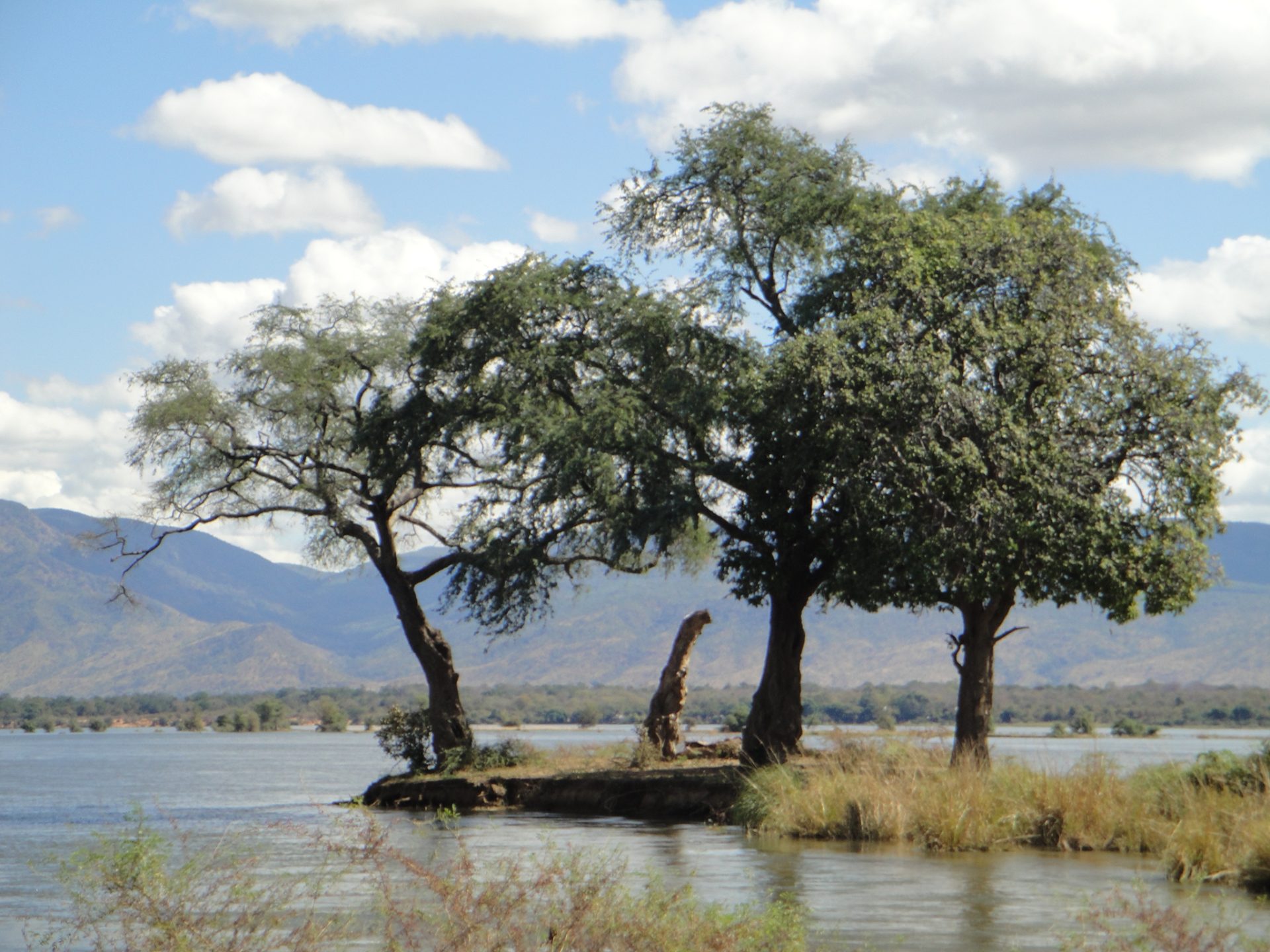
The heart of the park is its floodplain, a landscape of channels, sandbanks and pools shaded by tall winterthorn (Faidherbia albida) trees, mahogany and ebony. The open woodland, with the escarpment of the Rift Valley rising beyond and Zambia’s hills across the river, gives Mana Pools a park-like beauty that photographers love.
Mana Pools is also one of the few national parks in Africa where visitors are allowed to walk unguided in certain areas, a reflection of its wild, open character. Most visitors, however, explore with a professional guide, and the park’s walking safaris are among the best in Africa. Accommodation is limited to a small number of lodges, seasonal tented camps and the national park’s own lodges and campsites, which keeps visitor numbers low.
Wildlife
Elephants are one of Mana Pools’ great attractions. Some bulls here have learnt to stand on their hind legs to reach the nutritious pods of the albida trees, a remarkable sight. Large herds of buffalo move across the floodplain, and eland, kudu, waterbuck, impala, nyala and zebra are common.
Mana Pools is known for its predators. Lion and leopard are present, spotted hyena are common, and the park is one of the best places in Zimbabwe to see African wild dog, particularly when packs are denning in the dry season. Watching wild dogs on foot, with an experienced guide, is one of the most memorable experiences in African safari.
The Zambezi supports large numbers of hippo and Nile crocodile, and the river is famous for tigerfish. Birdlife is rich, with carmine bee-eaters, African skimmers, Lilian’s lovebirds, fish eagles and many waders along the river. Rhino were lost to poaching and are no longer found in the park.
Walking in Mana Pools is special because the albida woodland is open and the ground is mostly flat, so you can see animals from a distance and approach carefully on foot. Good guides here are experts at reading animal behaviour, and encounters with elephants, buffalo or a pride of lions on foot are handled calmly and respectfully. Always follow your guide’s instructions, and remember that this is wild country with dangerous animals.
Key wildlife
Best Time to Visit
Short answer: Jun–Oct. Also good: May, Nov.
Peak Good Quieter
The dry season from June to October is the best time to visit Mana Pools. Water away from the river dries up, so animals gather on the floodplain, and the albida trees drop their pods, drawing elephants and antelope. Game viewing is excellent, and walking and canoeing conditions are at their best. October is very hot but offers outstanding concentrations of wildlife.
May and early November are shoulder months, with fewer visitors. The rains usually fall from November to March, when the floodplain turns green and roads can become impassable. Many camps close for this period, and access to parts of the park is restricted, so most visits are planned for the dry season. Malaria is a risk all year in the hot, low-lying Zambezi Valley, so take medical advice before you travel. Tsetse flies are found in parts of the valley; neutral-coloured clothing and repellent help keep them away.
Getting There
Most visitors fly by light aircraft to the Mana Pools airstrip, with charter flights from Robert Gabriel Mugabe International Airport in Harare (HRE), Kariba and Victoria Falls. Flights from Harare take around an hour.
By road, Mana Pools is roughly six hours’ drive from Harare. Self-drive visitors must first collect their entry permit at the Marongora office on the escarpment, then drive to Nyakasikana Gate and on to the park. The final stretch is gravel and can be rough, so a high-clearance or four-wheel-drive vehicle is recommended, and the road is often closed during the rains.
Mana Pools combines well with Zambia’s Lower Zambezi National Park across the river, Victoria Falls and Zimbabwe’s Hwange National Park.
Fees & Access
Entrance fees
Conservation fees are set by the Zimbabwe Parks and Wildlife Management Authority (ZimParks). In 2026, international visitors pay US$24 per person per day, SADC residents US$18 and Zimbabweans US$8, all including VAT. Children aged 6–12 receive a 50 percent discount.
Self-drive visitors collect their entry permit at the Marongora office before driving to Nyakasikana Gate. Lodge and camp packages usually include park fees, and accommodation and campsites are charged separately.
Gate hours
6:00 AM - 6:00 PM
Health
Malaria risk: High. Ask a travel clinic about antimalarials before you go.
Fees and gate times change. Check the latest rates with the park authority before you travel.
Things to Do
Walking safaris with professional guides are the park’s signature activity, from short morning walks to tracking wild dogs and lions on foot.
Canoe safaris on the Zambezi, from half-day paddles to multi-day trips, offer a quiet, river-level view of elephants, hippos and birdlife.
Game drives along the floodplain and inland woodland reveal the park’s predators and big herds.
Fishing for tigerfish and bream is permitted on the Zambezi, on a catch-and-release basis in many areas.
Photography is superb, with soft light filtering through the albida woodland and wildlife set against the river and the escarpment.
Browse all safaris or plan your safari with us to build a Zimbabwe itinerary around Mana Pools.
Location
Where is Mana Pools National Park?
Good to know
Mana Pools National Park FAQs
How much are Mana Pools park fees?
In 2026 international visitors pay US$24 per person per day, SADC residents US$18 and Zimbabweans US$8, including VAT. Children aged 6–12 receive a 50 percent discount. Lodge packages usually include fees.
When is the best time to visit Mana Pools?
The dry season from June to October is best, when wildlife gathers on the floodplain and walking and canoeing conditions are ideal. Many camps close and roads can be impassable during the rains from November to March.
Can you walk in Mana Pools?
Yes. Mana Pools is famous for walking safaris with professional guides, and it is one of the few national parks where unguided walking is permitted in some areas. Dangerous animals are everywhere, so walking with an experienced guide is strongly recommended.
Can you canoe on the Zambezi at Mana Pools?
Yes. Canoe safaris on the Zambezi range from half-day paddles to multi-day trips with a licensed guide, and are one of the best ways to experience the river.
How do you get to Mana Pools?
Most visitors fly by light aircraft to the Mana Pools airstrip from Harare (HRE), Kariba or Victoria Falls. By road it is about six hours from Harare, collecting your permit at Marongora first.
Is Mana Pools a malaria area?
Yes. The Zambezi Valley is hot and low-lying, and malaria is a risk throughout the year. Take medical advice on antimalarials before you travel.
Keep exploring
More parks in Zimbabwe
Begin your journey
Ready to experience Mana Pools National Park?
Tell us when you want to travel and what you want to see, and we will match you with the right safari.
Plan your safari