
Safaris
Safaris in Mlilwane Wildlife Sanctuary
We are still adding safaris that include Mlilwane Wildlife Sanctuary. Tell us your dates and we will suggest a trip.
Plan your safari Browse all safarisPark guide
Mlilwane Wildlife Sanctuary guide
Overview
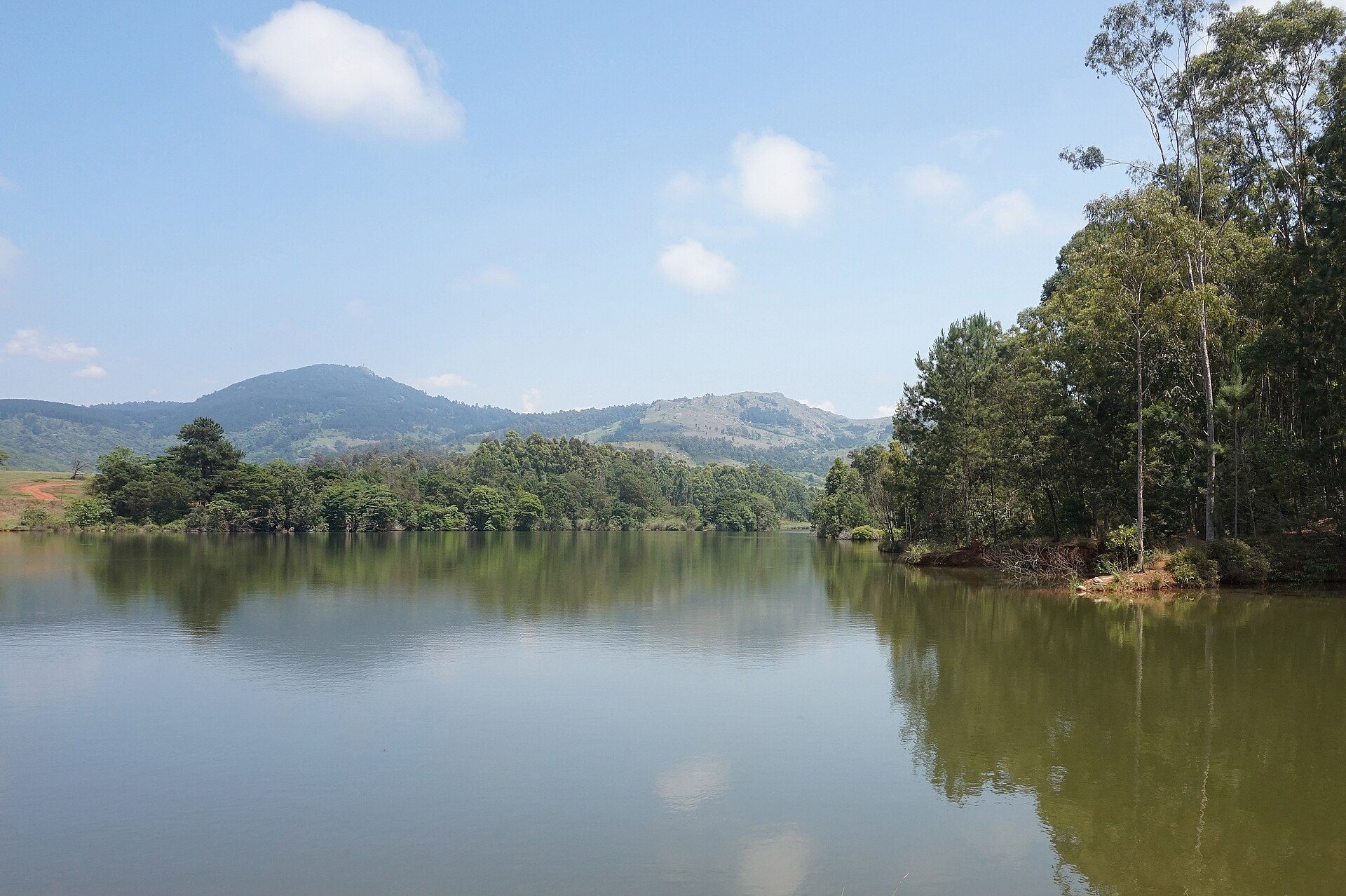
Mlilwane Wildlife Sanctuary is Eswatini’s oldest protected area, established in 1961 on a family farm in the Ezulwini Valley, between the capital Mbabane and the city of Manzini. Covering about 45 km², it stretches from grassy valley floors up to the granite cliffs of the Nyonyane mountain.
The sanctuary was the life’s work of conservationist Ted Reilly, who turned his family’s depleted farm into a refuge for wildlife at a time when much of the country’s game had been hunted out. Mlilwane became the foundation of Eswatini’s conservation movement and is now managed together with Hlane Royal National Park and Mkhaya Game Reserve under the Big Game Parks banner.
Because Mlilwane has no large predators, it is one of the few places in the region where you can explore freely on foot, by bicycle or on horseback. Its easy access, gentle trails and family-friendly atmosphere make it a relaxed introduction to Eswatini, often combined with Hlane and Mkhaya, or with a safari in nearby Kruger.
Much of the sanctuary’s wildlife was reintroduced from elsewhere after the land had been farmed for years. Over the decades, alien plants were cleared and grasslands and wetlands were restored, so Mlilwane is also a living example of how damaged land can be returned to nature.
Wildlife
Mlilwane is home to plains game such as zebra, blue wildebeest, impala, kudu, nyala, blesbok, eland and warthog, which graze close to the rest camp and trails. Hippo and Nile crocodile live in the sanctuary’s dams, and the hippo pool is a popular place to watch them.
Smaller animals include oribi, grey duiker, bushbuck and mongooses, while the forested slopes and grasslands support a good variety of birds. Look out for crowned eagles, African fish eagles, kingfishers, sunbirds and the many waterbirds around the dams.
There are no lions, elephants or leopards, so Mlilwane is not a Big Five reserve, but its relaxed animals allow wonderful close encounters, even on foot.
Key wildlife
Best Time to Visit
Short answer: May–Sep. Also good: Oct–Apr.
Peak Good Quieter
Mlilwane can be visited year-round. The dry winter months, from about May to September, bring clear skies, cool mornings and good game viewing, as grass is shorter and animals are easier to spot.
Summer, from about October to April, is warm and green, with afternoon thunderstorms, newborn animals and the best birding. The higher slopes can be misty at times.
The sanctuary lies in the middleveld, where malaria risk is low. Check current advice with a travel clinic before you travel.
Getting There
Mlilwane is in the Ezulwini Valley, a short drive from Mbabane and Manzini. King Mswati III International Airport (SHO) is about an hour away by road. From Johannesburg, the drive takes about four to five hours via the Oshoek border post, making Mlilwane an easy road-trip stop between Gauteng and the KwaZulu-Natal coast or Kruger.
Self-drive visitors can explore the sanctuary in an ordinary car on most roads. Day visitors can enter from 06:00 to 18:00.
Fees & Access
Entrance fees
Hlane and Mlilwane charge a conservation fee of R95 per person per day (Eswatini lilangeni are accepted at par with the rand). From 1 July 2026 payments at the gates are cashless, by Visa, Mastercard or MTN MoMo, and the SANParks Wild Card is accepted. Activities such as guided walks, drives and rides are charged separately.
The current rates run from 1 December to 30 November, so check for changes from December 2026.
Gate hours
06:00–18:00 (day visitors)
Health
Malaria risk: Low. Ask a travel clinic about antimalarials before you go.
Fees and gate times change. Check the latest rates with the park authority before you travel.
Things to Do
Walking trails range from short strolls to longer hikes up to the Nyonyane peaks.
Mountain biking on graded trails lets you ride among zebra and wildebeest.
Horse riding trips take you through the grasslands for close views of game.
Game drives, including guided drives, explore the sanctuary’s valleys and slopes.
Cultural experiences, such as traditional dancing in the evenings, introduce you to Swazi culture.
Explore Eswatini’s other reserves, such as Hlane and Mkhaya, browse all safaris, or plan your safari with us.
Location
Where is Mlilwane Wildlife Sanctuary?
Good to know
Mlilwane Wildlife Sanctuary FAQs
How much does it cost to enter Mlilwane?
Mlilwane charges a conservation fee of R95 per person per day. From 1 July 2026, gate payments are cashless, and the SANParks Wild Card is accepted.
Can you walk and cycle in Mlilwane?
Yes. Mlilwane has no large predators, so you can explore on foot, by mountain bike or on horseback among zebra, wildebeest and antelope.
Does Mlilwane have the Big Five?
No. There are no lions, elephants or leopards, but plains game, hippo and crocodile are easy to see.
What are the gate times at Mlilwane?
Day visitors can enter from 06:00 to 18:00.
How do you get to Mlilwane?
Mlilwane is in the Ezulwini Valley between Mbabane and Manzini, about an hour from King Mswati III International Airport (SHO) and four to five hours by road from Johannesburg.
Is Mlilwane malaria-free?
Mlilwane lies in the middleveld, where malaria risk is low. Check current advice with a travel clinic before you travel.
Keep exploring
More parks in Eswatini
 National Park
Hlane Royal National Park
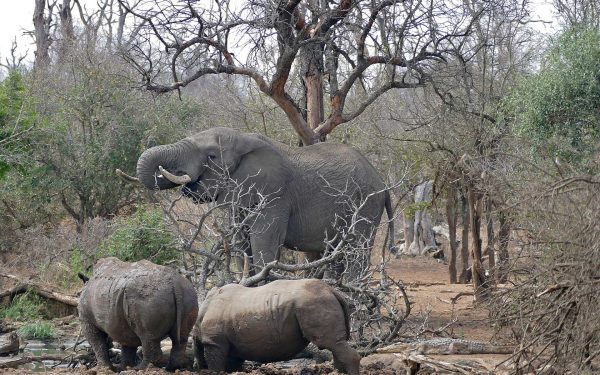
Eswatini's largest protected area with Big Five game viewing including white rhino and elephant.
Explore park →Mkhaya Game Reserve
Eswatini's most exclusive reserve protecting endangered species including black rhino and sable antelope.
Explore park →Begin your journey
Ready to experience Mlilwane Wildlife Sanctuary?
Tell us when you want to travel and what you want to see, and we will match you with the right safari.
Plan your safari