
Safaris
Safaris in Mozambique
We have no itinerary listed for Gorongosa National Park yet. These safaris explore other parts of Mozambique.
Park guide
Gorongosa National Park guide
Overview
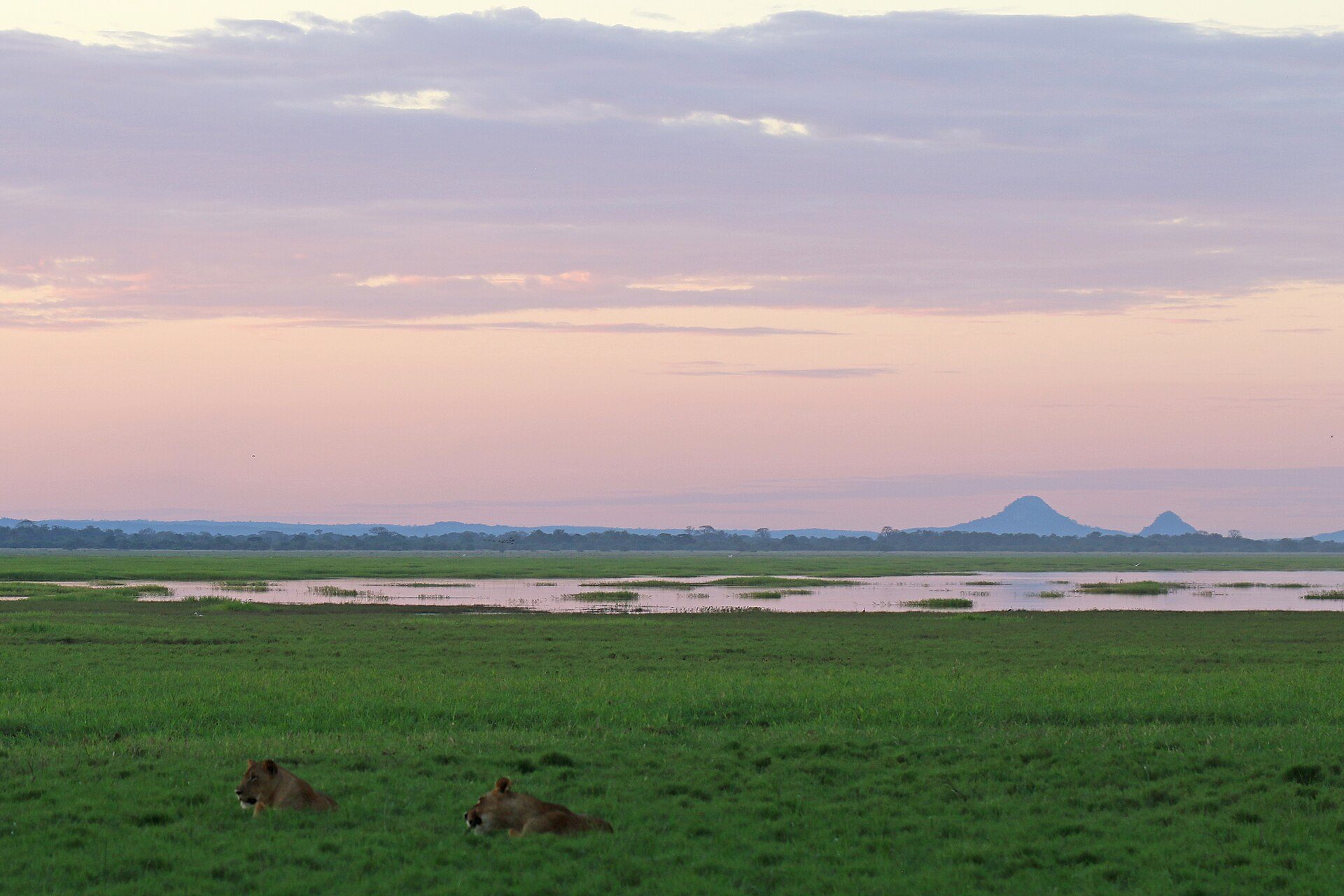
Gorongosa National Park lies at the southern end of the Great Rift Valley in central Mozambique. Covering about 4,000 km² of floodplains, savannah, woodland and forest around Lake Urema, with Mount Gorongosa rising to the west, it is one of the most diverse parks in southern Africa.
First protected as a hunting reserve in 1921 and declared a national park in 1960, Gorongosa was once one of Africa’s great wildlife destinations. During Mozambique’s long civil war, which ended in 1992, the park was badly damaged, and most of its large mammals were killed.
Lake Urema sits at the heart of the park. Each rainy season, rivers flowing from Mount Gorongosa and the surrounding plateaus flood the plains around the lake, and as the waters recede in the dry season they leave behind rich grasslands that sustain huge numbers of grazing animals.
Since 2008, the Mozambican government and the Gorongosa Restoration Project have managed the park together, in one of Africa’s most ambitious conservation recovery efforts. Wildlife has rebounded, with some species reintroduced, and the park supports research, education, health and agriculture programmes in the surrounding communities, including coffee grown on the slopes of Mount Gorongosa.
Wildlife
Gorongosa’s recovery is visible on every game drive. Waterbuck are now extremely numerous on the Urema floodplains, along with oribi, reedbuck, impala, warthog and sable. Elephant numbers are growing, and buffalo, wildebeest, zebra and hippo have returned in good numbers.
Lion have recovered well, African wild dog were reintroduced in 2018, and leopard are present, though still rarely seen. Nile crocodile are common in the lake and rivers. There are no rhino in the park, so it is not a Big Five destination.
Birdlife is outstanding, with around 400 species recorded, from large flocks of waterbirds on Lake Urema to forest species on Mount Gorongosa, which is also home to the rare green-headed oriole.
Key wildlife
Best Time to Visit
Short answer: Jun–Oct. Also good: May, Nov.
Peak Good Quieter
The dry season, from about May to November, is the best time to visit. Water levels drop, vegetation thins and animals gather on the floodplains around Lake Urema, making game viewing easier. Days are warm and nights can be cool in mid-winter.
The rainy season, from about December to April, brings heat, humidity and heavy downpours. Parts of the park may become inaccessible, and some activities may not be available. Check opening dates and activities when planning a visit in the wet season.
Malaria is present, and the risk is highest in the rainy months. Speak to a travel clinic about prevention before you travel.
Getting There
Most visitors fly into Beira Airport (BEW), about three to four hours’ drive from the park on the EN6 and EN1 roads. International connections to Beira are limited, so many travellers connect through Johannesburg or Maputo. Charter flights to the park’s airstrip can also be arranged.
Self-drive game viewing is not currently permitted. Visitors take guided safaris in open vehicles from the park’s main camp, Chitengo, and transfers can be arranged from Beira and other nearby towns.
Before you travel, check your government’s current travel advice for Mozambique, which sets out any areas or routes it advises against.
Fees & Access
Entrance fees
Every visitor pays a daily conservation fee, which funds the park’s rangers and conservation programmes. International adults (18 and over) pay US$30 and children aged 10–17 US$15. SADC residents pay US$15 per adult and US$7.50 per child, and Mozambican citizens 100 meticais per adult. Children under 10 and vehicles are free. Dollar prices may be adjusted for exchange rates.
Self-drive safaris are not currently permitted. Guided game drives, activities and transfers are booked through the park.
Gate hours
6:00 AM - 6:00 PM
Health
Malaria risk: High. Ask a travel clinic about antimalarials before you go.
Fees and gate times change. Check the latest rates with the park authority before you travel.
Things to Do
Guided game drives in open vehicles explore the floodplains and woodlands, with excellent chances of large herds and growing numbers of predators.
Guided walks offer a closer look at the park’s plants, insects and birds.
Canoeing, for those aged 12 and over, is offered on suitable waterways.
The Mount Gorongosa and coffee tour, for those aged 12 and over, visits the community coffee project and the rainforest on the mountain.
Community and conservation visits show how the park works with local people.
Explore other parks in the region, such as the Bazaruto Archipelago, browse all safaris, or plan your safari with us.
Location
Where is Gorongosa National Park?
Good to know
Gorongosa National Park FAQs
How much are Gorongosa National Park fees?
International adults pay a daily conservation fee of US$30 and children aged 10–17 US$15. SADC residents pay US$15 per adult, and children under 10 and vehicles are free.
Can you self-drive in Gorongosa?
No. Self-drive safaris are not currently permitted. Visitors take guided safaris in open vehicles from Chitengo, the park’s main camp.
What happened to Gorongosa’s wildlife?
Most large mammals were killed during Mozambique’s civil war. Since 2008, a long-term restoration partnership has helped wildlife recover, and species such as wild dog have been reintroduced.
When is the best time to visit Gorongosa?
The dry season from about May to November is best, when animals gather on the floodplains around Lake Urema. Parts of the park can be inaccessible in the rainy season.
How do you get to Gorongosa?
Most visitors fly to Beira Airport (BEW), about three to four hours’ drive away, or arrange a charter flight to the park’s airstrip. Check your government’s current travel advice for Mozambique before you travel.
Are children allowed on game drives in Gorongosa?
Children under 10 are not allowed in open safari vehicles, but closed vehicles may be available at extra cost. Canoeing and the coffee tour are for ages 12 and over.
Keep exploring
More parks in Mozambique
 Marine Parks
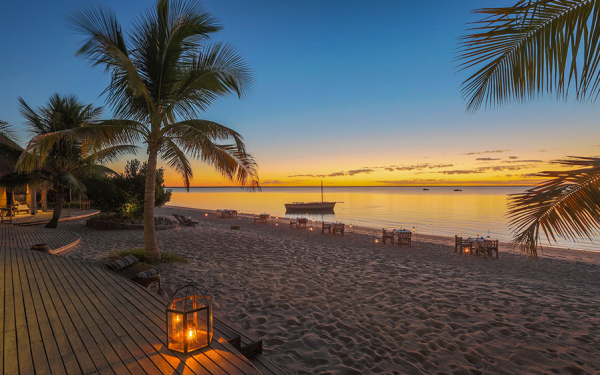
Bazaruto Archipelago National Park
Mozambique's premier marine park — a chain of pristine Indian Ocean islands with coral reefs, dugongs, and whale…
Explore park →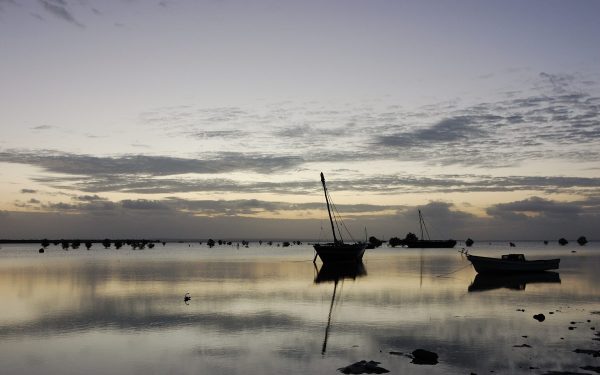 National Park
Quirimbas National Park
A remote northern Mozambique park combining pristine coral archipelago with mainland miombo woodland and coastal forest.
Explore park →Begin your journey
Ready to experience Gorongosa National Park?
Tell us when you want to travel and what you want to see, and we will match you with the right safari.
Plan your safari