
Safaris
Safaris in South Luangwa National Park
We are still adding safaris that include South Luangwa National Park. Tell us your dates and we will suggest a trip.
Plan your safari Browse all safarisPark guide
South Luangwa National Park guide
Overview
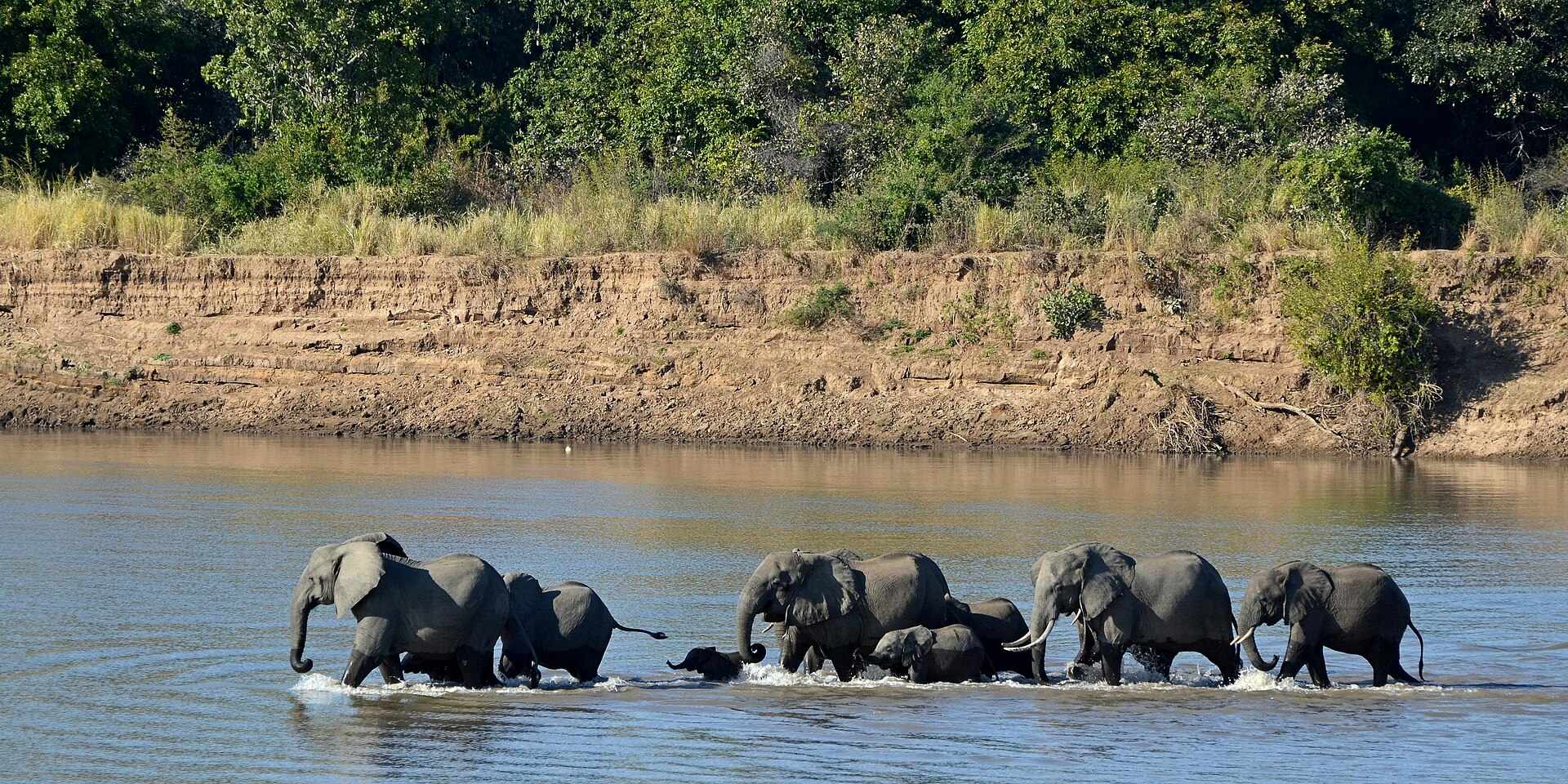
South Luangwa National Park in eastern Zambia is one of Africa’s great wildlife parks and the home of the walking safari. Covering about 9,050 km² of the Luangwa Valley, at the southern end of the Great Rift Valley, it became a national park in 1972 after decades as a game reserve. The Luangwa River winds along its eastern edge, leaving behind oxbow lagoons, sandbanks and grassy floodplains that are fringed by ebony, mahogany, tamarind and sausage trees.
It was here, in the 1950s and 1960s, that the conservationist Norman Carr pioneered guided walking safaris for visitors, an idea that has since spread across Africa. Walking remains at the heart of the South Luangwa experience, and the park’s guides are known as some of the best on the continent.
Most camps and lodges lie in the Mfuwe area and along the river, from intimate bush camps that open only in the dry season to all-year lodges overlooking the water. The far reaches of the park are remote and rarely visited, giving South Luangwa a real sense of wilderness.
The park is unfenced, and wildlife moves freely between it and the surrounding game management areas, where local communities live alongside the animals. Several lodges sit just outside the park boundary on the east bank of the river, and it is not unusual for elephants to wander through camp. Many safari operators in the valley support community projects, schools and anti-poaching work, and the park’s conservation story is closely linked to the people who live around it.
Wildlife
South Luangwa is famous for leopards and is regarded as one of the best places in Africa to see them, especially on night drives, when they hunt along the river and through the woodland. Lion prides are well established, and spotted hyena and African wild dog are also present.
The valley is home to several animals found only in this part of Africa. Thornicroft’s giraffe, a distinctive subspecies, lives almost entirely in the Luangwa Valley, and Cookson’s wildebeest and Crawshay’s zebra are local forms of their species. Puku, an antelope uncommon elsewhere in southern Africa, is abundant on the floodplains.
Herds of elephant and buffalo are common, and the Luangwa River holds large numbers of hippo and Nile crocodile. Kudu, waterbuck, impala, bushbuck and warthog are widespread. Rhino are no longer found in the park, so it is not a Big Five destination.
Birdlife is excellent, with more than 400 species recorded. Highlights include colonies of carmine bee-eaters nesting in the riverbanks from around September, crowned cranes, saddle-billed storks, Lilian’s lovebirds and many raptors. Night drives reveal genets, civets, porcupines, bushbabies and owls.
Key wildlife
Best Time to Visit
Short answer: Jun–Oct. Also good: May, Nov.
Peak Good Quieter
The dry season from June to October is the best time for game viewing. The bush thins, the lagoons shrink, and wildlife gathers along the river. Walking safaris are at their best, and bush camps are open. September and October are hot but offer the most concentrated game viewing of the year.
May and early November are good shoulder months. The rains usually fall from November to March, when the valley turns lush and green, many animals give birth and migratory birds arrive. Some lodges stay open during this “emerald season”, offering boat safaris on the swollen river and lower rates, but many bush camps close and some roads become impassable.
The valley is low-lying and can be very hot from September to November, with daytime temperatures that often exceed 35°C. Mornings and evenings in June and July can be cool, so pack a warm layer for early walks and night drives. Malaria is a risk all year, so take medical advice on prevention before you travel.
Getting There
The gateway is Mfuwe International Airport (MFU), about half an hour’s drive from the main gate at Mfuwe. Scheduled flights link Mfuwe with Lusaka, where there are connections from Johannesburg and other regional hubs. Light-aircraft charters are also available to and from other Zambian parks.
By road, the park can be reached from Lilongwe in Malawi in around five to six hours via Chipata, or from Lusaka in a long day’s drive. Lodges in the Mfuwe area can arrange road transfers, and many itineraries combine South Luangwa with Lower Zambezi National Park or Malawi’s Lake Malawi.
Fees & Access
Entrance fees
Park entry is set by Zambia’s Department of National Parks and Wildlife and charged per person per day, where a day runs from 06:00 to 18:00. International visitors in an operator’s vehicle pay US$25, self-drivers of any nationality US$30, residents and SADC nationals US$20, and Zambian citizens K55.60. Children under 5 are free and younger children pay half. A foreign-registered vehicle under 3 tonnes pays US$15 per day.
Camps inside the park add their own bed-night and community levies, usually included in your rate.
Gate hours
Park day runs 06:00–18:00. Licensed operators may stay out later for night drives.
Health
Malaria risk: High. Ask a travel clinic about antimalarials before you go.
Fees and gate times change. Check the latest rates with the park authority before you travel.
Things to Do
Walking safaris with an expert guide and an armed national parks scout are the signature experience. Walks range from a morning on foot to several days moving between remote bush camps.
Night drives are offered by licensed operators and are one of the best ways to see leopards, as well as nocturnal species such as genets, civets and hyenas.
Day game drives explore the river, lagoons and woodland in search of the valley’s big game.
Photographic hides at some camps overlook lagoons, carmine bee-eater colonies or waterholes for close, eye-level encounters.
Community visits to villages near Mfuwe, often arranged by lodges, are a chance to learn about local life, crafts and the projects supported by tourism.
Boat safaris are offered by some lodges in the emerald season, when the river and lagoons are full.
Combine South Luangwa with Zambia’s Kafue National Park or Malawi’s Liwonde National Park, browse all safaris, or plan your safari with us.
Location
Where is South Luangwa National Park?
Good to know
South Luangwa National Park FAQs
How much are South Luangwa park fees?
International visitors in an operator’s vehicle pay US$25 per person per day, and self-drivers pay US$30. A day runs from 06:00 to 18:00. Children under 5 are free and younger children pay half. Fees are usually included in a lodge package.
When is the best time to visit South Luangwa?
June to October is best, when wildlife gathers along the Luangwa River and walking safaris are at their peak. The green “emerald season” from November to March is lush and quiet, with boat safaris at some lodges, but many bush camps close.
Is South Luangwa good for leopards?
Yes. South Luangwa is regarded as one of the best places in Africa to see leopards, especially on night drives with licensed operators.
Can you do walking safaris in South Luangwa?
Yes. Walking safaris were pioneered here and remain the signature activity. Every walk goes out with a guide and an armed national parks scout, and some camps offer multi-day walking trips.
How do you get to South Luangwa?
Fly to Mfuwe International Airport (MFU), which has scheduled flights from Lusaka and is about half an hour from the main gate. By road it is around five to six hours from Lilongwe in Malawi.
Is South Luangwa a malaria area?
Yes. The Luangwa Valley is low-lying and hot, and malaria is a risk all year, highest in the rainy season. Take medical advice on antimalarials before you travel.
Keep exploring
More parks in Zambia
 National Park
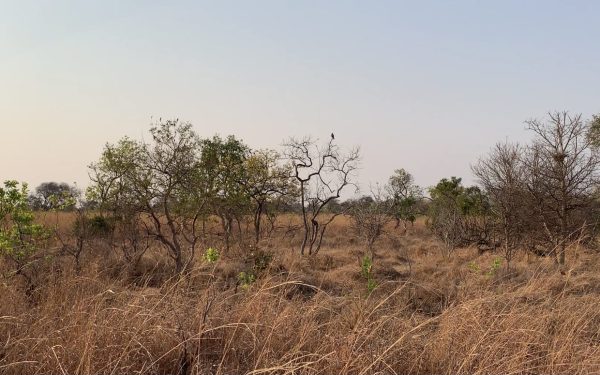
Kafue National Park
Zambia's oldest and largest national park — a vast wilderness of miombo woodland and floodplains teeming with wildlife.
Explore park →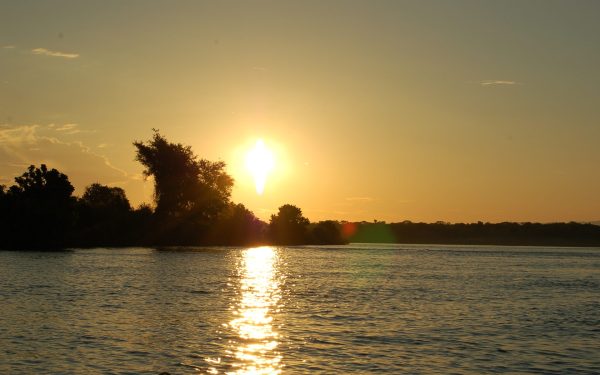 National Park
Lower Zambezi National Park
One of Zambia's finest parks offering canoeing and game drives along the dramatic Zambezi River escarpment.
Explore park →Begin your journey
Ready to experience South Luangwa National Park?
Tell us when you want to travel and what you want to see, and we will match you with the right safari.
Plan your safari