Safaris
Safaris in Namibia
We have no itinerary listed for Skeleton Coast National Park yet. These safaris explore other parts of Namibia.

Park guide
Skeleton Coast National Park guide
Overview
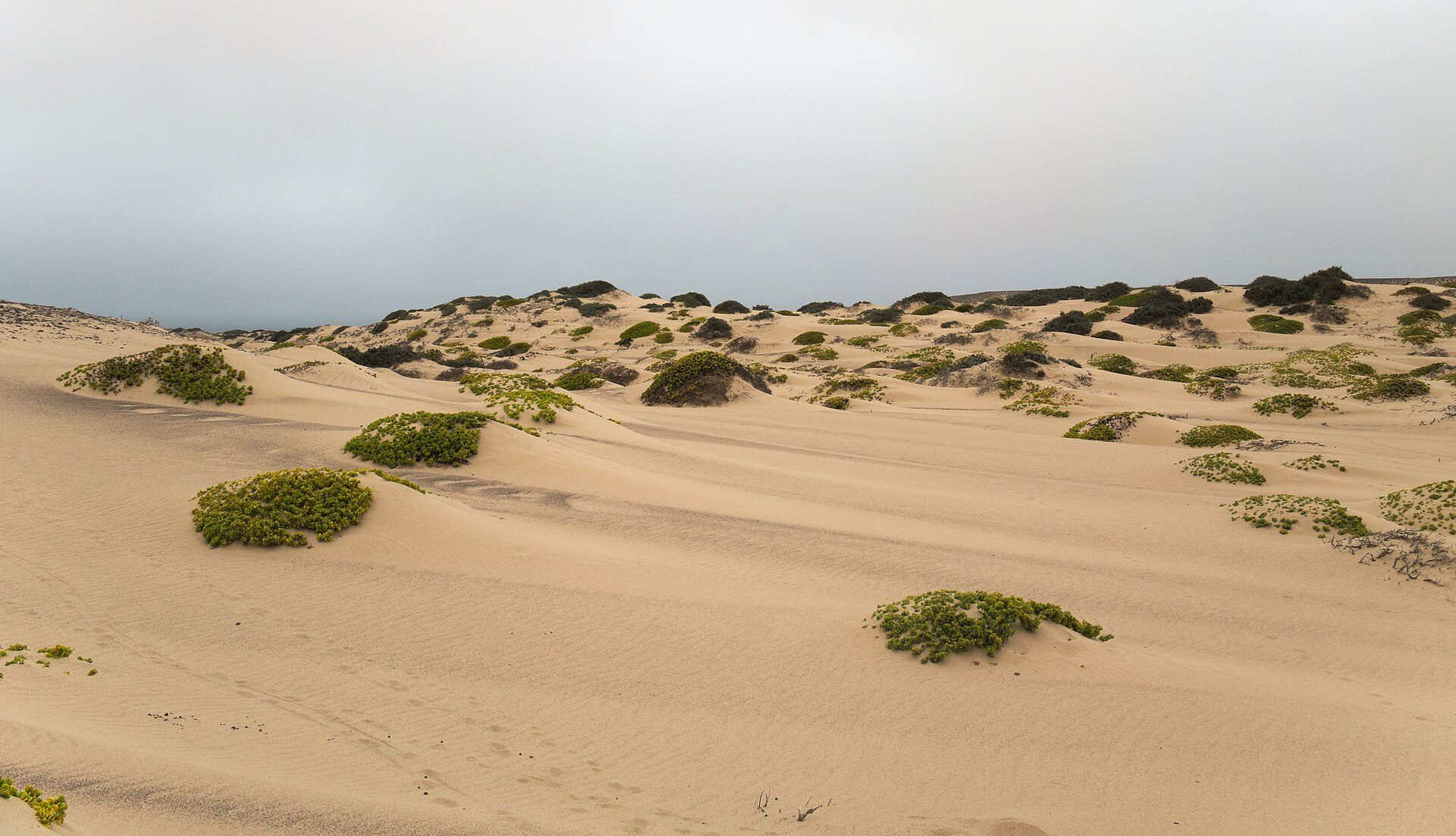
Skeleton Coast National Park stretches along Namibia’s northern Atlantic coast, from the Ugab River in the south to the Kunene River on the Angolan border. Proclaimed in 1971, it protects a narrow strip of desert, dunes, gravel plains and rugged canyons between the cold ocean and the interior of Kaokoland and Damaraland.
The name comes from the whale and seal bones that once littered the beaches and from the many ships wrecked in the thick fog and treacherous currents along this coast. The cold Benguela Current brings fog that drifts inland most mornings, sustaining lichens, beetles and other life in one of the driest places on earth.
The park is divided into two parts. The southern section, between the Ugab and Hoanib rivers, is open to self-drive visitors with a permit and has rest camps at Terrace Bay and Torra Bay. The northern section is a remote wilderness concession that can only be visited on a fly-in safari with the concession operator, which keeps visitor numbers extremely low.
Wildlife
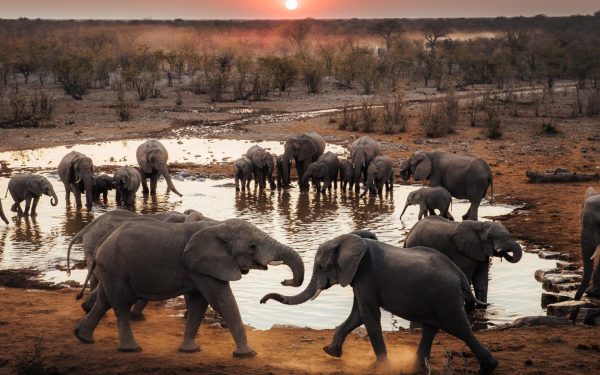
Wildlife on the Skeleton Coast is sparse but remarkable. Desert-adapted lion, brown hyena and black-backed jackal patrol the beaches in search of seals and stranded marine life. Desert-adapted elephants, giraffe, gemsbok and springbok move along the dry riverbeds, such as the Hoanib and Hoarusib, where underground water supports vegetation.
Cape fur seals breed along the coast, and the ocean supports dolphins and seabirds, including cormorants and terns. Smaller creatures, such as the fog-basking beetle, sidewinding adders, geckos and the Namaqua chameleon, show how life adapts to extreme conditions. Wildlife sightings depend on patience and expert guiding, and none of the Big Five apart from elephant and lion are found here.
Key wildlife
Best Time to Visit
Short answer: May–Oct. Also good: Nov–Apr.
Peak Good Quieter
The Skeleton Coast can be visited year-round. The coast is cool and often foggy, especially in the mornings, while temperatures inland can be hot during the day. Strong winds can blow at any time.
The dry winter months, from about May to October, are popular for fly-in safaris and wildlife viewing in the riverbeds. Summer, from about November to April, is warmer inland, with occasional rain far from the coast. Fishing is popular at Terrace Bay and Torra Bay, and Torra Bay is normally open only in the December and January holiday season.
Getting There
The southern section of the park is reached by road from Swakopmund, about three hours away along the coast, through the Ugabmund Gate, or from Damaraland through the Springbokwasser Gate. The gates are open from 07:30 to 19:00. If you are not staying at Terrace Bay or Torra Bay, you need a transit permit for the road between the two gates, and you must enter by 15:00 to leave the park before closing.
International visitors usually arrive at Hosea Kutako International Airport (WDH) near Windhoek. Fly-in safaris to the northern section depart from Windhoek and other centres, often combined with Damaraland and the Kunene region.
Distances are long and services are few, so carry enough fuel, water and supplies, and keep to the designated roads.
Fees & Access
Entrance fees
From 1 April 2026, foreign adults pay N$280 per day (N$140 entry plus N$140 conservation fee). Children aged 9–15 and SADC visitors pay N$180, Namibians N$60, and children aged 8 and under are free. A vehicle with up to ten seats pays N$60 per day. Fees are paid at the gates.
The northern section of the park is a private concession that can only be visited on a fly-in safari, with fees included in the package.
Gate hours
Ugabmund and Springbokwasser gates 07:30–19:00. Without a Terrace Bay or Torra Bay booking, enter by 15:00 on a transit permit.
Health
Malaria risk: Malaria-free.
Fees and gate times change. Check the latest rates with the park authority before you travel.
Things to Do
Fly-in safaris to the northern wilderness offer scenic flights over dunes, shipwrecks and seal colonies, with guided exploration on the ground.
Self-drive journeys through the southern section reveal empty beaches, shipwreck remains and the stark beauty of the desert.
Wildlife tracking in the riverbeds, with an experienced guide, offers the chance to see desert-adapted elephant and lion.
Fishing from the shore at Terrace Bay and Torra Bay is a long-standing tradition for anglers.
Photography is spectacular, with fog-shrouded beaches, rusting wrecks and dramatic dunes.
Explore Namibia’s other parks, such as Damaraland and Etosha, browse all safaris, or plan your safari with us.
Location
Where is Skeleton Coast National Park?
Good to know
Skeleton Coast National Park FAQs
How much does it cost to enter Skeleton Coast National Park?
From 1 April 2026, foreign adults pay N$280 per day, made up of an entry fee and a conservation fee. Children aged 9–15 and SADC visitors pay N$180, Namibians N$60, and a vehicle with up to ten seats N$60.
Can you drive through the Skeleton Coast?
Yes, in the southern section between the Ugabmund and Springbokwasser gates. Without a rest camp booking you need a transit permit and must enter by 15:00. The northern section is fly-in only.
What are the gate times on the Skeleton Coast?
The Ugabmund and Springbokwasser gates are open from 07:30 to 19:00.
What wildlife can you see on the Skeleton Coast?
Desert-adapted lion and elephant, brown hyena, black-backed jackal, Cape fur seals, gemsbok and springbok live along the coast and in the dry riverbeds.
Why is it called the Skeleton Coast?
The name comes from the whale and seal bones once found on its beaches and from the many shipwrecks caused by fog and strong currents.
Is the Skeleton Coast malaria-free?
Yes. The Skeleton Coast is in a malaria-free area. The coast is cool and often foggy, so bring warm layers.
Keep exploring
More parks in Namibia
 Conservancy
Damaraland
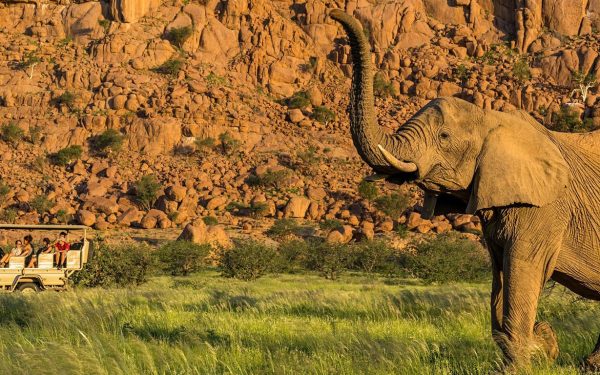
Namibia's dramatic volcanic landscape home to rare desert-adapted elephants and the endangered black rhino.
Explore park →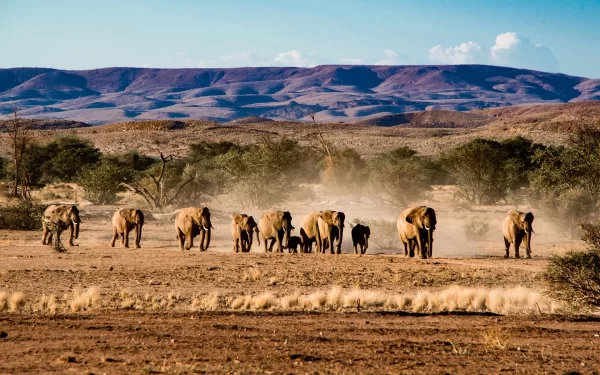 National Park
Etosha National Park
Namibia's premier wildlife destination centred on a vast salt pan visible from space — offering exceptional dry-season game…
Explore park →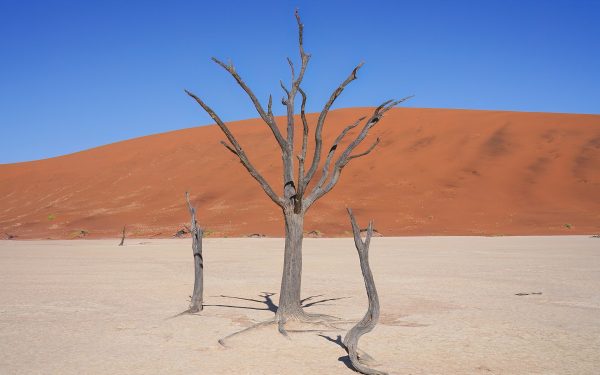 National Park
Sossusvlei and Namib-Naukluft Park
Home to the world's tallest sand dunes and Namibia's most photographed landscapes — a desert wilderness like no…
Explore park →Begin your journey
Ready to experience Skeleton Coast National Park?
Tell us when you want to travel and what you want to see, and we will match you with the right safari.
Plan your safari