
Safaris
Safaris in Majete Wildlife Reserve
We are still adding safaris that include Majete Wildlife Reserve. Tell us your dates and we will suggest a trip.
Plan your safari Browse all safarisPark guide
Majete Wildlife Reserve guide
Overview
Majete Wildlife Reserve lies in the lower Shire Valley of southern Malawi, where the Shire River tumbles through rapids and gorges on its way to the Zambezi. Covering about 700 km² of miombo woodland, hills and riverine forest, it was first protected in 1955.
By the early 2000s, poaching had almost emptied the reserve of large animals. In 2003 African Parks took over its management in partnership with Malawi’s Department of National Parks and Wildlife, and began one of Africa’s most successful restoration projects. The reserve was fenced, law enforcement was rebuilt, and thousands of animals of many species were reintroduced.
The Shire River forms the reserve’s eastern boundary, while the west rises into rugged hills cut by seasonal streams. The reserve’s recovery has also been built around its neighbours: community programmes support education, health, beekeeping and other livelihoods in the villages around the fence, and many of the reserve’s staff come from these communities.
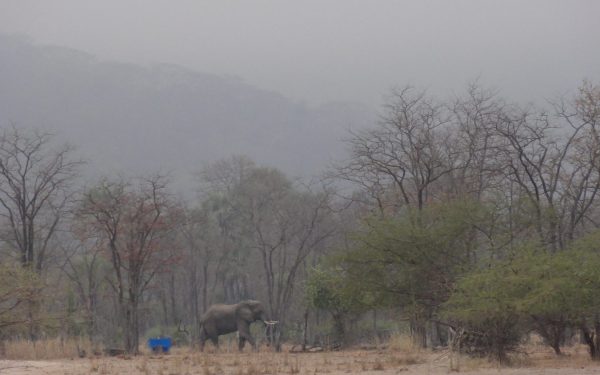
Black rhino returned in 2003, elephant in 2006, leopard in 2011 and lion in 2012, making Majete the first Big Five reserve in Malawi. Today it is a thriving wildlife area, close to Blantyre and an easy addition to a Malawi itinerary with Liwonde National Park and Lake Malawi.
Wildlife
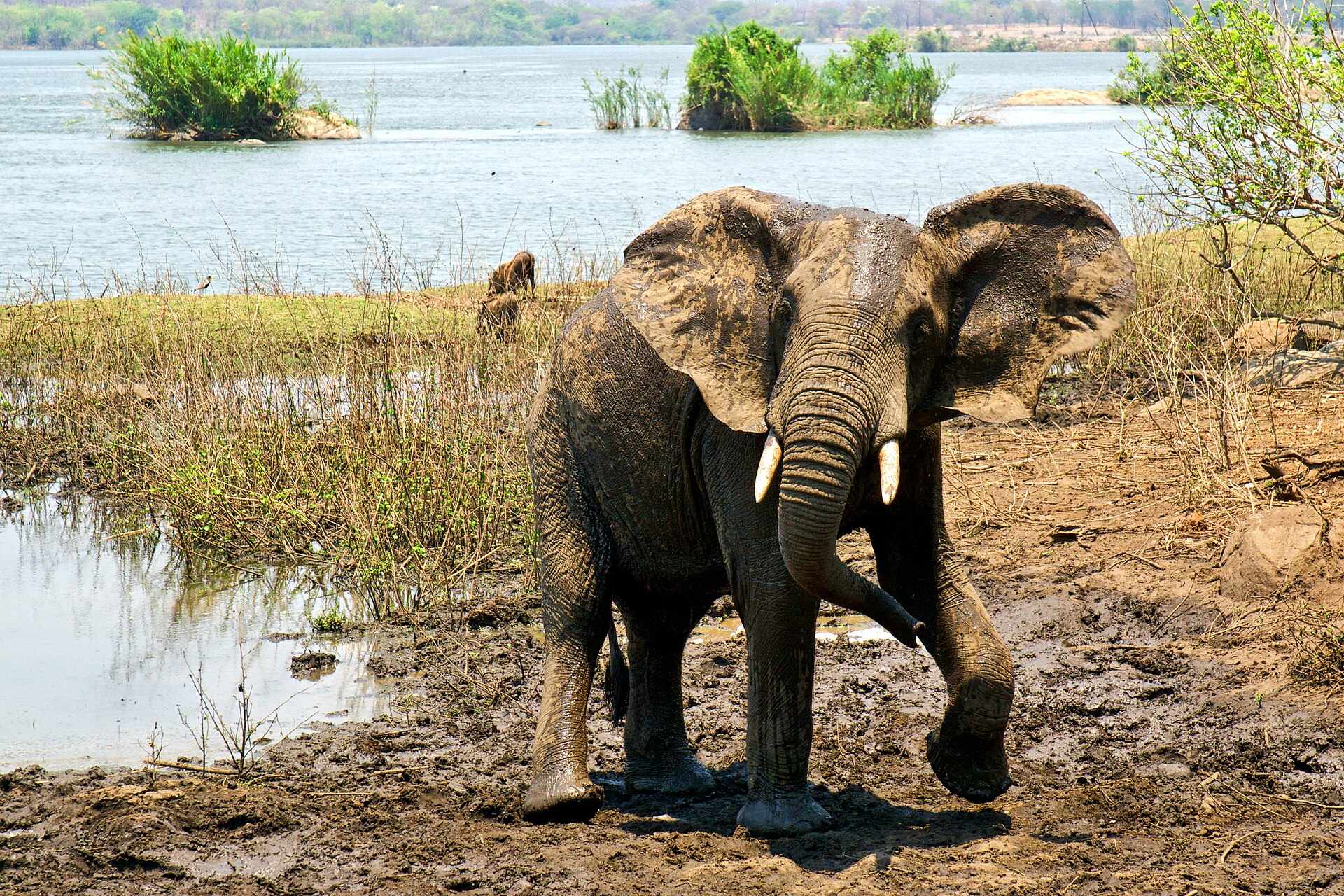
All of the Big Five now live in Majete: elephant, buffalo, lion, leopard and black rhino. Hippo and crocodile are common along the Shire River, and spotted hyena are also present.
Plains game includes sable, eland, kudu, nyala, waterbuck, impala, Lichtenstein’s hartebeest, zebra and warthog. Because the reserve has been restocked relatively recently, wildlife can be shyer than in older parks, but numbers continue to grow.
Birdlife is excellent, with more than 300 species recorded, from Böhm’s bee-eaters and narina trogons in the woodland to African finfoots along the river.
Key wildlife
Best Time to Visit
Short answer: May–Oct. Also good: Apr, Nov.
Peak Good Quieter
The dry season, from about May to October, is the best time for game viewing, as animals gather near water and the vegetation thins. October and November are very hot in the low-lying valley.
The rainy season, from about December to April, brings green landscapes and excellent birding, but some roads may be impassable and wildlife disperses.
The months just after the rains, around April and May, are a good compromise, with green scenery, flowing streams and comfortable temperatures, although tall grass can make game harder to spot.
Malaria is present, so speak to a travel clinic about prevention before you travel.
Getting There
Majete is about one and a half to two hours by road from Chileka International Airport (BLZ) in Blantyre. From Lilongwe, the drive takes about six hours. Charter flights can be arranged to the reserve’s airstrip.
Self-drive visitors can explore the reserve’s road network, which is best tackled in a four-wheel-drive vehicle, especially in the rainy season. Guided activities are run by the reserve and its lodges.
Fees & Access
Entrance fees
International adults pay a conservation fee of US$30 per person per day, plus US$5 per vehicle, on the reserve’s 2026 fee schedule. Reduced rates apply to residents and children. Activities such as game drives, boat trips and walks are charged separately.
Confirm current rates with the reserve before you travel.
Gate hours
6:00 AM - 6:00 PM
Health
Malaria risk: High. Ask a travel clinic about antimalarials before you go.
Fees and gate times change. Check the latest rates with the park authority before you travel.
Things to Do
Game drives, by day and at night, are the best way to look for the Big Five and nocturnal animals.
Boat trips on the Shire River offer close views of hippos, crocodiles and water birds.
Guided walks with experienced scouts introduce you to tracks, plants and smaller creatures.
Kapichira Falls, at the edge of the reserve, is where the Shire River rushes through a series of rapids.
Self-drive and picnics are possible on the reserve’s road network, with designated picnic sites along the river.
Community visits and the reserve’s heritage centre show how conservation benefits the people living around Majete.
Explore Malawi’s other parks, such as Liwonde, browse all safaris, or plan your safari with us.
Location
Where is Majete Wildlife Reserve?
Good to know
Majete Wildlife Reserve FAQs
How much are Majete Wildlife Reserve fees?
On the 2026 schedule, international adults pay a conservation fee of US$30 per day, plus US$5 per vehicle. Activities are charged separately.
Does Majete have the Big Five?
Yes. Black rhino, elephant, leopard and lion were reintroduced between 2003 and 2012, and with buffalo, Majete became Malawi’s first Big Five reserve.
Who manages Majete Wildlife Reserve?
Majete has been managed since 2003 by the conservation organisation African Parks, in partnership with Malawi’s Department of National Parks and Wildlife.
When is the best time to visit Majete?
The dry season from about May to October is best for game viewing. October and November are very hot in the low-lying Shire Valley.
How do you get to Majete?
Majete is about one and a half to two hours by road from Chileka International Airport (BLZ) in Blantyre. Charter flights can also be arranged to the reserve’s airstrip.
Is Majete in a malaria area?
Yes. Malaria is present in the Shire Valley, so speak to a travel clinic about prevention before you travel.
Keep exploring
More parks in Malawi
Begin your journey
Ready to experience Majete Wildlife Reserve?
Tell us when you want to travel and what you want to see, and we will match you with the right safari.
Plan your safari