
Safaris
Safaris in Laikipia Plateau
4 safaris that visit the park.
Park guide
Laikipia Plateau guide
Overview
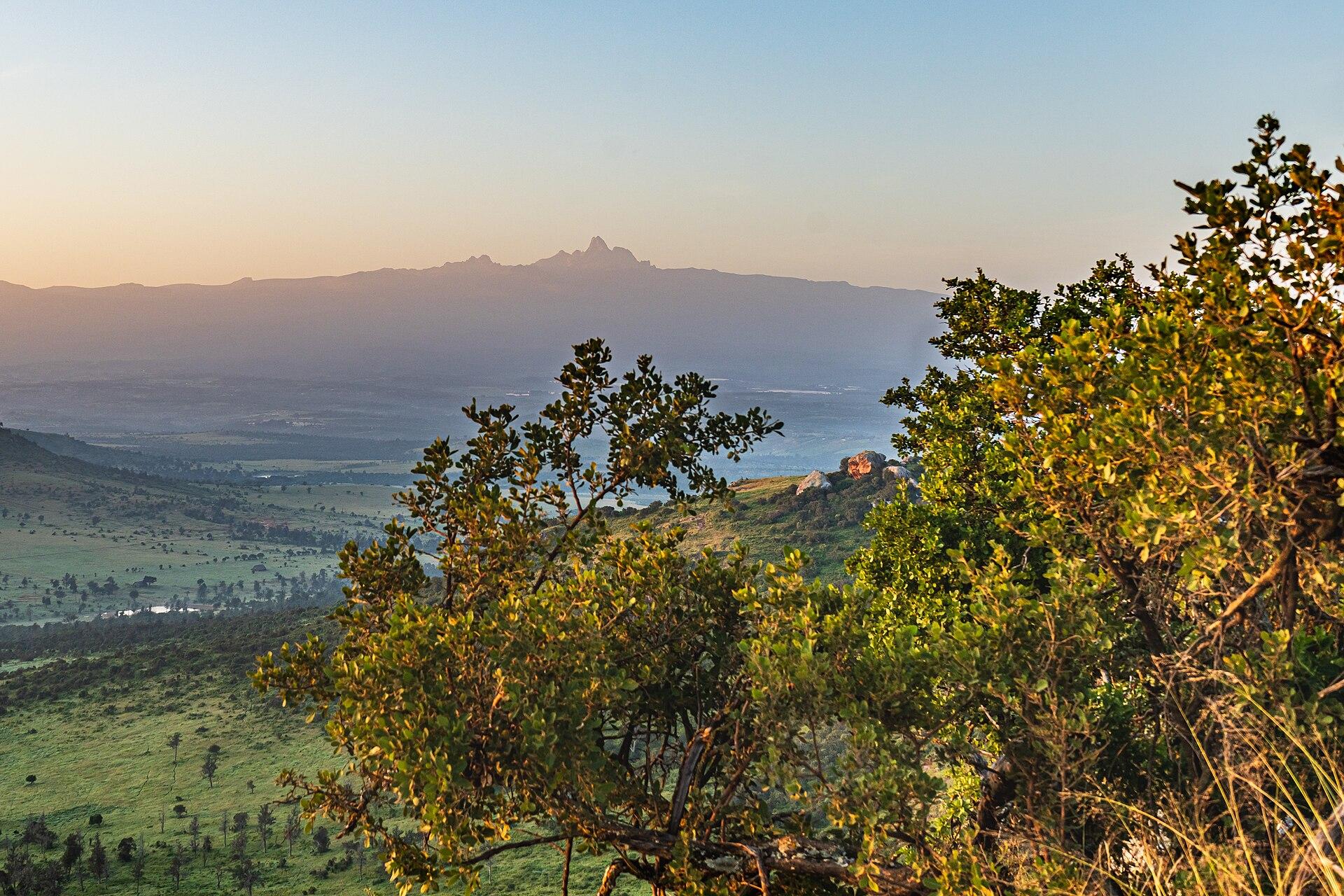
The Laikipia Plateau is a vast region of high plains, rocky hills and river valleys northwest of Mount Kenya in central Kenya. Covering roughly 9,500 km², it is not a single park but a patchwork of private ranches, community conservancies, wildlife sanctuaries and farmland, many of which are managed for wildlife and low-impact tourism.
Laikipia has become one of Kenya’s most important wildlife areas outside the national parks. It supports Kenya’s second-largest elephant population after Tsavo, and it is a stronghold for black rhino, Grevy’s zebra, reticulated giraffe and African wild dog. Much of the plateau was divided into cattle ranches during the twentieth century. Since the 1990s, landowners, communities and conservation organisations have worked together, for example through the Laikipia Wildlife Forum, founded in 1992, to keep the land open for wildlife and to share the benefits of tourism.
Wildlife
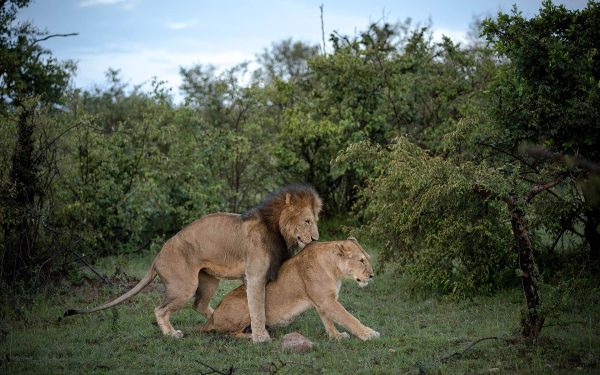
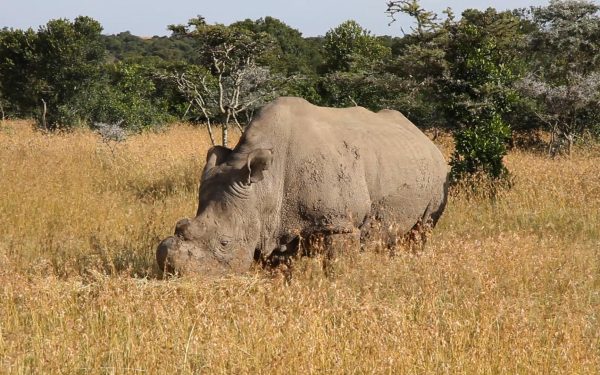
Laikipia supports a remarkable mix of wildlife. Elephant are widespread, and lion, leopard, cheetah, spotted and striped hyena, and African wild dog are all present. Black and white rhino are protected in several fenced sanctuaries, so the Big Five can be seen in parts of the region.
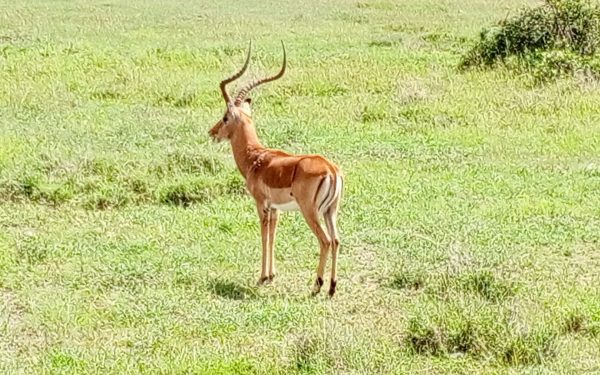
The plateau is also home to northern Kenya specialists, including Grevy’s zebra, reticulated giraffe, Beisa oryx, gerenuk and Jackson’s hartebeest, alongside plains zebra, buffalo, eland and impala. Smaller and nocturnal species, such as aardvark, aardwolf and the rare striped hyena, are often seen on night drives.
Birdlife is varied, with dry-country species in the north and highland birds near Mount Kenya.
Key wildlife
Best Time to Visit
Short answer: Jun–Oct. Also good: Jan–Feb.
Peak Good Quieter
Laikipia can be visited year-round. The dry seasons, from about June to October and from January to February, offer the best game viewing.
The long rains usually fall from around April to May and the short rains in November, bringing green landscapes and good birding. Some camps close for part of the rainy season.
At around 1,700 to 2,000 metres, Laikipia has warm days and cool nights. Malaria risk is low, but speak to a travel clinic before you travel.
Getting There
Scheduled light-aircraft flights from Nairobi’s Wilson Airport serve Nanyuki and other airstrips across the plateau. International visitors usually arrive at Jomo Kenyatta International Airport (NBO).
By road, Nanyuki is about three to four hours from Nairobi, with some properties a further few hours away on rough tracks. Many visitors combine Laikipia with Samburu, to the north.
Before you travel, check your government’s current travel advice for Kenya, which sets out any areas it advises against visiting.
Fees & Access
There is no single entrance fee for Laikipia. Each conservancy or ranch sets its own conservation fee, which is usually charged per person per night and often included in the camp’s rate. For example, Ol Pejeta’s 2026 tariff lists US$110 per non-resident adult per day. Ask your safari planner which fees apply to the properties on your itinerary.
Entrance fees
Laikipia has no single entrance fee. Each conservancy or ranch sets its own conservation fee, usually charged per person per night and often included in the camp’s rate. For example, Ol Pejeta Conservancy’s 2026 tariff lists US$110 per non-resident adult per day. Ask your safari planner which fees apply to the properties on your itinerary.
Gate hours
Varies by conservancy
Health
Malaria risk: Low. Ask a travel clinic about antimalarials before you go.
Fees and gate times change. Check the latest rates with the park authority before you travel.
Things to Do
Game drives, including night drives, are offered on most properties.
Walking safaris, from short walks to multi-day camel-supported journeys, are a Laikipia speciality.
Horse riding among wildlife is offered by several ranches.
Rhino tracking on foot, with expert guides, is available in some sanctuaries.
Cultural visits to Samburu, Maasai and other local communities offer an insight into daily life.
Explore other parks in northern Kenya, such as Samburu and Ol Pejeta, browse all safaris, or plan your safari with us.
Location
Where is Laikipia Plateau?
Good to know
Laikipia Plateau FAQs
Is there an entrance fee for Laikipia?
No single fee applies. Each conservancy or ranch sets its own conservation fee, usually per person per night and often included in your camp’s rate. Ol Pejeta, for example, charges US$110 per non-resident adult per day in 2026.
Can you see the Big Five in Laikipia?
Yes, in parts of the region. Elephant, buffalo, lion and leopard are widespread, and black and white rhino are protected in several fenced sanctuaries.
What makes a Laikipia safari different?
Many properties are private, with few visitors, and offer walking safaris, horse riding, camel safaris and night drives that are not allowed in most national parks.
Is Laikipia good for wild dog?
Laikipia is one of the best areas in Kenya for African wild dog, although packs range widely and sightings are never guaranteed.
How do you get to Laikipia?
Scheduled flights from Nairobi’s Wilson Airport serve Nanyuki and other airstrips. Nanyuki is about three to four hours from Nairobi by road.
When is the best time to visit Laikipia?
The dry seasons from June to October and January to February are best for game viewing. Some camps close during the rains.
Keep exploring
More parks in Kenya
 National Park
Amboseli National Park
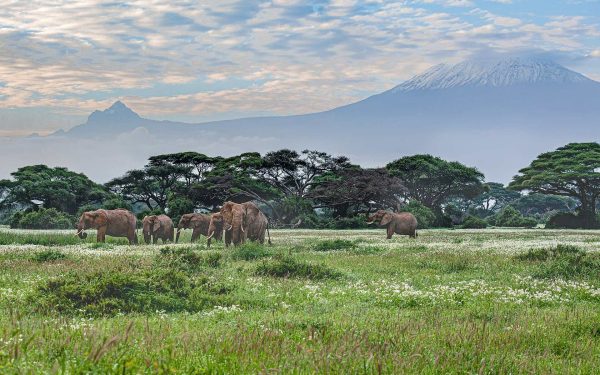
Kenya's iconic park offering unrivalled views of Mount Kilimanjaro as a backdrop to large elephant herds.
Explore park →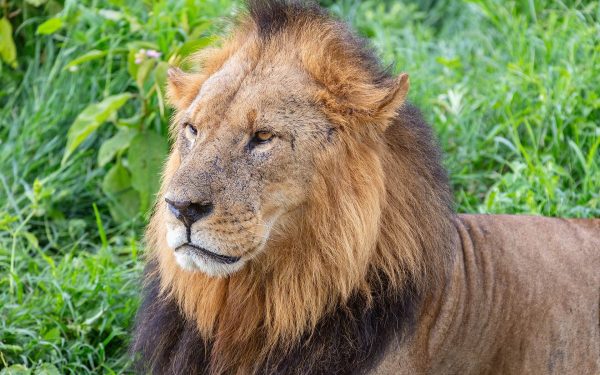 National Park
Lake Nakuru National Park
A compact Kenyan park famous for its flamingo-lined alkaline lake and excellent rhino conservation.
Explore park →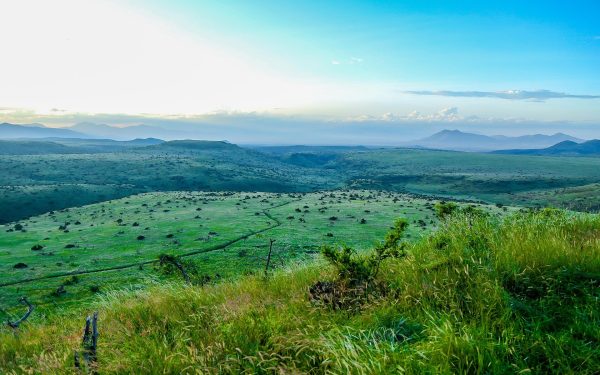 ConservancyBig Five
Lewa Wildlife Conservancy
A pioneering Kenyan conservancy that has become a global model for community-based rhino conservation.
Explore park →Begin your journey
Ready to experience Laikipia Plateau?
Tell us when you want to travel and what you want to see, and we will match you with the right safari.
Plan your safari