
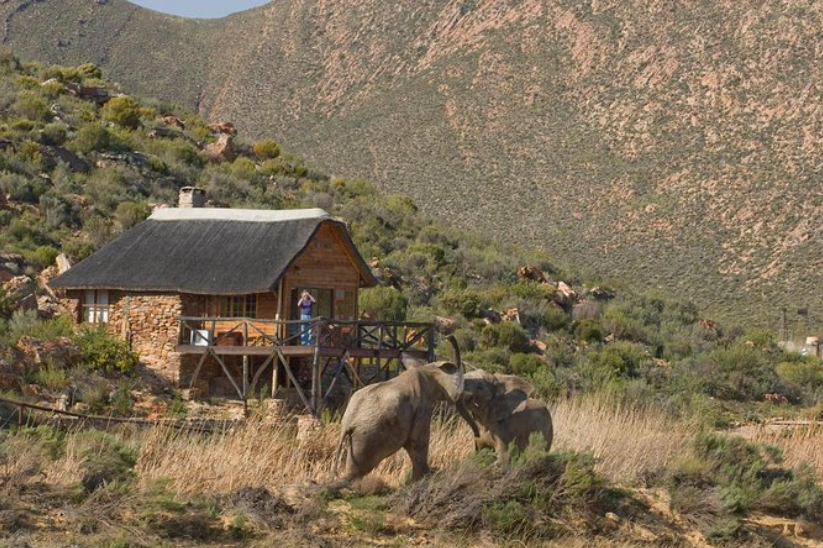
An African safari is one of those rare travel experiences that genuinely changes how you see the world. Watching a leopard descend a marula tree at dusk, hearing a lion’s roar echo across the Serengeti at dawn, or standing in silence as a herd of elephants crosses a riverbed just metres from your vehicle — these are moments that stay with you permanently.
But planning your first safari can feel overwhelming. There are dozens of countries, hundreds of parks, and thousands of lodges to choose from. Prices range from $150 per night to well over $5,000. The dry season is best for game viewing in most countries, but the green season offers better rates and stunning landscapes. And then there’s the question of malaria, visas, vaccinations, and what on earth to pack.
This guide walks you through every decision, step by step, so you can plan a safari that matches your budget, your interests, and the experience you’re hoping for.
How to Choose Your Safari Destination
Africa has more than 50 countries, but the continent’s safari heartland is concentrated in two main regions: East Africa (Kenya, Tanzania, Uganda, Rwanda) and Southern Africa (South Africa, Botswana, Namibia, Zimbabwe, Zambia).
Your choice of destination shapes everything — the wildlife you’ll see, the landscapes around you, and what you’ll pay.
Best Countries for First-Time Safari-Goers
South Africa is widely regarded as the best starting point for first-time safari travellers. Kruger National Park alone is roughly the size of Wales and supports all of the Big Five (lion, leopard, elephant, rhino, and buffalo). The country has excellent road infrastructure, English is widely spoken, and it offers a range of budget levels from self-drive camping at under $50 per day to ultra-luxury private reserves at $2,000+ per night. South Africa is also malaria-free in certain safari regions like Madikwe and the Eastern Cape, making it ideal for families with young children.
Kenya is the classic East African safari destination and home to the Masai Mara, one of the most famous game reserves in the world. The annual Great Wildebeest Migration — when over two million animals cross the Mara River from the Serengeti — is widely considered the greatest wildlife spectacle on earth. Kenya excels at combining safari with beach holidays along the Indian Ocean coast.
Tanzania offers the Serengeti, Ngorongoro Crater, and Tarangire — three of Africa’s most iconic parks. The Ngorongoro Crater is a collapsed volcanic caldera with one of the highest predator densities anywhere on the continent. Tanzania tends to be slightly more expensive than Kenya, but its northern circuit is arguably unmatched for sheer diversity.
Botswana delivers the most exclusive, low-density safari experience in Africa. The Okavango Delta is a UNESCO World Heritage Site and the world’s largest inland delta, where game drives happen alongside mokoro (dugout canoe) excursions. Botswana’s government intentionally limits tourist numbers to protect ecosystems, which keeps quality high but prices steep — expect $500 to $2,500+ per person per night.
Quick Destination Comparison
| Factor | South Africa | Kenya | Tanzania | Botswana |
|---|---|---|---|---|
| Best for | First-timers, families | Great Migration, culture | Serengeti, Ngorongoro | Exclusive, luxury |
| Budget range | $150–$2,000+/night | $300–$1,500+/night | $200–$2,000+/night | $500–$5,000+/night |
| Malaria risk | Low (some areas free) | Present | Present | Present |
| Self-drive option | ✓ Yes (Kruger) | ✗ No | ✗ No | Limited |
| Best months | May – October | Jul – Oct, Jan – Mar | Jun – Oct, Dec – Mar | May – October |
How Much Does an African Safari Cost?
This is the question every first-timer asks, and the honest answer is: it depends enormously on where you go, when you travel, and how you want to experience it.
Safari Price Tiers
Budget safaris range from roughly $125 to $350 per person per night. At this level, expect shared vehicles (typically 6–8 passengers), basic tented camps or camping, and group departures on fixed itineraries. Budget safaris are common in Kenya, Tanzania, and South Africa, and they still deliver outstanding wildlife encounters — the animals don’t care what you paid for your room.
Mid-range safaris sit between $350 and $800 per person per night. This tier offers comfortable lodges, smaller group sizes or private vehicles, quality guiding, and full-board meals. Mid-range is the sweet spot for most first-time safari travellers who want comfort without extravagance.
Luxury safaris range from $800 to $2,500+ per person per night. Private game drives, expert tracker-guide teams, plunge pools overlooking waterholes, gourmet bush dining, and fly-in transfers between camps. At this level, exclusivity and personalisation define the experience.
Ultra-luxury safaris exceed $2,500 per night and can reach $5,000+. These are typically found in Botswana’s Okavango Delta, Tanzania’s remote western parks, and private conservancies in Kenya. Guest numbers are strictly limited, and every detail is curated.
What’s Typically Included
Most safari packages bundle accommodation, all meals, two daily game drives (morning and afternoon), park entrance fees, and transfers between camps. What’s almost always excluded: international flights, visa fees, travel insurance, gratuities, premium drinks, and optional activities like hot air balloon rides or walking safaris.
How to Reduce Costs Without Sacrificing Quality
- Travel in shoulder season (June or November in most destinations) — rates drop 20–30% with near-identical wildlife viewing
- Choose one country rather than combining two — cross-border logistics add significant cost
- Book group departures — shared safaris cost 30–50% less than private ones
- Consider self-drive in South Africa — renting a car and driving through Kruger yourself can bring daily costs under $100
- Book longer trips — per-night rates often decrease on 7+ night itineraries
When Is the Best Time to Go on Safari?
The general rule across most of Africa: the dry season offers the best wildlife viewing. Animals concentrate around shrinking water sources, vegetation thins out for better visibility, and roads are reliably passable.
Southern Africa (South Africa, Botswana, Zimbabwe, Zambia, Namibia)
The dry season runs from roughly May to October. July through September is peak season with the highest wildlife density — but also the highest prices and most visitors. The late dry season (September–October) is excellent for game viewing as conditions are at their driest, though daytime temperatures can exceed 35°C.
The green season (November–April) brings lush landscapes, migratory birds, and newborn animals, but some remote roads become impassable and certain camps close.
East Africa (Kenya, Tanzania, Uganda, Rwanda)
East Africa has two rainy seasons: the long rains (March–May) and the short rains (November–December). The best game viewing windows are January–March and June–October.
The Great Migration follows a cyclical pattern: wildebeest calving happens in the southern Serengeti from January to March, while the famous Mara River crossings occur between July and October in Kenya’s Masai Mara.
Month-by-Month Summary
| Month | Best Destinations | Highlights |
|---|---|---|
| JAN – FEB | Kenya, South Africa, Tanzania | Calving season in the Serengeti, baby animals across Southern Africa, excellent birdlife |
| MAR – MAY | Zimbabwe, Mozambique, Malawi | Green season deals (20–50% off), lush landscapes, fewer crowds, ideal for photographers |
| JUN | Kenya, Botswana, Namibia, Zambia | Dry season begins, excellent value before peak pricing kicks in |
| JUL – AUG ★ | All major destinations | Peak season. Mara River crossings, highest wildlife density, best predator activity |
| SEP | South Africa, Botswana, Tanzania | Late dry season, superb visibility, waterholes at their busiest |
| OCT | Most destinations (except Rwanda) | Transition month, still excellent game viewing, rates starting to drop |
| NOV – DEC | South Africa, Tanzania | Short rains, lower rates, migratory birds arrive, dramatic storm-lit skies |
How to Choose the Right Safari Type
Not all safaris involve sitting in a 4×4. The type of experience you choose shapes the trip as much as the destination itself.
Classic game drives are the standard safari format — morning and evening drives in an open-sided vehicle with a qualified guide. Most parks and reserves offer this, and it’s the most reliable way to see large concentrations of wildlife including predators.
Walking safaris put you on foot in the bush with an armed guide and tracker. The focus shifts from ticking off species to understanding the ecosystem — tracking animal spoor, identifying medicinal plants, and reading the landscape. Zambia’s South Luangwa is considered the birthplace of walking safaris, and it remains one of the best places to experience them.
Mokoro (canoe) safaris are unique to Botswana’s Okavango Delta. You glide through lily-covered channels in a traditional dugout canoe, encountering elephants, hippos, and birdlife at water level. It’s one of the most serene safari experiences available.
Horseback safaris are available in Kenya, Botswana, and South Africa, and offer an exhilarating way to move alongside wildlife without the barrier of a vehicle.
Gorilla trekking in Uganda or Rwanda is a safari experience unto itself. Small groups of eight hikers trek through dense montane forest to spend one hour with a habituated mountain gorilla family. Permits cost $700 in Uganda and $1,500 in Rwanda.
Photographic safaris cater to serious photographers with specially adapted vehicles, expert guides who understand animal behaviour and lighting, and flexible schedules that prioritise shooting conditions over species checklists.
What to Pack for an African Safari
Packing for safari is simpler than most people expect. The key principles: neutral colours (khaki, olive, tan, brown), layers for temperature swings between dawn and midday, and nothing that you’d be upset to get dusty.
Clothing Essentials
- Lightweight long-sleeved shirts (2–3) — sun protection and insect barrier
- Convertible trousers or lightweight chinos (2 pairs)
- A warm fleece or softshell jacket — early morning drives are cold, even in summer
- A wide-brimmed hat with chin strap
- Closed-toe walking shoes or boots
- Sandals for around camp
- A light rain jacket (especially green season)
Avoid bright white, blue, or black clothing — white attracts tsetse flies in certain regions, blue attracts mosquitoes, and black absorbs heat.
Gear and Accessories
- Binoculars — arguably the single most important piece of safari gear. An 8×42 or 10×42 pair strikes the best balance between magnification and weight
- Camera with a zoom lens — a 100–400mm range covers most safari photography needs. Smartphone cameras have improved dramatically but still struggle at distance
- Headlamp or torch — camps are often unlit at night
- Sunscreen and lip balm (SPF 50+)
- Insect repellent containing DEET (30–50%)
- Reusable water bottle
- Power bank — charging opportunities can be limited at remote camps
- Dust-proof bag for camera gear
Medical Kit
- Anti-malarial medication (consult your travel doctor at least 6 weeks before departure)
- Antihistamines
- Rehydration salts
- Basic first aid: plasters, antiseptic, painkillers
- Any personal prescription medications in original packaging
Health, Safety, and Vaccinations
Vaccinations
Most safari destinations recommend or require the following vaccines. Consult a travel health clinic at least 6–8 weeks before your trip:
- Yellow fever — required for entry into Kenya, Tanzania, Uganda, Rwanda, and Zambia (if arriving from an endemic country)
- Hepatitis A and B
- Typhoid
- Tetanus/diphtheria (ensure your booster is current)
- Rabies (recommended for remote areas)
Malaria
Malaria is present in most safari destinations across East and Southern Africa. The Anopheles mosquito that carries the parasite is most active between dusk and dawn. Prevention involves three layers: prophylactic medication (Malarone, doxycycline, or mefloquine), insect repellent, and covering exposed skin in the evenings.
Some South African reserves — notably Madikwe, Pilanesberg, and the Eastern Cape — are malaria-free, which is a significant advantage for families and travellers who prefer to avoid antimalarials.
Travel Insurance
Never travel on safari without comprehensive travel insurance that includes medical evacuation. Safari camps are often hours from the nearest hospital, and emergency air evacuation can cost $30,000–$50,000 without coverage. Ensure your policy explicitly covers adventure activities if you plan walking safaris, horseback riding, or gorilla trekking.
How to Book Your Safari
Through a Specialist Tour Operator
The most reliable approach for first-timers. Reputable safari specialists like Go2Africa, SafariNow, and GetYourGuide handle logistics end to end — flights, transfers, accommodation, and activities — and their on-the-ground knowledge is invaluable for matching parks and lodges to your interests.
Through an Online Booking Platform
Platforms like Viator and Booking.com offer pre-packaged safari itineraries that work well for travellers who want simplicity. These tend to be more standardised than bespoke operator trips, but pricing is transparent and reviews from previous guests help set expectations.
Self-Planned
Experienced travellers can book directly with lodges and camps, arrange their own vehicle hire (in South Africa), and build custom itineraries. This approach offers maximum flexibility and can save money, but requires significant research and comfort with African travel logistics.
Booking Tips
- Book 6–12 months ahead for peak season (July–October) — top camps sell out early
- 3–6 months is usually sufficient for shoulder and green season
- Read recent reviews — safari quality varies widely even within the same price bracket
- Ask what’s included and excluded — hidden extras like conservation levies, community fees, and laundry charges can add up
- Confirm cancellation policies — especially important in the post-pandemic era
Your First Safari Day: What to Expect
Most safaris follow a similar rhythm. You’ll wake before dawn — typically around 4:30–5:00 AM — for a light coffee and rusk before heading out on the morning game drive. The first two hours after sunrise are when predators are most active, the light is golden, and the bush feels most alive.
You’ll return to camp mid-morning for a full breakfast, then have several hours to relax, swim, read, or join an optional activity like a bush walk or cultural visit. The afternoon game drive departs around 3:30–4:00 PM and runs through sunset, often pausing for a “sundowner” — drinks in the bush as the sky turns amber.
Dinner is typically communal, served around a long table or a boma (open-air enclosure) with a fire. Your guide may recap the day’s sightings and brief you on the next morning’s plan.
The first time you hear a hyena whooping in the darkness outside your tent, or spot the Southern Cross hanging impossibly bright above you, you’ll understand why people come back to the African bush again and again.
Frequently Asked Questions
Is an African safari safe?
Yes. Reputable safari operators maintain strict safety protocols, and camps in national parks and private reserves are well-managed environments. The most common risks — sunburn, dehydration, and mosquito bites — are easily prevented with basic precautions.
How many days do I need for a safari?
A minimum of three nights in a single location gives you a solid safari experience. Five to seven nights allows you to visit two or more areas and see a greater diversity of habitats. Ten or more nights is ideal for a multi-destination trip combining, for example, the Serengeti with Zanzibar or Kruger with Cape Town.
Can I take children on safari?
Absolutely. South Africa is the most family-friendly destination — many lodges accept children of all ages and offer dedicated kids’ programmes. In East Africa and Botswana, many camps have minimum age requirements (often 6, 8, or 12 years) due to the open nature of the vehicles and proximity to wildlife.
Do I need a visa?
Requirements vary by nationality and destination. South Africa, Kenya, and Tanzania offer visa-on-arrival or e-visa options for most nationalities. Always check your specific requirements at least 8 weeks before departure and ensure your passport is valid for at least 6 months beyond your travel date.
What currency should I bring?
US dollars are widely accepted across East and Southern Africa for tipping, small purchases, and paying for optional activities. Carry small denominations ($1, $5, $10, $20) as change can be difficult. Most lodges and camps accept credit cards, but remote bush camps may not.
How much should I tip on safari?
Tipping guidelines vary by country and lodge, but a general benchmark is $10–$20 per person per day for your guide and $5–$10 per person per day for general camp staff. Your lodge will usually provide specific guidelines on arrival.
Planning your first African safari? Browse our curated collection of safari experiences across 34 African countries, compare luxury lodges and camps, or explore parks and reserves to find your perfect destination.
